Ladies' comics (redikomi)
✎ 本文編集 (admin) 🖼 画像編集 (admin)“Ladies' comics (redikomi)” works on DLsite
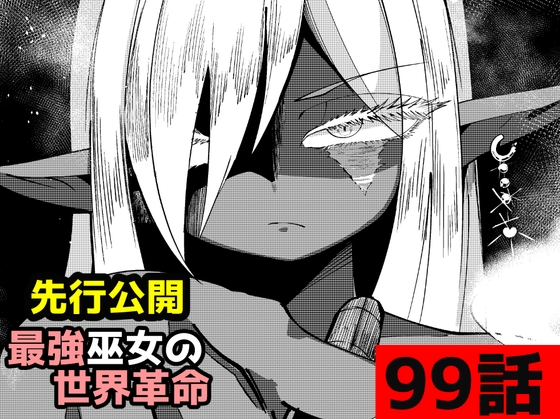
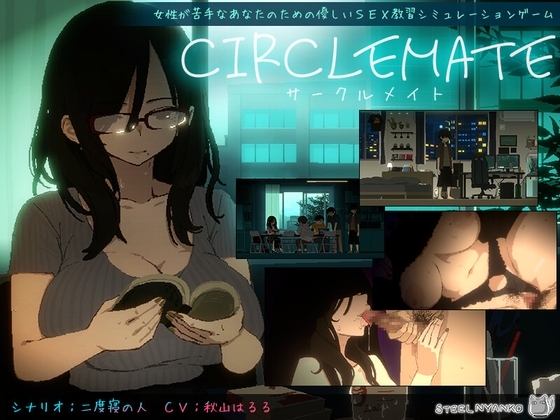
A corner of the convenience store, beside the women’s-magazine rack, a thin manga magazine stands out with a pink logo and an image of a man and woman entwined. The buyer is often not a woman in her twenties but a housewife in her thirties to fifties carrying a shopping bag. Ladies’ comics (redikomi) is the umbrella term for the women-oriented manga genre, including sexual depiction, aimed at housewives and working women aged thirty and over, a field weighted toward an older age and life-stage than teens’ love (TL).
Overview
The readership skews toward women who have already experienced or are facing the life phases of marriage, childbirth, child-rearing, work, and caregiving. The protagonists are correspondingly set in their late twenties to forties, and the themes broaden to life-bound matters: adultery, a husband’s affair, marital weariness, workplace relations, economic hardship. Representative labels include Bunkasha’s “comic Ureshino,” the Harlequin Comics line, Cosmic Publishing, Ozora Shuppan’s “Love Silky,” and Akita Shoten’s “for Lady.” Convenience-store distribution (the adult-magazine corners of Lawson, Seven-Eleven, and others) and electronic distribution on Comic Cmoa and Mecha Comic have been the two main sales routes.
Etymology and classification
“Ladies’ comics” is a designation the publishing industry began to use in the 1980s for adult manga for women, established to distinguish an older, married, and experienced readership from girls’ manga (for teen women) and teens’ love (for women in their twenties). Whether “ladies comic” carries the same sense in English is a separate matter; it is settled as Japanese-coined English.
History
Ladies’ comics arose from two lines: the women’s manga magazines such as Kodansha’s BE-LOVE (from 1980), and the adult labels of Bunkasha, Akita Shoten, Ozora Shuppan, and Daitosha carrying more direct sexual depiction. In the late 1980s several magazines targeting housewife readers launched, standardising work on adultery, workplace romance, and marital sexual dissatisfaction. The 1990s were the golden age: titles such as Daitosha’s eYe’s, Bunkasha’s comic Ureshino and Comic Lunatic, and Ozora Shuppan’s Comic Parfait held steady high sales, the bond with the convenience-store distribution network being the key to expansion, establishing a route by which women could buy them in the course of everyday shopping. In the 2000s, alongside the slump of women’s magazines generally, the print side contracted and the shift to electronic platforms advanced; Comic Cmoa (NTT Solmare) and Mecha Comic (Amutus) became the main electronic channels, and the field was rebuilt as a searchable digital archive including back titles hard to obtain in print.
Style and contrast with TL
The greatest difference from TL is the non-fantasy nature of the male lead. Against TL’s romance-novel types (the heir, the conglomerate scion, the arrogant younger man), the redikomi partner is often a person who could exist in real life, a company colleague, a superior, a neighbour, the husband’s friend, a delivery driver, or the husband himself. The realism of body depiction is also higher than TL, with the aged body, the body after childbirth, and a protagonist feeling weariness in marriage placed at the core. Adultery and deviation on the extension of daily life, “a married woman swept up by a man she meets again at a reunion,” “a wife worn out by child-rearing having a relationship with a delivery driver,” form the genre’s typical stories.
Reception: vicarious deviation
Many redikomi readers, without acting on adultery or deviation in reality, experience vicariously, within the story, the option they did not cross. The structure has a heroine in the panels carry out, in proxy, the desire suppressed in the routine of housework, child-rearing, and work; the act of throwing the work away or hiding it in a drawer after reading completes the genre’s mode of consumption. Together with married-woman AV and the erotic novel, it is a distinctively Japanese mature genre that women established as consumers in their own right.
Related terms
Updated
References
- 『Adult Manga: Culture and Power in Contemporary Japanese Society』 Curzon Press (2000)
- 『Manga! Manga! The World of Japanese Comics』 Kodansha International (1983)
- 『Reading Japan Cool: Patterns of Manga Literacy and Discourse』 Lexington Books (2009)
Also known as
- redikomi
- adult comics for women
- women's erotic manga
- ja: レディースコミック
Related
- Boyfriend Roleplay Audio
- Adult digital comics and novels (Japan)
- TL Manga (Teen's Love)
- Ikemen Worship
- Naked apron (hadaka apron)
- Ecchi (Japanese Softcore Erotic Genre)
- Hana to Hebi (Flower and Snake)
- Haramase-mono (impregnation genre)
- Idol-producer theme (J-adult media)
- Sacrificial-victim genre (J-hentai)
- Training/development eroge
- Illustration collection (doujin art book)