Adult digital comics and novels (Japan)
✎ 本文編集 (admin) 🖼 画像編集 (admin)“Adult digital comics and novels (Japan)” works on DLsite



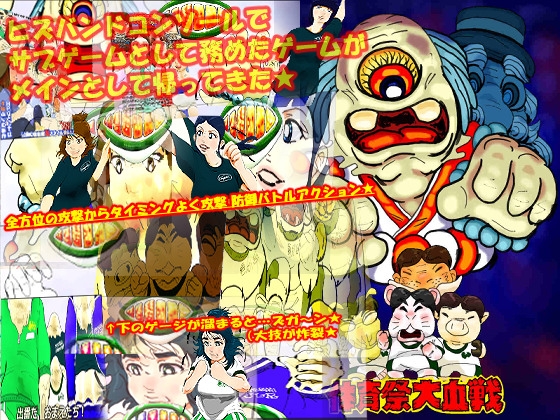
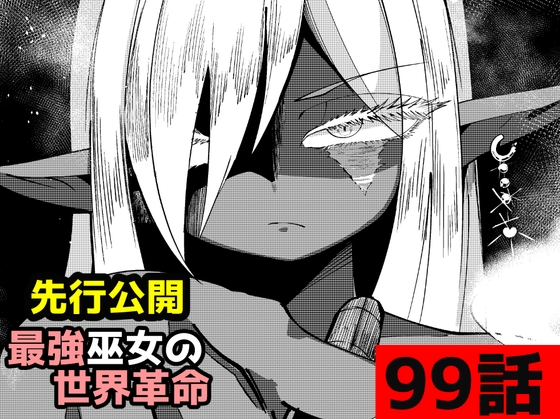
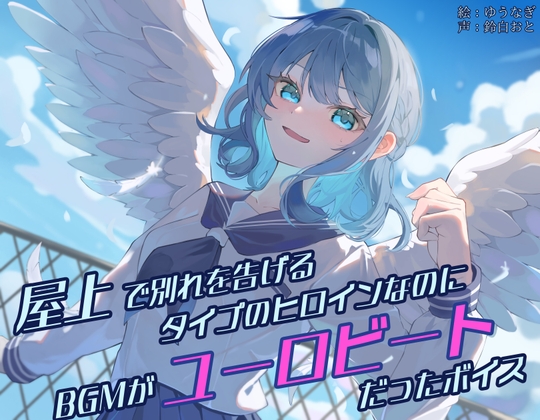
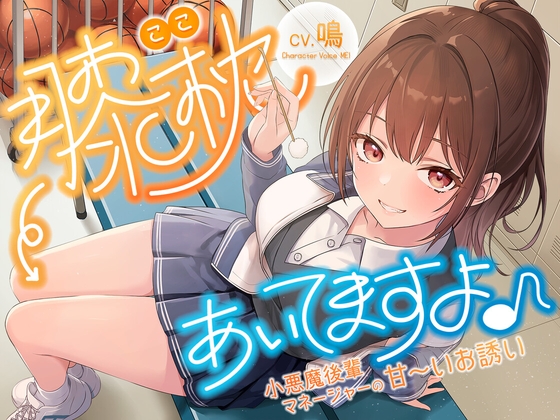
The train carriage holds a smartphone in portrait orientation, and on the screen a man and a woman are embracing. The reader does not need to bring the book to a checkout counter, does not need to hide the cover from view at the till, does not need to find a place to keep it where family will not find it. Adult digital books (Japanese: エロ電子書籍, ero-denshi-shoseki) is the umbrella term for sexually explicit manga, novels, and photo collections distributed through electronic e-book platforms, and the category has been the dominant distribution form for adult publishing in Japan since the mid-2010s.
Overview
Adult digital books cover the electronic distribution of explicit manga, erotic novels, and other print-derived adult content. Readers access the works through dedicated apps and web browsers, with purchase, reading, and cross-device synchronisation handled through the platform’s account system.
The principal platforms are Comic Cmoa (NTT Solmare), Mechacomic (Amtus), FANZA Books, Renta! (Papyless), eBookJapan, Manga Oukoku, Amazon Kindle, and Rakuten Kobo. The platforms differentiate by catalogue breadth, free-sample policy, and platform-internal recommendation algorithms; the first four operate dedicated adult content sections at scale, while Kindle and Kobo handle adult content within their general catalogue under separate adult-content controls.
Distribution characteristics
Tag-based discovery
E-book platforms support fast tag-based and faceted search across genre, scenario, character attribute, and author. Categorical filters by “married woman”, “netorare”, “kyonyuu”, or “yandere” allow readers to navigate to specific subgenres in a way that the physical bookshop, with its constrained shelving and limited adult-zone footprint, could not support.
Free samples and serial publishing
Each platform deploys a series of access incentives: free first-1-to-3-chapters, one-free-chapter-per-day, time-limited full-title free access. Mechacomic and Comic Cmoa in particular operate on a free-chapter-led model, drawing readers in through unpaid material and converting them to paid single-chapter or per-chapter purchases. The business model has produced a substantially different revenue structure from the print-volume sales it succeeds.
Vertical scrolling and smartphone optimisation
The Korean-origin webtoon format (full-vertical scroll, full colour) has expanded into adult content in recent years. Piccoma, LINE Manga, and Comico host webtoon-format R-18-adjacent works as a distinct sub-segment from the conventional double-page panel-layout manga, and TL manga in particular has shifted substantially toward the webtoon format.
History
Early period (late 2000s)
E-book distribution opened on PCs in the late 2000s. File-format fragmentation (PDF, proprietary viewer formats, label-specific containers) and clumsy DRM held adoption to a marginal segment. Comic Cmoa launched in 2004 and Renta! in 2007 as the earliest of the surviving platforms.
Smartphone shift (2010s)
The iPhone and Android adoption of the early 2010s opened the smartphone as a comfortable adult e-book reading device. Privacy (no family or housemate exposure), discoverability, immediate purchase-and-read, and the absence of cover-hiding concerns all combined to give the digital channel structural advantages over print, and the adult-manga sub-market shifted its centre of gravity to digital across the decade.
Print-to-digital transition (2015 onward)
From 2015, the adult manga print magazines began closing one after another, with the Core Magazine line, the Wani Magazine line, and the Media Ax adult line all running through a similar trajectory of paper closure and digital continuation. Digital-original editorial lines expanded, and the segment of “available only in digital, no print equivalent” works consolidated as a recognised category.
Payment regulation and editorial constraint
International payment processors (Visa, Mastercard, PayPal) have increased pressure on adult-content publishing platforms through the 2020s. Specific content classes (incest, particular violence configurations, age-presentation conventions) have seen platform-side delisting and removal action; authors and labels have responded with editorial adjustment, substitute renderings, and title alteration.
The platforms that operate dedicated adult-content focus with their own payment infrastructure (notably FANZA Books with the DMM Prepaid Point system) retain comparatively wider editorial scope than the platforms dependent on international payment processors, though even the dedicated-payment platforms have responded to processor pressure in some categories.
Reception and reader composition
Adult digital books support both the male-reader-centred eromanga market and the female-reader-centred TL and ladies’ comics markets. The female-reader e-book market has reached a scale exceeding the print-era equivalent, and the Comic Cmoa and Mechacomic bestseller charts run substantially on TL and ladies’ comics output.
The privacy and portability of the smartphone removed the principal market-entry barriers for female readers, whose access to physical adult bookshops had been substantially more constrained than that of male readers. The audience expansion has reshaped the wider Japanese adult publishing market.
See also
Updated
References
- 『Electronic Publishing Business Survey Report』 Impress Research — Annual publication
- 『Adult Manga: Culture and Power in Contemporary Japanese Society』 Curzon Press (2000)
- 『Erotic Comics in Japan: An Introduction to Eromanga』 Amsterdam University Press (2021)
Also known as
- ero-denshi-shoseki
- adult e-book Japan
- R-18 digital comics
- ja: エロ電子書籍