Sacrificial-victim genre (J-hentai)
✎ 本文編集 (admin) 🖼 画像編集 (admin)“Sacrificial-victim genre (J-hentai)” works on DLsite
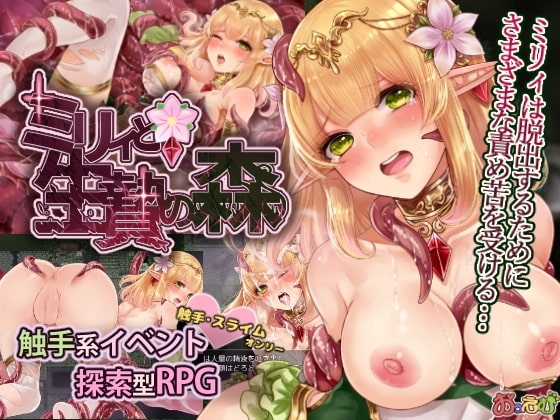
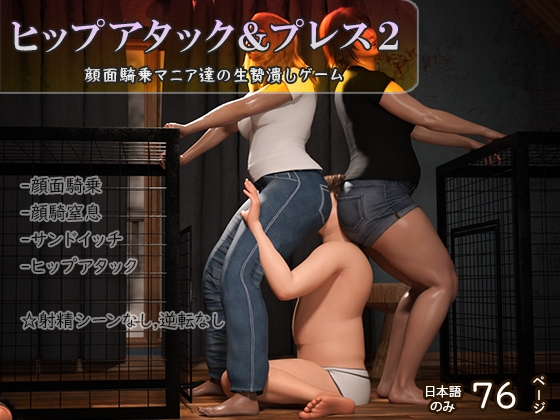
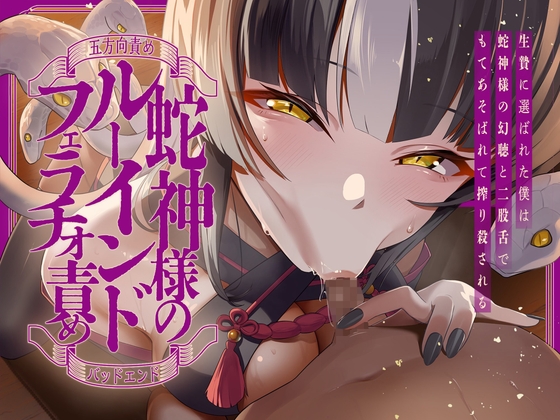
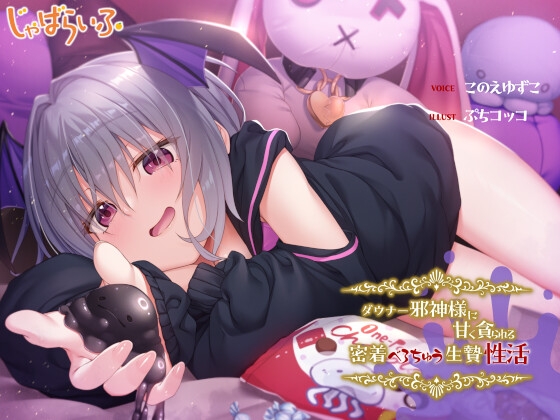
The cold of the altar stone clings to her back; her hands and feet are fixed with thick rope. The villagers stand in an expressionless ring, waiting for the moon to reach its zenith. As the elder announces that “the god is descending,” something long and wet stretches out of the dark and lifts the hem of the white vestment. The sacrificial-victim genre is the umbrella term for adult fiction taking as its subject a human (chiefly a girl, shrine maiden, or virgin) offered to a god, monster, or village rite, a sub-genre that layers ritual and sexual contact.
Overview
The genre sits at the crossing of the fantasy genre, tentacle works, and the violation type. Settings favour ancient villages, otherworlds, mystic rites, sealed gods, and underground labyrinths, and the victim is written into the story as a shrine maiden, priestess, or chosen maiden. Sexual contact is depicted with a function: an offering to a god, the breaking of a seal, the price of a contract, the continuation of a bloodline. The chief carriers are eroge, eromanga, adult light novels, and doujin audio, with simulation works from Illusion, fantasy RPGs from the Lilith line of brands, and one-off shorts by eromanga artists supplied continually. All characters are fictional adults, and the genre is treated purely as a creative type.
Core structure: the ritual licenses transgression
The genre’s core is a structure in which the framework of ritual “justifies” sexual transgression. Contact impermissible in daily life is, once given the context of an offering to a god, the fulfilment of a contract, or village tradition, carried out regardless of the victim’s will. The victim may show revulsion, or may adapt by “accepting it as a role.” However the surface emotions transform, the ritual itself does not stop. This structure does not affirm real-world violence; it is a narrative device that functions precisely because it is fiction. The absoluteness of the rite, a power beyond the individual’s will, and signs of religious sublimity combine to give sexual contact the staging of a fated inevitability.
Mythic sources
The theme of sacrifice is universal in the religious history of humankind: Aztec heart-offerings, shrine-maiden dedications to Mesopotamian fertility gods, Japanese ancient human-pillar legends, the Greek Iphigenia, the offering of Andromeda to the monster in the Perseus myth. Many cultures have held stories in which a young woman is given up for the community’s continuation. These mythic memories were absorbed into modern fantasy literature, science fiction, and fantasy creation, and in the work of Lord Dunsany, Lovecraft, and Clark Ashton Smith the modern mode of “ritual and victim” took form. In Japanese fantasy this lineage flowed into eroge and eromanga, settling as a sub-genre from the late twentieth into the twenty-first century.
Sub-forms
The shrine-maiden form makes a woman of religious office, a shrine maiden, ancient priestess, or oracle, the victim, accompanied by visual signs (white robe, scarlet hakama, kagura bells) and set in a sacred precinct, hall, or holy spring. The cross-species form offers the victim to a dragon, a tentacle monster, an otherworld god, or a higher succubus, connecting strongly to cross-species and tentacle works and sometimes combined with transformation, birth, and breeding-rite motifs. The village-custom and modern-strange form sets a continuing “rite” in an isolated modern village, island, or depopulated hamlet, connecting to weird fiction and horror manga and developing as a sub-genre of eromanga and ero-horror.
Reception
The genre’s enthusiasts move between identification with the victim and detached observation. On the identification axis, a sense of release in surrendering to a fate that arrives beyond one’s own will is depicted: freed from the pressure of self-choice and self-responsibility, the feeling of being swallowed into a larger framework is experienced vicariously through the story. On the observation axis, the viewer stands with those conducting the rite, or watches from outside as the victim is taken by fate. The structure that lets one move between both axes places the genre in a position of lasting appeal.
Related terms
Updated
References
- 『Sacrifice: Its Nature and Function』 University of Chicago Press (1964)
- 『The Sacred and the Profane』 Harcourt (1959)
- 『The Golden Bough』 (1890)
Also known as
- sacrifice genre
- virgin-sacrifice theme
- ritual-offering content
- ja: 生贄エロコンテンツ
Related
- Vampire erotica genre (J-adult media)
- Demon-Summoning Erotic Content
- Fantasy setting (J-eroge and adult game genre)
- Tentacle-mono (tentacle-genre adult media)
- Ryoujoku-Mono (Non-Consensual Genre)
- Saimin-Mono (Hypnosis Genre)
- Dark Elf (Fantasy Character Archetype)
- Demon Girl Moe (Akuma Chara)
- Princess Character (Hime-Kyara)
- Hime-dorei (princess-slave fantasy)
- Inmon (lewd crest)
- Ningyo-moe (Mermaid Attraction)