Demon-Summoning Erotic Content
✎ 本文編集 (admin) 🖼 画像編集 (admin)“Demon-Summoning Erotic Content” works on DLsite
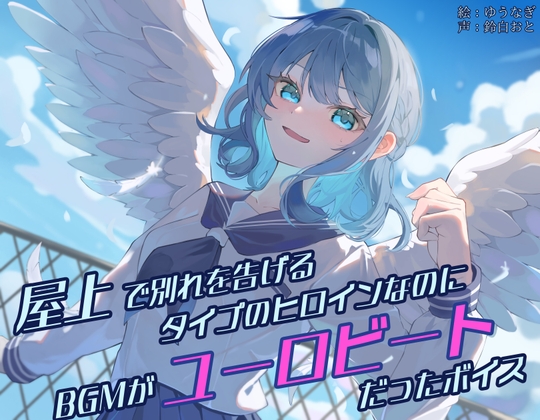
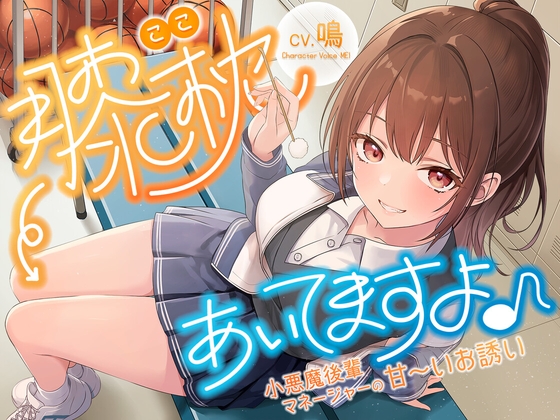
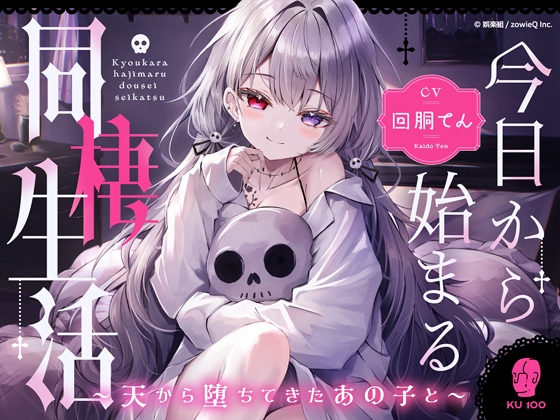
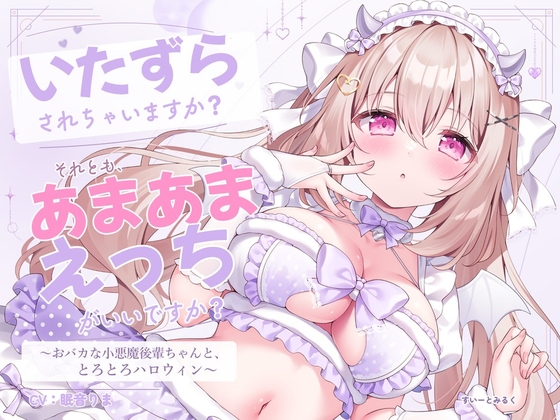
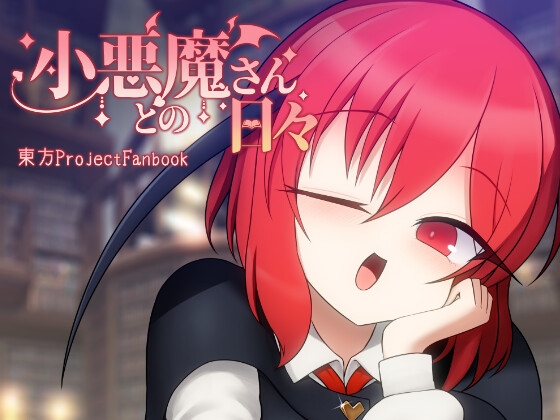
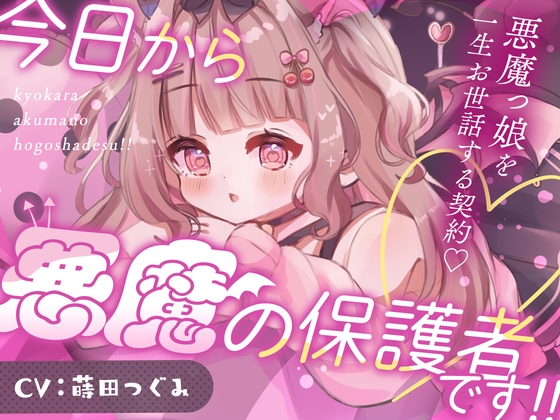
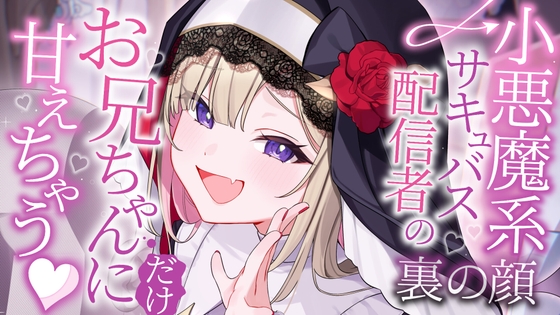
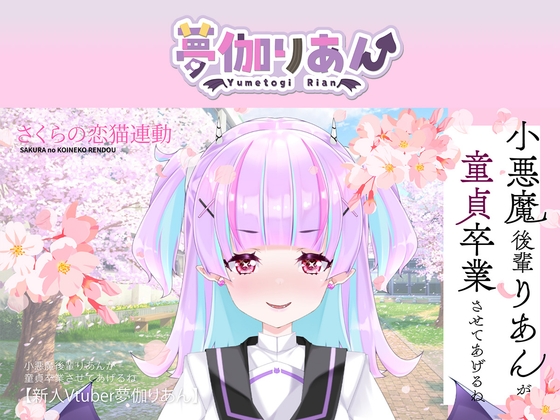
The article treats the genre as wholly fictional and supernatural. The summoning of demons described here is a fictional device that does not exist in the actual world; the article describes a category of imagined-fiction works.
Candle wax pools on a magic-circle drawn in chalk on the floor of a bedroom. The protagonist speaks the last syllable of the incantation, the air in the room changes, and someone is standing where no one had been. Turning around, the protagonist faces a non-human woman smiling coldly. I’m here. What would you like in return. Demon-summoning erotic content (悪魔召喚エロコンテンツ, akuma-shōkan ero kontentsu; short forms akuma-shōkan-mono, akuma-keiyaku-mono) names the genre of adult work in which the protagonist summons a demon, a succubus, or a similar non-human female figure through ritual and incantation, and a contract between them produces the sexual register.
Overview
The genre sits at the confluence of the wider fantasy adult-work line, the evil-spirit / dominant-queen line, and the eroge line. Its distinguishing feature is the active mode of the protagonist: it is the protagonist who calls the otherworldly figure into the scene, by ritual procedure. The simply-encountered succubus configuration (the protagonist wakes to find one already present, or has one slip into a dream) is the receptive twin; the summoning configuration places the protagonist as the agent of the encounter.
The principal carriers of the genre are eroge, adult manga, and the doujin-audio sector. Lilith-brand titles, AliceSoft-style magical-fantasy work, and short and serialised work by adult manga artists return to the configuration as a standard option.
The structural centre: inversion of the master-servant axis
The narrative engine of the genre is the inversion of the master-servant relationship between summoner and summoned across the course of the work. The formal position has the summoning protagonist as the master and the summoned demon as the familiar or the one who is used; the actual position usually reverses, with the summoned figure ahead in power, experience, and sexual initiative, deploying the terms of the contract to play the summoner.
Demands phrased as give me your vital essence, deal with me physically every night place the summoner in a doubled position: formally the master, substantively the subordinate. The configuration produces, simultaneously, the pleasure of being subordinated and the cover of I am the one who called this into being, therefore I am in control. The double accounting of self-esteem and submission-desire is one of the central design features of the genre.
Occult iconography
The visual and conceptual vocabulary of the genre derives from Western demonology, occultism, and the grimoire tradition. The demon-name catalogues of the Lesser Key of Solomon (Lemegeton), the Goetia, Le Petit Albert, Le Grand Grimoire — Asmodeus, Lilith, Belial, the succubus and incubus class — together with the pentagram and hexagram, summoning-circle geometries, Latin and Hebrew incantations, and blood-signed contracts, are taken over as the standard prop-set of the genre.
The path of this iconography into the contemporary Japanese subcultural register runs through the 19th-century European occult revival (Eliphas Lévi, the Hermetic Order of the Golden Dawn) and the post-war Japanese subcultural absorption that filtered through Dungeons & Dragons, the Record of Lodoss War novel line, and the Megami Tensei / Persona game-franchise — fixing the catalogue as the standard tool-set of eroge and adult-manga world-building.
Sub-formats
Summoning-contract format
The base shape: the protagonist draws the circle, summons the demon, and a contract is concluded with sexual service as the medium of exchange. Vital essence in exchange for a granted wish, body in exchange for borrowed magical power, and similar exchange-of-equivalence terms are standard; the duration of the contract, the penalty for breach, and the related rule-architecture become the dramatic drivers.
Accidental-summoning format
The protagonist reads a grimoire aloud out of curiosity, copies an online video as a joke, or otherwise stumbles into a real summoning without intent. The narrative shape — something is brought into being against the protagonist’s expectations — softens the question of responsibility and intent and is a common variant.
Other-world reincarnation / transfer crossover
In a crossover with the isekai line, the protagonist who has been reincarnated or transferred into another world becomes the user of demonic and monster summoning on the destination side. Demon-summoner as a class skill, heroines who are themselves demon-class characters and become party companions: these are the canonical forms.
Male-demon summoning / women-side variant
In the otome-game and BL lines, the gender of the summoning relation is inverted: the woman protagonist summons a male demon, an incubus, or a vampire-class figure. Contract-romance with the male-demon class is the centre of the configuration, with a distinct sub-line in the teen-love and otome markets.
Reception: I was the one who called him
The central pleasure structure of the genre is that the chain of events begins in the protagonist’s own intention. The protagonist executed the ritual; whatever happens afterwards, the formal subjectivity of I summoned this is preserved. At the same time, the protagonist is overwhelmed by the power of what was summoned and ends up subordinated. The pendulum between active and passive that this produces is what gives the configuration its specific feel.
The genre sits inside the broader hypnotism and dominance-and-submission lineage, but it occupies the particular position of the work itself supplies the cover-story for the surrender — I called him, so it’s fine that he does this to me. It is a vessel that holds the desire for subordination together with the preservation of self-esteem, and the configuration has carried that load durably across the genre’s history.
Related terms
Updated
References
- 『悪魔学大全』 Seidosha (Japanese edition) (1990) — Dictionnaire Infernal in Japanese translation, the standard reference for demon-name iconography.
- 『Lemegeton: The Lesser Key of Solomon』 — Classic grimoire, the source of the demon-name catalogues that recur in Japanese subcultural fantasy.
- 『Erotic Comics in Japan: An Introduction to Eromanga』 Amsterdam University Press (2021)
- 『The World of Hentai: A Cultural History of Sexual Anime』 Routledge (2019)
Also known as
- demon summoning fiction (adult)
- succubus summoning genre
- ritual-summon adult work
- ja: 悪魔召喚エロコンテンツ
- ja: 悪魔契約もの
Related
- Demon Girl Moe (Akuma Chara)
- Eroge
- Bishoujo Game (Japanese Dating Sim)
- Sacrificial-victim genre (J-hentai)
- Vampire erotica genre (J-adult media)
- Demon-Queen / Evil-Spirit Erotic Content
- Fantasy setting (J-eroge and adult game genre)
- Tentacle-mono (tentacle-genre adult media)
- Ryoujoku-Mono (Non-Consensual Genre)
- Saimin-Mono (Hypnosis Genre)
- Dark Elf (Fantasy Character Archetype)
- Princess Character (Hime-Kyara)