Saimin-Mono (Hypnosis Genre)
✎ 本文編集 (admin) 🖼 画像編集 (admin)“Saimin-Mono (Hypnosis Genre)” works on DLsite

A clear note up front: this article describes a fictional genre that uses hypnosis as a narrative device. It is not about real clinical hypnosis, a well-established therapeutic discipline, nor does it affirm the criminal misuse of any technique to compromise consent, which is a separate matter governed by criminal law. The genre operates within a fictional, consensual-fantasy frame.
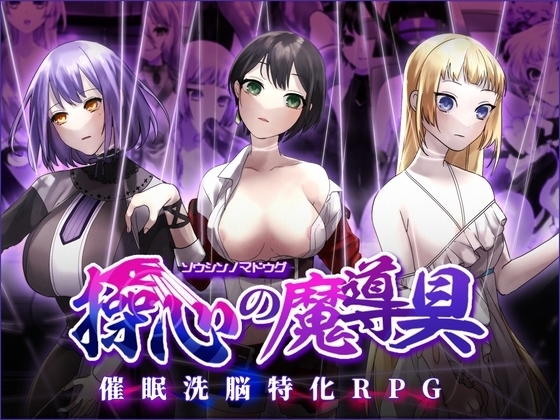
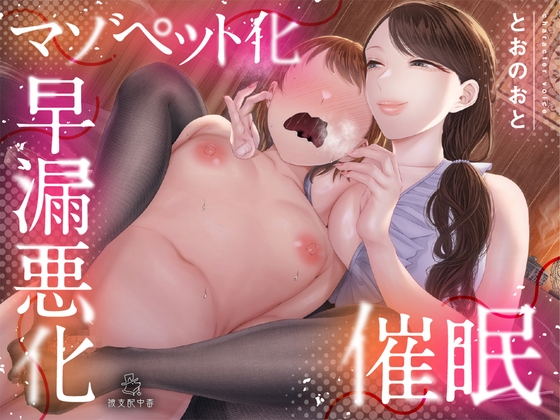
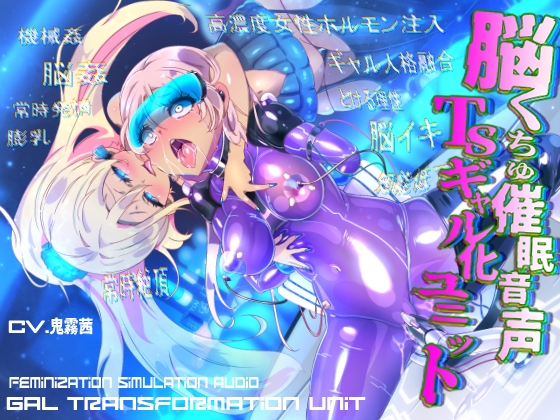
Saimin-mono (催眠もの, “hypnosis genre”) is the genre of AV and adult games and doujin work that develops around the fictional setup of controlling a target’s consciousness and behaviour through hypnosis or hypnotic suggestion. By mediating the everyday-distant device of hypnosis, the aggressor’s responsibility is blurred while the act is set in a doubly fictional state in which the target’s self-consciousness has “vanished”.
Overview
The greatest feature is the staging paradox of “making non-consent look like consent”. The target under hypnosis is set as acting as a separate self cut off from their real-world will, by which the aggressor is “merely commanding” and the target “not their true self”, producing an exculpation structure. A reason given for its popularity is the bidirectional satisfaction of a desire to dominate and to be dominated: identifying with the aggressor yields the pleasure of “moving them at will”, identifying with the dominated yields the release of “being compelled into conduct beyond one’s will”. This bidirectionality is held to draw a wide audience. As discussed in the parallel article on saimin, the device of instant suggestion-activated compliance is a narrative construct with no real-world analogue.
History and change
The history of weaving hypnosis into sexuality goes back before the modern period. In eighteenth- and nineteenth-century Europe, where Mesmerism (animal magnetism) was in vogue, many paintings and works of literature depicting a woman in a hypnotic state were produced, their suggestive connotations consciously noted at the time. In Japanese AV, works handling hypnosis situations existed sporadically from the 1990s, but the genre was established from the 2000s onward in the doujin-game and CG-book markets. As the spread of the internet let doujin authors deliver work directly to consumers, a large volume of work came to circulate under the specialised genre label “hypnosis genre”. As a doujin genre, saimin-mono actively took in SF elements (memory alteration, personality overwriting, multiple-personality manipulation) and developed independently while fusing with adjacent genres such as “brainwashing” and “enslavement”.
Tendencies
In a typical development, the hypnotist’s occupation is often a figure of authority, a doctor, psychiatrist, teacher, or fortune-teller; the combination of authority and technique functions as the in-story logic that weakens the subject’s resistance. The subject is often set as a student, patient, or client, someone who depends on or has contact with the hypnotist in some sense. Standard staging elements include “hypnotic-induction props” such as a pendulum or spiral pattern, “anchoring” in which a state switches by a specific trigger word, and “memory erasure” in which everything is forgotten when the hypnosis is lifted. These function as signs reinforcing the fictional view of hypnosis, greatly different from real hypnotherapy. In recent years immersive hypnosis experiences combined with VR technology, and audio works staging “hypnosis through the ear” combined with audio ASMR, have increased.
Reception and criticism
In reception, the criticism exists that saimin-mono fosters misunderstanding of real hypnosis; the point is raised that clinical and cognitive-behavioural hypnosis, the “hypnosis show” of entertainment, and hypnosis as fiction are consumed without clear distinction. The setup of “hypnotic state equals a state with the will nullified” substantially handles non-consensual acts, yet is easily justified as “consent within the frame of fiction”, and the ethical ambiguity of this structure is questioned from feminist criticism. On the other hand, a position valuing the fantasy character of the hypnosis device is persistent: unlike other genres, saimin-mono tends to focus on “the process of establishing and lifting a relation of domination” rather than “the act itself”, and a body of work with the depth of psychological drama has been produced.
The contemporary scholarly framing is that saimin is a fictional-only category: the device of hypnosis as immediate power transfer is a fantasy construct exploited for its dramatic potential, not a description of how real hypnosis works. The criminal misuse of any technique to compromise consent is a separate matter governed by sexual-violence law and should not be confused with the fictional genre.
Related terms
Updated
References
- 『Eromanga Studies』 East Press (2006)
- 『Mesmerized: Powers of Mind in Victorian Britain』 University of Chicago Press (1998)
- 『Hypnosis: A Comprehensive Guide』 Crown House Publishing (2000)
Also known as
- hypnosis-themed genre
- hypnotic-suggestion content
- mind-control fantasy genre
- ja: 催眠もの
- ja: 催眠AV
Related
- Ryoujoku-Mono (Non-Consensual Genre)
- Sacrificial-victim genre (J-hentai)
- Vampire erotica genre (J-adult media)
- Demon-Summoning Erotic Content
- Fantasy setting (J-eroge and adult game genre)
- Tentacle-mono (tentacle-genre adult media)
- Nanpa-Mono (Pickup Genre)
- Dark Elf (Fantasy Character Archetype)
- Demon Girl Moe (Akuma Chara)
- Princess Character (Hime-Kyara)
- Tekoki (Hand Job)
- Yagai (Outdoor Sex)