Pure-love genre (junai-kei)
✎ 本文編集 (admin) 🖼 画像編集 (admin)“Pure-love genre (junai-kei)” works on DLsite
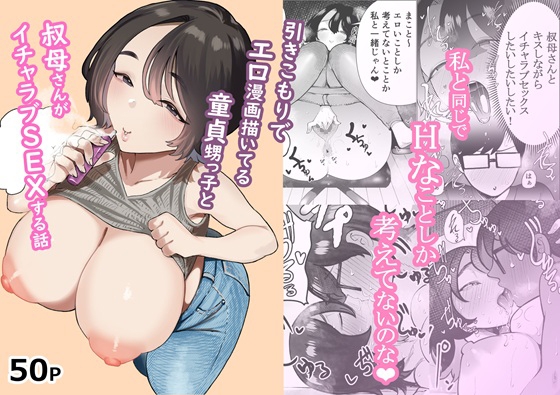
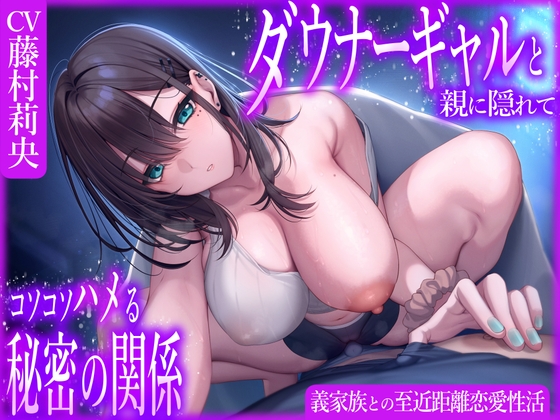
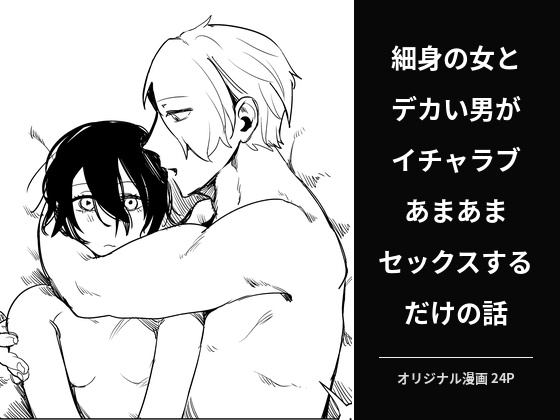
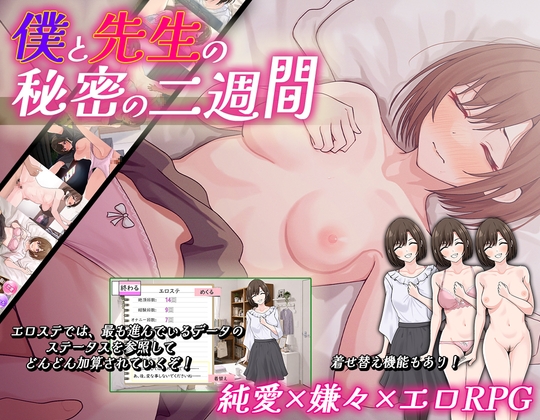
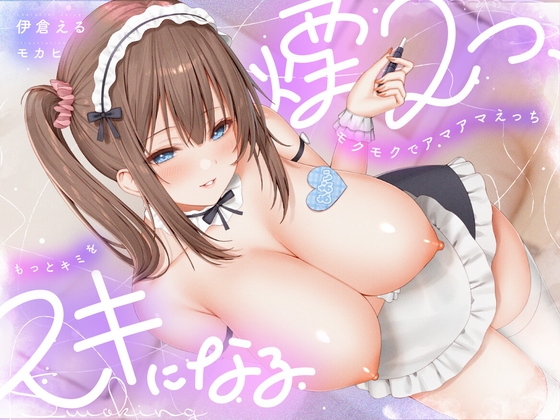
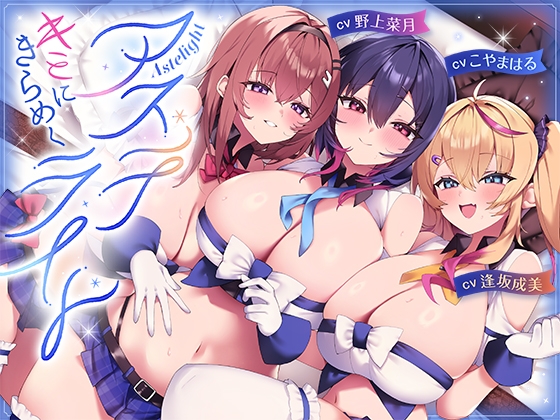

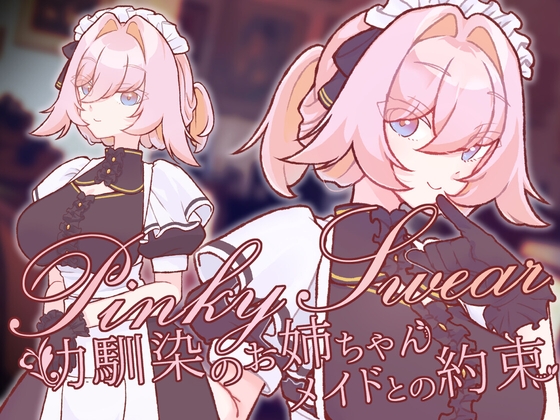
The protagonist and heroine close the distance slowly. They hold hands, kiss, are joined for the first time. The sexual depiction is placed at the story’s peak, and the accumulated hesitation, confession, and acceptance support the emotional climax. Junai-kei is the industry term for a body of adult work that makes this construction its narrative drive.
Overview
Junai-kei (純愛系, “pure-love type”) is the umbrella term for the adult-fiction genre that fuses consensual romantic feeling with sexual depiction and builds the narrative climax from the accumulation of both. It runs as the opposite term to the kichiku-kei (brutal-abuse genre) and violation lines, developed in parallel across the novel line of eroge, the romantic-comedy line of eromanga, and the love-story line of AV.
At its core are the staged formation of consensual romantic feeling, the fusion of narrative progress with sexual depiction (the depiction constituting the narrative climax), and a worldview presenting the purity and sincerity of love as a value. The construction makes the sexual depiction function as the peak of an emotional curve rather than as a standalone arousal device. It developed in parallel for both male and female audiences; for men the eroge novel line, especially the Key and Leaf lineage, is representative, while for women otome games, BL, and girls’-manga-style work carry it. In AV, the classifications “love story,” “pure love,” and “girlfriend type” function as an independent distribution axis. When the industry term junai-kei is used, kichiku-kei and the violation line are conventionally placed as its opposite; the two are not a simple dichotomy but function widely as a tonal classification of whole works.
Etymology
Junai (“pure love,” “love without calculation”) is a modern Japanese word used since the Meiji period for ideal love and carried into postwar literature, film, and popular song. Its otaku and adult-context use settled as an industry term from the late 1990s into the 2000s as the opposite of kichiku-kei and the violation line. In eroge, novel-game makers such as Key and Leaf were called “pure-love eroge” or “nakige (crying games)”; in AV, makers such as SOD Create used derivatives like “love story” and “pure love”; in eromanga, neighbouring terms such as “love-com,” “love-H,” and “icha-love” run in parallel.
History
The establishment of the term is inseparable from the late-1990s rise of the eroge novel game. Leaf’s To Heart (1997) and Key’s Kanon (1999) and AIR (2000) fused text-driven narrative experience with sexual depiction and made emotional investment in characters the core value, systematising multi-heroine branching, per-heroine routes, the sexual depiction as a route’s emotional climax, and post-ending afterglow. Terms such as “pure-love eroge,” “crying game,” and “moe game” settled in the early 2000s.
In the 2000s the dichotomy “pure-love / nukige” settled as an industry distinction: junai-kei takes narrative and emotional investment as its axis, placing sexual depiction as one element of the climax, while nukige takes the volume, variety, and arousal of sexual depiction as its axis with minimal narrative. Both circulated on the same platforms, the user choosing by taste. In AV, the terms “junai-kei,” “love story,” and “pure love” settled across the late 1990s and 2000s, with makers such as SOD (founded 1995), Madonna, and MOODYZ supplying narrative-heavy work centred on planned actresses, conscious of male, female, and couple viewing. In the doujin field the influence appears in parallel across eromanga, doujin games, and doujin audio, where neighbouring terms such as “icha-love” and “girlfriend type” form an independent category; in audio, situation and ero-ASMR work places the listener in the lover position through a second-person construction.
Sub-forms and adjacent concepts
The “crying game” (nakige) is a novel-game sub-term designed to make the listener or reader cry at the emotional climax, with Key’s Kanon, AIR, and CLANNAD (2004) representative; the central value lies in emotional investment and the processing of parting and acceptance, the sexual depiction one element of the peak. The “moe game” takes affection and attachment (moe) toward characters as its axis, a partly overlapping neighbour stressing investment in a particular character rather than the whole romance axis. “Icha-love” handles the flirtation and depiction within a stable consensual relationship, minimising conflict, a specific construction within junai-kei. “Love-com” handles comedy-toned romance and develops in both adult and all-ages registers. Against kichiku-kei and the violation line, the two are not a simple dichotomy: a single work may contain both (SM staging within a consenting relationship, pure love reached through conflict), and platforms classify by combined tags rather than exclusive ones. With cuckolding, which depicts a partner having relations with a third party, junai-kei stands in structural opposition by presenting stability and sincerity as value; some works run “begin in pure love, fall into cuckolding,” using cuckolding as a device that betrays the junai premise.
Reception and cultural notes
Pure-love eroge and novel games established, through the integration of text, illustration, music, and game systems, a construction making sexual depiction function as the peak of an emotional curve, opening a distinct field of adult expression apart from visual media. Many representative works reached general media through console ports, anime adaptation, and manga adaptation: Key’s AIR (2005 anime), CLANNAD (2007 anime), and Fate/stay night (2006 anime) are representative cases of an adult original expanding into general media, with the dual release of an explicit original and a non-explicit general version settling as a distribution form. Pure-love eroge and novel games have been a subject of content-industry studies, subcultural studies, and gender criticism, treated in works such as The Critical Point of Bishoujo Games (2004) and Nagayama’s Eromanga Studies (2006). The development of pure-love and love-story lines in AV partly overlaps the route by which the industry rediscovered the existence of female and couple viewers.
Related terms
Updated
References
- 『The Critical Point of Bishoujo Games』 Hajou Genron (2004)
- 『Eromanga Studies』 East Press (2006)
- 『Otaku: Japan's Database Animals』 University of Minnesota Press (2009)
Also known as
- pure love genre
- junai
- romance-focused adult media
- ja: 純愛系
Related
- Kichiku-kei (brutal-abuse genre)
- Mahou-mono (Magic-Themed Genre)
- Majime-Mono (Earnest Genre)
- Priest/Nun Theme (Shisei-mono)
- Isekai genre (Japanese fantasy/adult setting)
- Hime-dorei (princess-slave fantasy)
- Inmon (lewd crest)
- Kichiku-zeme (intense fictional kink)
- Netori (perspective-shifted netorare)
- Haramase-mono (impregnation genre)
- Training/development eroge
- Live-action eroge