Majime-Mono (Earnest Genre)
✎ 本文編集 (admin) 🖼 画像編集 (admin)“Majime-Mono (Earnest Genre)” works on DLsite
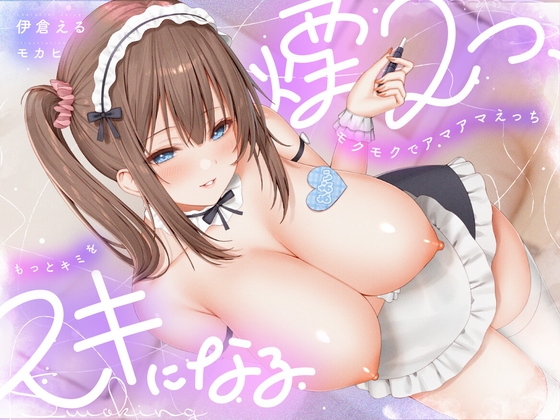
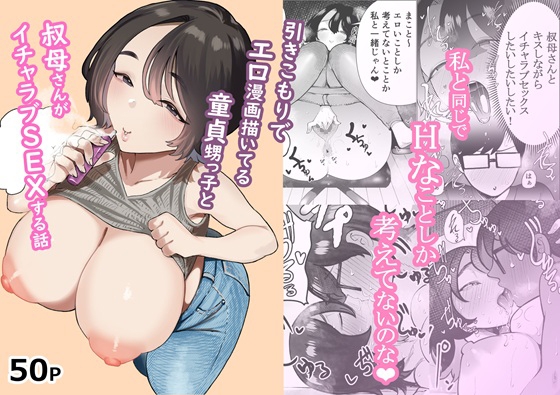
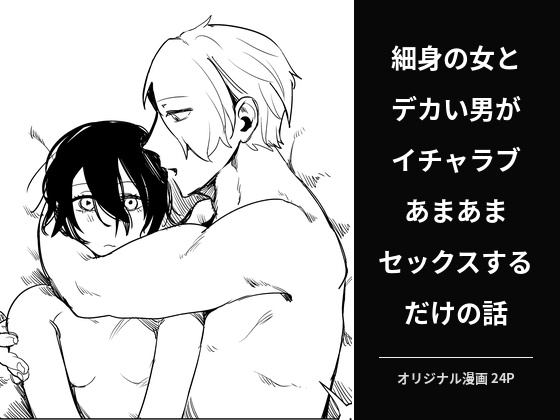
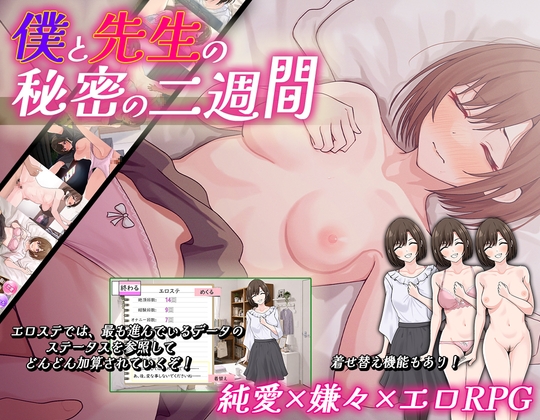
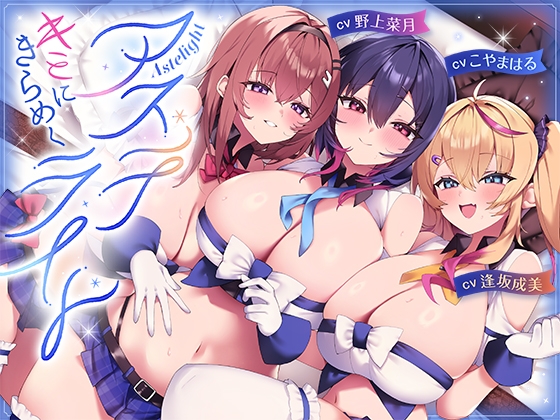

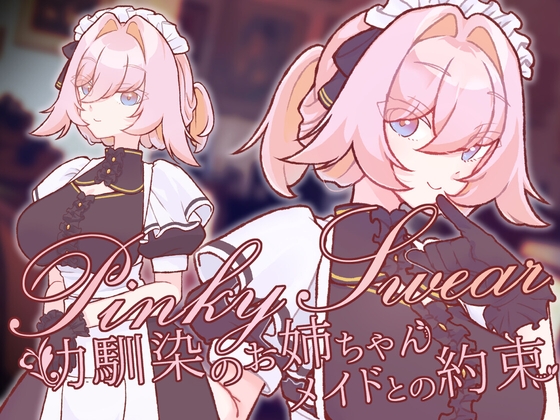

The protagonist and the girl, caught up in no incident at all, are simply talking on a poolside during summer break. The subject is her future, the anxieties she admits to, and he listens and nods. They hold hands only in the second chapter and touch only near the fifth. The sexual content arrives briefly near the final chapter, and the weight of their long story converges on it. Majime-mono (真面目もの, “the earnest kind”) is a Japanese trade term for the class of adult works that places its emphasis on the inner lives of its characters and the development of their relationship.
Overview
Majime-mono is less a discrete genre name than a colloquial label used among industry and readers, marking off the body of work that sits opposite the kichiku and assault genres. Its sexual content stays within a traditional range; the distinguishing trait is that characters deepen a relationship by mutual consent and the exchange of feeling is drawn out over time. In the eroge trade the label overlaps broadly with what is called junai-kei (pure-love), nakige (tearjerker), and moe-kei work; in eromanga it corresponds to the “lovey-dovey”, pure-love, and married-couple lines; in AV several terms coexist (“emo”, “story”, “documentary-style”). The common ground is two points: not taking coercion, violence, or antisocial depiction as the subject, and devoting screen time to the characters’ interiority.
The axis against kichiku
The term functions only against the existence of the aggressive genres. From the late 1990s into the early 2000s, assault-themed work increased in the eroge and eromanga markets, and as a counter-reaction majime-mono settled in as a reverse-lookup label for identifying “the kind of work that is not that”. The boundary is drawn by an emotional rather than a formal index. A work treating a first experience, for instance, falls into majime-mono if the partners reach it as an extension of building a relationship, and into the kichiku and assault genres if the depiction is coercive. The same sexual content is classified by context and emotional treatment.
Development by medium
In the eroge trade, from the late 1990s into the 2000s, Leaf’s To Heart (1997) and Key’s Kanon (1999), AIR (2000), and CLANNAD (2004) formed the movement called nakige (“crying games”). These works carried sexual content while placing the whole weight of the work on story and emotional depiction, with the relationship to the heroine occupying the narrative core. That became the foundation of the category later called “earnest eroge” or “story-type”. Within the bishōjo game trade, majime-mono long held a place in the mainstream, but the market contraction from the 2010s and the expansion of indie distribution through doujin games and DLsite have placed it in competition with shorter, more immediate work.
In eromanga the corresponding lines are “lovey-dovey”, “pure-love”, and “married-couple” work, with creators clustering around magazines that prioritise emotional depiction. Even in the short-form-dominated doujinshi market, earnest creators who narrow their focus to the relationship between two people hold a stable readership. In AV, “emo”, “story AV”, and “documentary-style” coexist; a style that performs documentary sincerity by filming long pre-shoot interviews, an account of the actress’s background and motives, and pre-act conversation became established from the 2010s in the work of SOD, Madonna, and related labels.
Reception psychology
Several motives stack up behind the taste for majime-mono. One is a desire for the accumulation of relationship itself. As pornography has evolved toward maximising momentary stimulus, work that carefully draws out the time of building a relationship offers a different kind of satisfaction to readers tired of sexual depiction as consumption. A second is the wish for a narrative of consent and respect; in a market saturated with the aggressive genres, a story in which a relationship forms by mutual consent and both parties share the experience affirmatively acquires its own scarcity value, and the genre’s market has expanded gently alongside a wider rise in consent awareness. A third is a hunger for narration beyond sexual depiction: a steady minority prefers long, low-density, emotion-focused work as a reaction against the mode of consuming large quantities of stimulus quickly. The demand to read adult work as story-art is the base that sustains the genre.
Crossing with related terms
- Junai-kei (pure-love): used almost synonymously, but more narrowly focused on romantic feeling
- Married-couple work: dealing with relationships between spouses, at the genre’s core
- Moe-kei: centred on the cuteness of character design, frequently overlapping with majime-mono
- Nakige: eroge selling on a story built to draw tears
Related terms
Updated
References
- 『Otaku: Japan's Database Animals』 University of Minnesota Press (2009) — English translation of 動物化するポストモダン (2001).
- 『美少女ゲームの臨界点』 Hajōgenron (2004)
- 『Eromanga Studies』 East Press (2006)
Also known as
- serious adult work
- earnest-romance genre
- character-driven adult content
- ja: 真面目もの
- ja: 純愛系エロ
Related
- Pure-love genre (junai-kei)
- Haramase-mono (impregnation genre)
- Kichiku-kei (brutal-abuse genre)
- Mahou-mono (Magic-Themed Genre)
- Fantasy setting (J-eroge and adult game genre)
- Harem genre (Japanese fictional configuration)
- Nukige
- Priest/Nun Theme (Shisei-mono)
- Workplace Genre (Shokuba-mono)
- Hime-dorei (princess-slave fantasy)
- Inmon (lewd crest)
- Kichiku-zeme (intense fictional kink)