Mahou-mono (Magic-Themed Genre)
✎ 本文編集 (admin) 🖼 画像編集 (admin)“Mahou-mono (Magic-Themed Genre)” works on DLsite
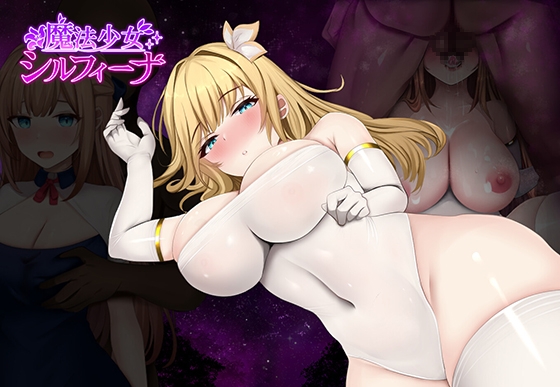
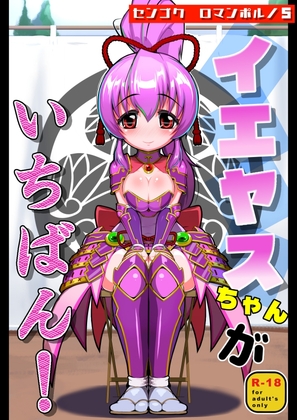
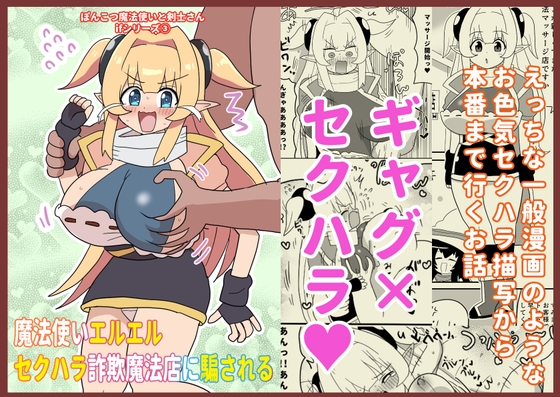
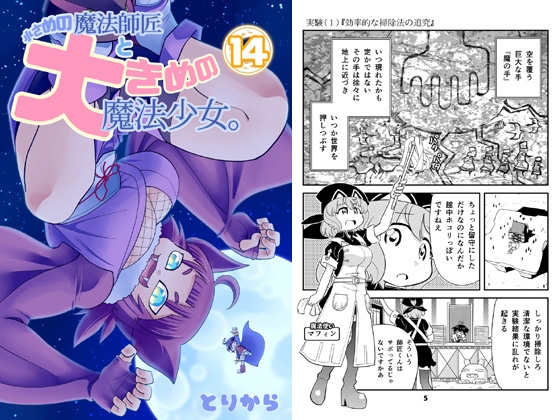
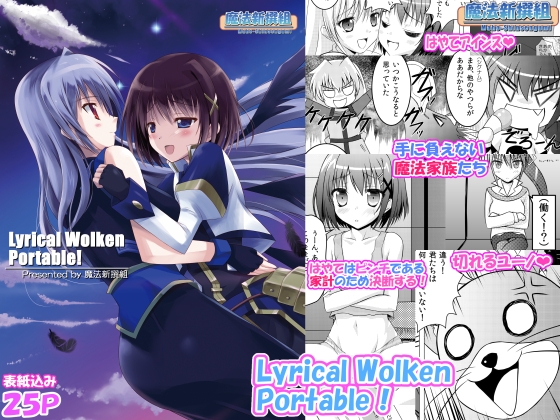
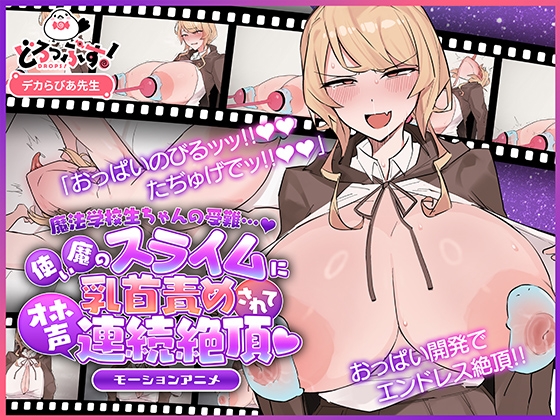
A magical girl transforms. A mage chants a spell. A force beyond physical law intervenes in the story, and relationships, bodily changes, and situations impossible in reality become permissible narrative devices. Mahou-mono is the adult derivative genre that places such supernatural elements at the core of its design.
Mahou-mono (魔法もの, “magic-themed works”) is the umbrella term for the adult genre that places magic, sorcery, the occult, and divine arts at the foundation of its worldbuilding or at the core of its narrative drive. It forms an adjacent region to the fantasy genre and isekai, and encompasses the adult derivative of the magical-girl genre, the magical-tome and magic-academy works, the succubus and demon-race line, and the curse and hypnosis-magic line.
Overview
The core of mahou-mono shares four features: a supernatural force beyond physical law (magic, sorcery, the occult); characters who control or wield that force (mage, magical girl, sorcerer); a logic of magic (the codified procedures of incantation, spell, tome, contract); and a narrative structure of conflict and crossing between magic and the real world.
In adult contexts the derivative structures include the battle, defeat, and fall line of the magical girl; bodily transformation, hypnosis, and training by tome or contract magic; relationships with succubi and demon-folk; roleplay at a magic academy; and the acquisition and use of magic in an isekai destination. The force beyond physical law functions as a device guaranteeing narrative legitimacy for relationships, bodily changes, and situations that cannot hold in reality. The genre operates across eromanga, eroge, doujin games, and adult web novels; the per-medium design differs, but the logic of placing magic at the core is shared.
Etymology
Mahou is a classical Japanese word meaning “the art (法) of the uncanny power (魔),” derived from the technical concepts of Buddhism and Daoism. The Japanese words mahou, jujutsu, shinjutsu, majutsu, and madou differ in religious and cultural background but are used roughly interchangeably in modern subcultural context.
“Mahou-mono” and “magical-girl genre” settled as trade terms in parallel with the rise of 1980s magical-girl anime (Minky Momo, Sailor Moon, and others). “Tome works” and “magic-academy works” are derivative labels stressing particular worldbuilding and narrative structures. The Anglophone counterparts operate as magic fetish, magic transformation, witch fetish, and magical girl genre; the Japanese mahou-mono and magical-girl lines developed within a distinctly Japanese subcultural lineage and are internationally known through the reception of the magical girl.
History
The prehistory lies in the magical-girl anime lineage from the 1960s onward. Mahoutsukai Sally (1966), Himitsu no Akko-chan (1969), Minky Momo (1982), and Creamy Mami (1983) established the basic format. From Sailor Moon (1992), magical-girl anime branched toward the “fighting beauty” line incorporating battle and team elements, and a situation arose in which it circulated continually as a subject of adult derivative work. Nagayama’s Eromanga Studies (2006) and Saito’s The Psychoanalysis of the Fighting Beauty (2000) analyse the reception structure of fighting-beauty characters in otaku culture.
In the 1990s eroge industry, the adult derivative of the magical-girl genre developed as an independent sub-genre; both derivative works of commercial titles and original settings developed in parallel, and battle, defeat, fall, and training themes for magical-girl characters became standard in eromanga and eroge. In parallel, fantasy RPG eroge ran the mage, sorcerer, and witch character types as standard, with the mage heroine a recurring type in flagship series.
The 2000s saw the diversification of adult magical-girl variations alongside new commercial magical-girl anime: works of “the magical girl falling to evil, being defeated, or being trained,” and works of “sexually applying the transformation ability.” Puella Magi Madoka Magica (2011) prompted a structural rethink of the magical-girl genre and influenced subsequent design. citation needed From the later 2010s, the rapid growth of isekai partly merged mahou-mono with the form that thematises acquiring and using magic in an isekai destination, where magic is placed as a core ability system within game-like settings of stats, skills, and ranks. In the doujin game field, works using succubus, demon-folk, and witch other-race settings rose as an independent sub-genre. By the 2020s, mahou-mono settled as a base sub-genre running in parallel across eromanga, eroge, doujin games, doujin audio, and adult web novels, with cross-medium sharing of worldbuilding and character types advancing.
Typical structures
The adult derivative of the magical girl resolves roughly into four types. The battle, defeat, and training type has the magical girl defeated by an enemy and subjected to sexual humiliation, widely run in action eroge and erotic RPGs. The fall type thematises the process of the magical girl being dyed by the enemy side or a dark presence, overlapping in part with training designs. The transformation-ability application type uses the magical girl’s transformation, costume, and special powers as sexual staging, positioned as a derivative of cosplay and roleplay. The slice-of-life or healing type sets everyday romance against a magical-girl background.
Tome works run ancient tomes, contracts, and spellbooks as the narrative-drive device, incorporating bodily transformation, hypnosis, and training tied to their use. Magic-academy works set a school teaching magic as the stage, with magic learning, school life, and teacher-student relations as the axis, developing at the intersection of school and magic genres. The succubus and demon-race line, taking succubi, demon-folk, and witches as the axis, is a representative derivative, developing seduction and charm magic, relationship-building with demon-folk, and contracts with witches within fantasy and isekai worldbuilding. The curse and hypnosis-magic line thematises mental and bodily transformation and overlaps in part with hypnosis, training, and TS genres.
The patterns of binding magic to sexual depiction resolve roughly into: sexual depiction as a side-effect of magic (bodily transformation, hypnosis, aphrodisiac); magic as a trigger for sexual contact (charm and seduction magic); relationship-building with magical beings (succubi, demon-folk); and cosplay or roleplay use of mage and magical-girl character types.
Adjacent concepts
The fantasy genre is the broad genre set in a sword-and-magic other world, and mahou-mono is the derivative handling the part that places magic at the design core; the boundary is fluid. Isekai magic acquisition developed at the intersection of mahou-mono and isekai, and the “isekai reincarnation plus magic acquisition plus harem” combination is a typical configuration of adult web novels. The hypnosis genre and curse-magic line overlap in thematising mental and bodily transformation, differing in that hypnosis centres present-day hypnotism while curse-magic centres supernatural force in a fantasy world. TS and futanari bodily-transformation genres developed as a line of mahou-mono, with magical sex change and bodily transformation recurring at the intersection.
The fighting-beauty concept (the type of woman character with combat ability) is a broad concept that subsumes the magical girl as a principal component; the fighting-beauty phenomenon discussed in Saito’s The Psychoanalysis of the Fighting Beauty (2000) functions as a superordinate concept integrating the magical-girl, succubus, and witch lines. In the cosplay field, magical-girl and mage costumes have become an independent category as a live-action and doujin-video derivative, with works centred on the magical-girl costume circulating continually in cosplay photobooks, live-action POV-style filming, and doujin video.
Cultural references
The magical-girl genre is widely recognised internationally as a representative genre of Japanese subculture; through multi-media development the character type settled as an international subcultural vocabulary. The adult derivative developed its own expressive styles and character types while strongly influenced by commercial works. Saito’s The Psychoanalysis of the Fighting Beauty (2000) and its English edition Beautiful Fighting Girl (2011) analyse the reception of magical-girl and fighting-beauty characters from psychoanalytic and sociological viewpoints, providing a theoretical frame relevant to the adult derivative as well. The Anglophone magical girl culture developed as an independent reception field through the export of Japanese magical-girl anime from the 1990s, forming its own derivative and critical culture; the English translation and international development of Japanese adult mahou-mono builds on that cultural base.
See also
Updated
References
- 『Beautiful Fighting Girl』 University of Minnesota Press (2011)
- 『Bishoujo Game no Rinkaiten (The Critical Point of the Bishoujo Game)』 Hajou Genron (2004)
- 『Eromanga Studies』 East Press (2006)
Also known as
- magic-themed genre
- magical girl theme
- magic fetish
- magic transformation
- ja: 魔法もの
Related
- Isekai genre (Japanese fantasy/adult setting)
- Pure-love genre (junai-kei)
- Kichiku-kei (brutal-abuse genre)
- Priest/Nun Theme (Shisei-mono)
- Training/development eroge
- Action Eroge
- Fantasy setting (J-eroge and adult game genre)
- Majime-Mono (Earnest Genre)
- Erotic RPG
- Hime-dorei (princess-slave fantasy)
- Inmon (lewd crest)
- Kichiku-zeme (intense fictional kink)