SM Salon
✎ 本文編集 (admin) 🖼 画像編集 (admin)“SM Salon” works on DLsite
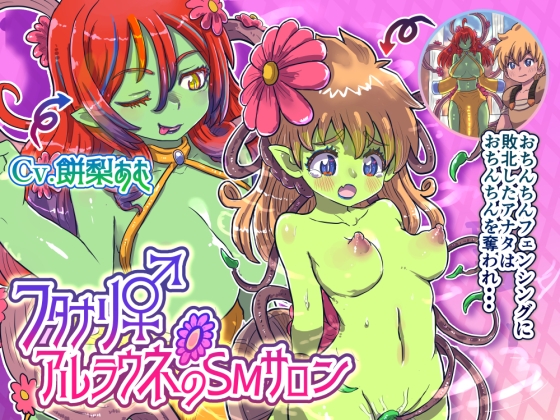
SM salon (Japanese: SMサロン) denotes the form of the Japanese sex industry whose main service is bondage, training, and dominance-submission (SM) provided in a private space with dedicated equipment and a particular style of hospitality. In a broad sense it is used interchangeably with SM club, but industry usage tends to distinguish it by an emphasis on salon-style hospitality, the autonomy of an in-house dominatrix (Mistress), and operation from a fixed shop with capital investment. This entry covers its features, types, the difference from the SM club, the history of the trade, its position under the Amusement Business Act, and its links with media and SM culture.
Overview
The basic service runs: the customer enters by visit or advance booking; nominates an in-house dominatrix, M-jō, or M-otoko; and receives SM play in a dedicated private room (SM room, dungeon, bondage room). Sessions standardly run 60 to 180 minutes, with prices varying widely by area, rank, and nomination fee.
SM salon and SM club overlap greatly as industry terms, and no convention strictly separates them. In the usage of trade magazines and shop names, “salon” tends to be used for specialist shops with relatively few cast, shops where an in-house dominatrix leads policy, and shops stressing a salon-like, social style of hospitality; “club” tends to denote larger cast numbers, organised operation, and dungeon-type shops with several private rooms.
Under the Amusement Business Act, the store-based SM salon falls under store-front sex-industry special business, run by notification to the prefectural Public Safety Commission. There is no separate legal category for the SM salon; it runs under the same classification as the SM club and fashion health. Intercourse (full service) is banned in law and as a stated premise, and the trade’s core is body-contact SM play, not turning on whether genital contact occurs.
Etymology
“SM salon” is a Japanese coinage combining “SM” with “salon.” “Salon” originally meant a French social or drawing room, from the literary salon culture of eighteenth-century Paris; in Japanese trade names it took hold from the 1970s as one self-designation among “club,” “health,” and “cabaret.” The choice of “salon” reflects a self-definition as a specialist place for particular tastes, a self-presentation that includes salon-like hospitality beyond mere play provision, and an implication of a smaller, more specialist shop than a “club.” Derivative names such as “bondage salon,” “dominatrix salon,” and “bondage café” denote the same family of trades, each stressing a core service.
History
The direct source lies in the formation of postwar SM culture. Magazines such as Kitan Club (1947) and SM King (1968) fostered private circles through readers’ columns, and from the 1960s and 1970s membership-based SM salons and bars existed in small numbers in the entertainment districts of Tokyo and Osaka, mostly underground operations without official notification. The box-office success of SM literature and film, crowned by Dan Oniroku’s Flower and Snake (serialised from 1962, filmed by Nikkatsu Roman Porno in 1974), made SM culture visible as a domain of adult culture and prepared the ground for open shop operation; from the late 1970s small SM bars and salons with riggers performing as showmen opened in Shinjuku and Shinsaibashi, the direct prototype of the modern SM salon.
The major 1985 revision of the Amusement Business Act named private-room trades as store-front sex-industry special business and made them subject to notification, giving SM-themed shops a footing alongside fashion health. Through the 1980s, the popularisation of SM culture on the back of Dan Oniroku’s work, the steady supply of SM films in Roman Porno, and the establishment of the SM-magazine market formed the cultural and economic base of the trade. The 1990s were the heyday, marked by shop specialisation and a luxury tier with signature in-house dominatrices, the establishment of a hospitality protocol (pre-play counselling, menu consultation, aftercare) as a point of differentiation, and mutual reinforcement with SM media.
From the 2000s the trade entered a gentle decline, as the rise of delivery health shrank store-based trades, the 2005 reform tightened geographic regulation, the internet personalised SM information and matching, and SM Spirits closed in 2014. From the 2010s, fixed-shop SM salons survive in small numbers in major cities while dispatch forms grow; the salon’s intrinsic features of equipment, salon hospitality, and the dominatrix’s autonomy are hard to reproduce in dispatch, so the fixed-shop salon secures its place through specialisation.
Types of shop
The SM salon divides by core technique into several types, by industry convention rather than law. The bondage salon centres on bondage, with specialist riggers and equipment such as ceiling beams for suspension; bondage carries nerve and circulation risk, so practice requires specialist training and the rigger’s professional independence runs higher than in other salon types. The dominatrix salon features a female dominant (Mistress) and offers submissive play to male customers, near M-seikan but distinguished by a larger share of physical SM techniques such as restraint and striking, an emphasis on the psychological staging of dominance, and relatively less genital-contact service. The bondage café and SM bar combine costumed staff and food-and-drink with SM play, sitting between salon and eatery and serving as an entry point to SM culture. The M-otoko salon, with male submissives serving female or same-sex customers, is a smaller segment present only in major cities.
Difference from the SM club and ordinary trades
In industry usage, “club” tends to mean larger shops with organised operation and several dungeons, “salon” smaller shops led by an in-house dominatrix and stressing social hospitality; these are tendencies in self-designation, not legal categories. Against ordinary fūzoku and men’s esthetics, which centre on oral, manual, and massage service, the SM salon centres on restraint, bondage, striking, wax, and training; not turning on genital contact is its distinctive feature. Where ordinary trades centre on immediate response to arousal, the salon centres on managing the progress of play over time, through counselling, safeword setting, staged adjustment, and aftercare, the protocol that makes a “salon” a salon.
Links with media and SM culture
Trade magazines such as SM Spirits (Tokyo Sanseisha, 1982-2014) functioned as the main medium for clientele and information, built on shop listings, dominatrix interviews, readers’ columns, and SM criticism; peaking in the 1990s, they contracted with the move to internet media, and the 2014 closure of SM Spirits marks the symbolic end of the trade-magazine era. The salon held a mutually reinforcing cultural link with SM literature and Roman Porno SM film: works such as Dan Oniroku’s Flower and Snake served as a cultural reference for play, while Fukuda Kazuhiko’s A History of Japanese Bondage (1980) placed the salon’s bondage technique in historical context. From the 1990s, with the SM AV market, in-house dominatrices became talents through AV appearances, the salon a casting source and the AV production a promotional engine.
See also
Updated
References
- 『Nihon Kinbaku Shi (A History of Japanese Bondage)』 Shinsensha (1980)
- 『SM Spirits』 Tokyo Sanseisha (1982-2014)
- 『Seifūzoku no Ibitsu na Genba』 Chikuma Shinsho (2016)
- 『Act on Control and Improvement of Amusement Business (Fueihou)』 Government of Japan (1948) — 1985 revision organising the store-front sex-industry categories.
Also known as
- SM salon
- bondage café
- dominatrix salon
- ja: SMサロン
- ja: 女王様サロン