Parasocial streaming culture (gachikoi haishin)
✎ 本文編集 (admin) 🖼 画像編集 (admin)“Parasocial streaming culture (gachikoi haishin)” works on DLsite

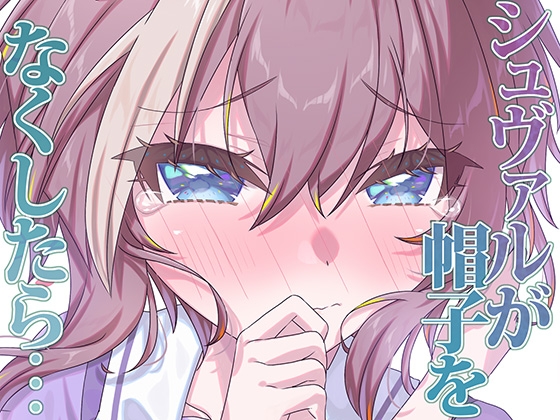
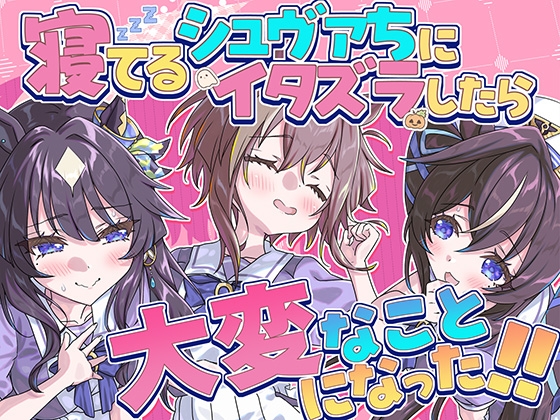
The chat scrolls down the side of the screen, a comment carrying a name. The streamer reads it aloud and reacts. The viewer feels the pull to tighten the household budget and send another super-chat. The figure on the other side of the screen seems to remember the viewer, even to welcome the attachment that the viewer carries. Gachikoi haishin culture (Japanese: ガチ恋配信文化, gachikoi haishin bunka) is the umbrella term for the parasocial-romance audience formation in live streaming, and for the tipping and gifting practices that sustain it economically.
This article describes a sociological phenomenon: the parasocial dynamic between viewers and streamers and the resulting economic structure. The streaming content discussed is generally not explicit; the parasocial intimacy operates around non-explicit live broadcasting, and the topic falls within the wider adult-cultural space because of its overlap with adjacent industries (former-idol streaming, former-gravure streaming, live chat, subscription-creator content).
Overview
Gachikoi streaming culture extends the underground-idol fan-with-specific-member configuration into the live-streaming-platform setting. Where the original underground-idol configuration ran through venue attendance and post-show photo sessions, the streaming configuration runs through nightly broadcast viewing, comment-and-tipping, and the construction of a perceived relationship as a parasocial form of romantic engagement.
The principal platforms are YouTube Live, TwitCasting, FUWACCH (Furwacch), 17LIVE, Niconico Live, Twitch, and Pococha. The platforms differentiate by streamer demographic, content type, and tipping mechanic, supporting a substantial market segmentation. The platform configuration sits distinct from the dedicated adult live-chat industry: the broadcast content itself is typically non-explicit, while the viewer-streamer relationship register approaches the configuration of intimate attachment.
The term “gachikoi”
Gachikoi (Japanese: ガチ恋) is a coinage of the 1990s and 2000s underground-idol scene, formed from gachi (the colloquial intensifier “for real, seriously”) and koi (romantic feeling). It denoted the audience-type that carried serious romantic attachment to a specific idol-group member. The standard scene-internal classification placed gachikoi alongside hako-oshi (group-wide support), tan-oshi (single-member support), and DD (“dare-demo daisuki”, non-specific affection) as the audience-type vocabulary; the gachikoi class was recognised as the most-invested in time, money, and emotional engagement.
The migration of the vocabulary into live-streaming platforms accelerated through the late 2010s, with AKB48-group SHOWROOM streaming, underground-idol individual TwitCasting use, and the individual streaming activity of former-idol and former-gravure figures all importing the scene-internal vocabulary into the online setting.
Economic structure: super-chats and tipping
YouTube Live’s super-chat, TwitCasting’s o-cha-baku and tea-credit, FUWACCH’s item-purchase, and 17LIVE’s gift system all implement the tipping configuration as a platform-native feature. Tipping comments display with foregrounded emphasis in the chat feed, and the streamer’s real-time recognition-and-response constitutes the principal value-exchange mechanism: the viewer purchases the experience of having their name read aloud.
Successful streamers may receive monthly tipping revenue in the millions of yen, with the upper tier of game-streaming, VTuber, former-idol, and former-gravure streaming generating annual revenue at the high tens of millions of yen and occasionally beyond. After agency deductions, platform fees, and tax, the streamer’s net take is typically 30-50% of headline tipping revenue.
Audience psychology
The central psychological figure of the gachikoi audience is the bilateral-engagement illusion. Because the broadcast is live rather than recorded, the viewer can engage in real time, with the perception that the streamer notices their comments, calls their name, and acknowledges their presence. The perceived psychological distance narrows; the streamer’s voice, laughter, and topic-selection appear, in the viewer’s experience, to operate as much for the viewer as in general.
On the streamer side, the configurations of casual-conversation streaming, just-woken-up streaming, post-bath streaming, and fall-asleep-with-me streaming all produce a “girlfriend-like” or “boyfriend-like” register of intimate-life sharing. Without crossing into explicit content, the wardrobe, conversation, voice-quality, and the targeted addresses to specific viewers all develop a regular layer of romantic-intimacy adjacent affect.
The configuration sits in continuity with situational voice and ASMR girlfriend voice audio work, with the distinguishing feature that the live broadcast offers shared simultaneous time. Where recorded audio offers always-accessible intimacy, live streaming offers now-and-only-now intimacy.
Patronage and viewer-streamer relations
For streamers whose income is substantially driven by gachikoi viewers, the economic relationship occasionally extends past platform-mediated tipping into direct-message patronage and gift-of-goods practice. Outside platform-recognised tipping, the practice of sending Amazon gift cards, cash, and material goods directly to the streamer’s listed addresses operates in parallel; the relationship between the individual streamer and the individual viewer in some configurations approaches the parasocial-into-patronage structure of compensated-companionship arrangements.
Former-idol and former-gravure individual streamers operate close to a sole-proprietor business selling their market value directly to viewers, and the use of live streaming to direct audiences into OnlyFans, Fantia, myfans, and similar paid-content platforms operates as a standard pattern of the wider creator-economy configuration.
See also
Updated
References
- 『Oshi Economy』 Nikkei BP (2021)
- 『Imagined Intimacies: Parasocial Relations and the Performance of Authenticity』 in Internet Celebrity (2018)
- 『Idol Kougaku』 Chikuma Shobo (1989)
Also known as
- gachikoi-zei
- super-chat culture
- streamer parasocial economy
- ja: ガチ恋配信文化
Related
- Eroge music culture (J-adult game soundtracks)
- Eroge voice actress culture (J-adult game industry)
- Hentai Video
- Kawaii
- ASMR (Autonomous Sensory Meridian Response)
- Tip-Based Erotic Streaming
- Ecchi (Japanese Softcore Erotic Genre)
- Hana to Hebi (Flower and Snake)
- Haramase-mono (impregnation genre)
- Idol-producer theme (J-adult media)
- Sacrificial-victim genre (J-hentai)
- Training/development eroge