Eroge music culture (J-adult game soundtracks)
✎ 本文編集 (admin) 🖼 画像編集 (admin)“Eroge music culture (J-adult game soundtracks)” works on DLsite
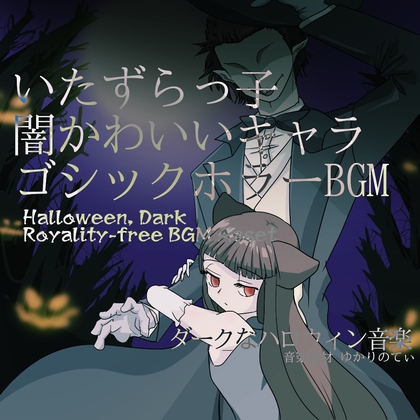
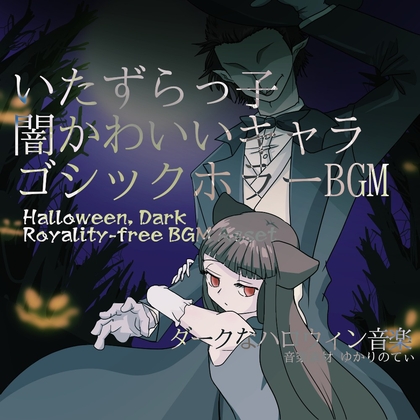
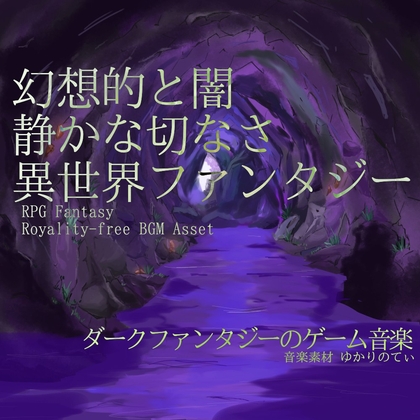
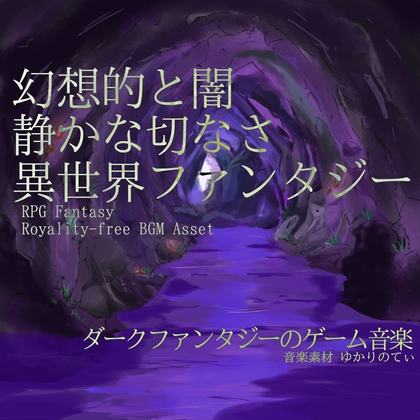
The PC powers up, the publisher logo cycles through, and the main title appears. The intro that comes through the speakers in that moment sets the temperature of the whole story. Tear-pulling piano, a sprinting synth line, a held string quartet. The Japanese name for this whole musical layer is eroge BGM, and it has supported an independent commercial sector since the late 1990s.
Overview
Eroge BGM culture (Japanese: エロゲBGM文化, eroge biijiieemu bunka) is the body of soundtracks, opening themes, insert songs, and incidental music produced for Japanese adult PC games (eroge in general use). The form developed from the late 1990s and has supported a distinctive composer-and-vocalist ecosystem alongside, and in continuous interaction with, the wider Japanese console-game and anime music industries.
The central forms are the visual novel and bishoujo game labels’ in-house and contracted composers, and the vocalists who handle the opening, insert, and ending themes. Representative anchor labels include Visual Art’s’ Key Sounds Label (Jun Maeda, Shinji Orito, Magome Togoshi), the Leaf composers (Naoya Shimokawa, Masato Nakayama), Nitroplus and 5pb. (Chiyomaru Shikura), I’ve Sound (founded by Kazuya Takase, with KOTOKO, Mami Kawada, and Eiko Shimamiya), and the doujin circles (Cyclet, Crow’s Claw, Whirlpool, and others) that operate in adjacent registers.
History
Early period (early 1990s)
The earliest period of PC eroge music ran on FM-synthesis and MIDI playback, with the technical constraints of the PC sound hardware and the storage media holding compositions to short, simple looping segments. AliceSoft’s Rance series and Leaf’s Shizuku and Kizuato both used spare internal-synthesis BGM to anchor their narrative tone, in a working style that was constrained as much by the technical environment as by editorial choice.
CD-ROM and the format expansion (late 1990s)
The shift to CD-ROM as the standard distribution medium opened access to compressed-audio playback and substantially richer compositions. Leaf’s To Heart (1997), Key’s Kanon (1999), and Key’s AIR (2000) consolidated the three-layer structure that became the standard format for eroge music: piano-led emotionally-coded background music, per-heroine theme songs, and an opening-and-ending vocal track pair. Subsequent works followed the same structural division.
Key and I’ve Sound (2000s)
The 2000s were the peak decade of eroge music, coinciding with the wider eroge market peak. Key’s Jun Maeda built the musical core of the “nakige” (tear-jerker) tradition through his work on Kanon, AIR, and CLANNAD, using piano-strings-synth combinations and a distinctive sentimental melodic line that drew numerous followers in subsequent production. I’ve Sound, with Kazuya Takase as principal composer-producer, anchored the eroge opening-theme market on a trance-and-techno base, and the I’ve vocalists (KOTOKO, Mami Kawada, Eiko Shimamiya) extended their careers into mainstream-label J-pop release through Lantis and Geneon Universal.
Console and anime crossover (2010s)
The 2010s saw the principal eroge hits adapted for consoles and anime, with the music staff frequently following the migration. Maeda composed for the Angel Beats! (2010) and Charlotte (2015) TV anime productions; I’ve Sound contributed opening themes to Shakugan no Shana and other anime; Shikura’s 5pb. console output expanded substantially around the Steins;Gate franchise. The composer career path became a continuous traverse across commercial eroge, console, anime, and doujin music output.
Doujin and commercial interchange (2010s onward)
The contraction of the commercial eroge industry through the 2010s ran in parallel with the expansion of doujin music circles (Sound Online, Active Planets, Cyclet), doujin audio, and nukige production. As the commercial sector’s flagship releases became less frequent, composer careers reorganised across the four registers of commercial eroge, console, anime, and doujin music, with the doujin sector providing both a continuing professional outlet and an entry point for new composers.
Opening movies and theme songs
The eroge opening movie is the principal commercial face of the work. The combination of title logo, character stand-art, sequence stills, and lyric overlay over the opening theme is the standard configuration; the works coordinate their visual and musical identity across this central commercial-presentation segment. Pre-release upload of the opening movie to pixiv and YouTube became the standard promotional configuration in the 2000s, allowing prospective buyers to encounter the music and visuals before purchase.
The vocalist roster for eroge opening themes has been substantial. KOTOKO, Mami Kawada, Haruka Shimotsuki, Chata, rino, and Sasaki Saya were among the prominent figures; many maintained dual careers as voice actresses, with the eroge voice culture and the eroge music sector overlapping substantially in personnel and production cycles.
Reception: music as story-binding
The particular audience attachment to eroge BGM derives from the direct binding between specific tracks and specific character or scene emotions. A heroine theme played in isolation reactivates, for any listener who has played the source work, the entire emotional arc of that heroine’s route; the music functions as an emotional-capture device for the narrative experience.
The binding effect is most pronounced in the nakige and junai-kei (sweet-romance) registers, where the works build sustained emotional arcs across many hours of play. Listeners returning to the soundtrack later play the scenes back in their internal cinema. The double-exposure of narrative and music is the central organising figure of eroge BGM culture.
See also
Updated
References
- 『The Critical Point of Bishoujo Games +1』 Hajou Genron (2008)
- 『Anime: A History』 British Film Institute (2013)
- 『The World of Hentai: A Cultural History of Sexual Anime』 Routledge (2019)
Also known as
- eroge BGM
- bishoujo game music
- adult visual novel soundtracks
- ja: エロゲBGM文化
Related
- Eroge voice actress culture (J-adult game industry)
- Haramase-mono (impregnation genre)
- Training/development eroge
- Isekai genre (Japanese fantasy/adult setting)
- Live-action eroge
- Pure-love genre (junai-kei)
- Kichiku-kei (brutal-abuse genre)
- Vampire erotica genre (J-adult media)
- Mahou-mono (Magic-Themed Genre)
- Action Eroge
- Fantasy setting (J-eroge and adult game genre)
- Parasocial streaming culture (gachikoi haishin)