Eroge voice actress culture (J-adult game industry)
✎ 本文編集 (admin) 🖼 画像編集 (admin)“Eroge voice actress culture (J-adult game industry)” works on DLsite
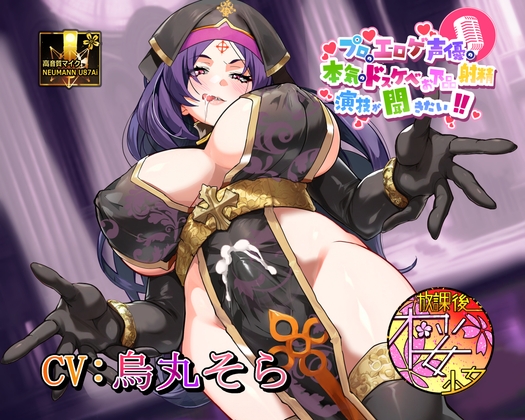

The opening cuts in, a heroine speaks her first line, and a familiar voice connects the screen to a memory of another work. Players have for years half-recognised the parallel workplace of their favourite mainstream voice actresses, with the ambivalent pleasure that the recognition carries. Eroge voice actress culture (Japanese: エロゲ声優文化, eroge seiyuu bunka) is the working culture of the women who perform heroine roles in Japanese adult PC games (eroge in general use), and the industry convention around pseudonym separation and the recognised path to mainstream voice acting.
Overview
Eroge voice actresses are the female voice talent active across the principal visual novel labels (Leaf, Key, AliceSoft, Nitroplus, August, Yuzusoft, NekoNeko Soft) and the nukige labels (Akabeesoft, Effordom, Lune). Male voice actors performing male character roles exist, but the commercial selling-by-voice convention has historically operated almost exclusively for female performers.
The principal working convention is the use of a stage name (pseudonym) distinct from the performer’s mainstream-industry name. The pseudonym system serves to keep adult-content credits out of the mainstream career record and preserves the working option, for both performer and mainstream label, of treating the two careers as separate identities should a mainstream debut follow. The system has operated continuously since the late 1990s.
History
Voice-acted era (late 1990s)
Full voice acting consolidated as the standard in eroge from the late 1990s, on the back of the CD-ROM-format storage expansion and PCM compression development that brought voice-track sizing within the medium’s range. Leaf’s To Heart (1997) and Key’s Kanon (1999) were among the principal works of the transition to full-voiced or substantially-voiced production. Performers active in the period included voice actresses whose subsequent mainstream careers became substantial, with the early eroge work appearing in early-career documentation only in specialist sources.
Peak period (2000s)
The 2000s eroge market peak ran in parallel with a sharp expansion of voice-talent demand across the industry. Nitroplus’s Kimi ga Nozomu Eien and Kikokugai, Leaf’s Utawarerumono, Key’s AIR and CLANNAD, and the original PC release of TYPE-MOON’s Fate/stay night all carried substantial voice rosters; specialist eroge voice actresses operating under pseudonyms built recognisable performance brands that supported sustained fan engagement.
Mainstream transition and pseudonym separation (2000s–2010s)
A substantial proportion of the prominent eroge voice actresses transitioned to mainstream anime, dubbing, and narration work through the 2000s and 2010s. The transition typically involved a change of stage name and the removal of adult-content credits from official biographical material. Fan-side cross-referencing has produced reasonably complete identification of the principal correspondences, but the official position of the labels and agencies has been to maintain the formal separation. In some cases, the labels of older works have replaced or removed the original voice credit during the work’s continued reissue.
Console adaptation and all-ages versions
The principal eroge hits have been adapted for console release (Xbox 360, PS3, PSV, Nintendo Switch) as all-ages versions, with the explicit content removed. The voice cast for the all-ages version may retain the original eroge performers or substitute mainstream voice actresses; where the original performer is retained, the configuration effectively declares the eroge career as part of the public record. Increasingly through the 2010s and 2020s, voice actresses with substantial eroge work have not concealed the connection.
Reception and industry specificity
Performance demand of H-scenes
The professional specialisation around eroge voice work centres on the long recorded duration of the H-scene segments. A single scenario’s worth of vocal performance can run from several tens of minutes to several hours of breath, moan, and emotional vocal work; the physical endurance and the capacity to differentiate vocal performance across distinct characters constitute a recognised specialism. Per-recording-hour emotional output is substantially higher than in mainstream anime work, by reputation within the industry.
Audience proximity
Eroge voice actresses operate close to their audience through radio programmes, situational voice sessions, and convention appearances. The voice actress’s own radio show and stage event function as central commercial channels for the surrounding label’s work. The audience side of the relationship, in turn, configures the voice as a desire-object in itself, and the pattern of “associating arousal with a specific performer’s voice” operates as a shared cultural convention within the audience.
Notable pseudonyms
The principal commercial PC eroge brand-name voice actresses, working under stage names whose mainstream-career correspondences are not officially disclosed but are widely identified by fan cross-reference, include Aoi Tsukiyomi, Hana Kirigaya, Mei Misono, Rin Yoshimoto, Sora Yuzuki, Aoba Ringo, Mikan Mizuki, and Misato. The convention of treating these names as career-internal and the mainstream-debut name as career-external operates as the principal organising distinction.
See also
Updated
References
- 『The Critical Point of Bishoujo Games』 Hajou Genron (2004)
- 『An Introduction to Eroge Culture Studies』 Sougou Kagaku Shuppan (2014)
- 『The World of Hentai: A Cultural History of Sexual Anime』 Routledge (2019)
Also known as
- 18+ voice actress
- adult game voice acting
- eroge seiyuu
- ja: エロゲ声優文化
Related
- Eroge music culture (J-adult game soundtracks)
- Haramase-mono (impregnation genre)
- Training/development eroge
- Isekai genre (Japanese fantasy/adult setting)
- Live-action eroge
- Pure-love genre (junai-kei)
- Kichiku-kei (brutal-abuse genre)
- Vampire erotica genre (J-adult media)
- Mahou-mono (Magic-Themed Genre)
- Action Eroge
- Fantasy setting (J-eroge and adult game genre)
- Parasocial streaming culture (gachikoi haishin)