Kankin (Confinement)
✎ 本文編集 (admin) 🖼 画像編集 (admin)“Kankin (Confinement)” works on DLsite


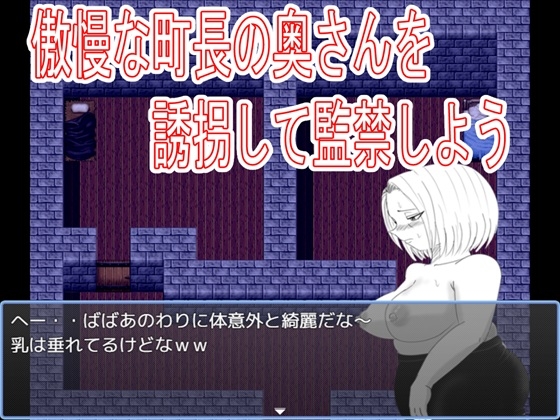
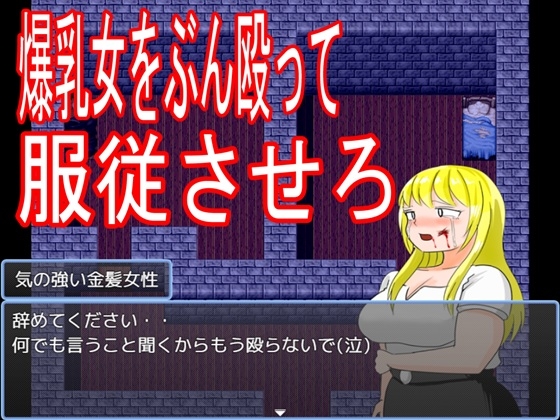
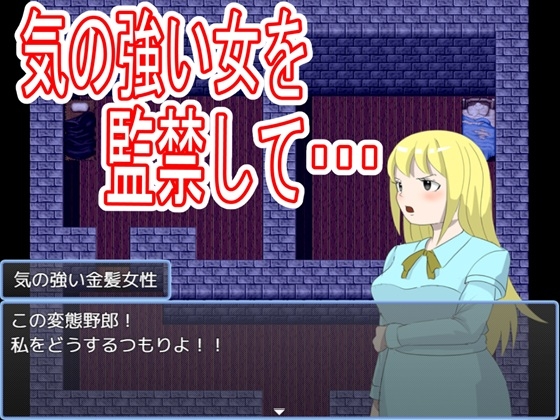



A room that locks, time with no exit, and the consent of both parties. The confinement that fiction depicts is a ritual space, a thing apart from the real crime.
Kankin (confinement) is the term for a fiction genre themed on restraining a body within a particular space, and for time-limited restraint play performed as staging under consensual SM protocols. What this article treats is a mode of expression in fictional works and role-play within consensual play with safety devices in place. It is strictly distinct from the real crime of unlawful confinement (Article 220 of the Japanese Penal Code).
Overview
In fiction, confinement denotes a narrative situation in which one character shuts another into a defined space. It is a body of settings in which the device of an enclosed space makes the psychological and physical changes of characters surface, and it has been formed into a genre. Independent subgenres have developed in literature, film, manga, and adult works.
In the context of consensual play, confinement is role-play conducted after agreeing in advance on time, space, and release conditions. Under the basic protocols shared by SM communities, SSC (Safe, Sane, Consensual) or RACK (Risk-Aware Consensual Kink), it is carried out with safety devices: a safeword that halts play immediately, time limits, and checks on health. Securing aftercare, time for physical and mental recovery, afterward is treated as standard.
The real crime of unlawful confinement is a provision punishing the unlawful restraint of a person’s freedom of bodily movement; depending on the case it can be subject to punishment regardless of consent. The descriptions here stay strictly within the cultural history of the fictional genre and of consensual play, and have nothing to do with affirming or recommending real criminal conduct.
Etymology
Kankin is a Sino-Japanese compound of kan (to watch, to police) and kin (to stop, to forbid), present in classical Chinese texts. A word that since classical Chinese carried the general sense of “restrain a body and forbid going out” was adopted as a legal term in modern Japanese.
In the development of later-twentieth-century SM culture the compound was re-articulated as a situational type in fiction. As a frequent word in SM magazines and adult fiction from the 1960s, its usage as a fetish-genre name became established. In English confinement or captivity serves as the corresponding concept, but the situation-specific shade the Japanese word carries does not fully correspond; Anglophone SM communities use the compound confinement play for similar consensual practice.
History and development
Literary sources
The confinement narrative is a classical motif found widely in world literature. The princess locked in a dungeon, the noble prisoner immured in a fortress: spatial enclosure has been a core device of epic and romance since antiquity. In Japan it settled as a motif of modern literature by way of early-modern romance and Meiji-era translated fiction.
In the twentieth century, the long novels of the French writer the Marquis de Sade (1740–1814) are cited as a starting point of the modern literary lineage themed on power relations in enclosed space. That lineage passed to Georges Bataille and to Pauline Réage’s Story of O (first French edition 1954).
Settlement in postwar SM culture
Confinement’s settlement as an SM genre in Japan starts from its development in the pages of the SM magazine Kitan Club (Akebono Shobo) in the 1950s and 60s. Works such as Dan Oniroku’s Flower and Snake (1962) were serialised, set in mansions, basements, and sealed rooms, establishing the standard type of postwar SM literature using spatial enclosure as a narrative device.
In the Nikkatsu Roman Porno films of the 1970s and the Toei SM-film line, visual expression set in the mansion basement became a fixed form. The enclosed space functioned as a film language that visualised the psychological and physical changes of characters on screen.
Expansion into manga and adult works
From the 1980s, confinement situations formed an independent genre in adult manga and fiction too. In tag systems of doujinshi and adult manga, “confinement” settled as a standalone tag and functions as a starting point for compound searches with adjacent tags such as restraint, training, and SM.
Derived forms and adjacent genres
By the time-span of the story, works divide into short-term types running from hours to days and long-term types running from weeks to years. The long-term type tends to theme the psychological transformation of characters (including Stockholm-syndrome-style developments), but this is treated as a type of fictional psychological depiction, separate from the real-world mechanism of that syndrome.
Sealed confinement is set in spaces fully cut off from outside (a mansion basement, a warehouse, a dungeon). External confinement uses physical distance (an uninhabited island, a mountain lodge) to make escape difficult.
Confinement as consensual play is carried out as time-limited containment in a cage, a small box, or a restraint chair. Prior agreement of both players, clear time limits, a safeword for emergency stop, and continuous monitoring of health are required, and play lacking these safety devices is rejected by responsible SM communities. As the riggers of the consensual-play tradition repeatedly stress, the essence of consensual play is that the one being dominated holds the initiative of the scene: the final decision to start, continue, or stop rests with the restrained party.
Cultural reference
Confinement-themed fiction is a domain requiring care in expression to avoid confusion with real crime. Many responsible authors and publishers note the fictional nature at the opening of a work, balancing freedom of expression against social consideration.
In the Anglophone romance and suspense field there is a body called dark romance, which uses the line of consent as a narrative source of tension. These are adjacent to the Japanese confinement genre while forming a distinct lineage governed by the grammar of romance.
See also
Updated
References
- 『SM no Sekai』 Mikasa Shobo (1979)
- 『BDSM: A Guide for Explorers of Extreme Eroticism』 Daedalus Publishing (1992) — An Anglophone classic on the safety protocols of consensual play.
- 『Story of O』 Jean-Jacques Pauvert (1954)
- 『Kitan Club』 Akebono Shobo (1947-1975) — A postwar SM magazine carrying confinement themes.
Also known as
- confinement genre
- captivity scenario
- confinement play
- ja: 監禁
Related
- Piercing Fetish
- Koukai Play (Public Play)
- Shussan-mono (Childbirth-Themed Genre)
- Leotard
- Masochism
- M-Seikan (Female-Led Pleasure Service)
- Height Difference Fetish
- Hazukashi Play (Embarrassment Play)
- Shiropan (White Panties)
- Reading Fetish (Dokusho Fechi)
- School-Nurse-Office Scenario (Hokenshitsu)
- Whipping Training (Muchi-Uchi Choukyou)