“Bonyū (breast milk)” works on DLsite
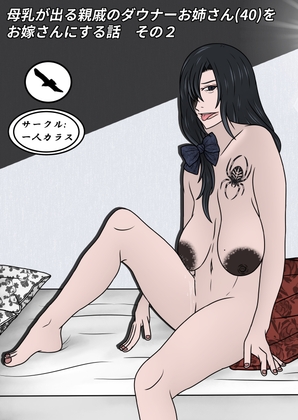
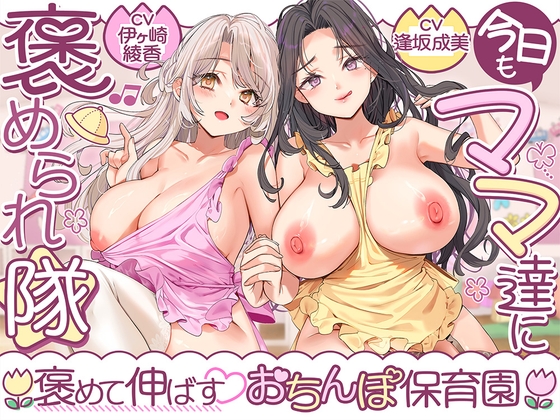



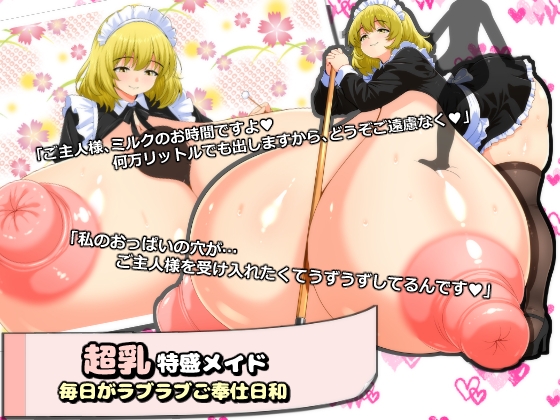

A biological substance with substantial nutritional, medical, and cultural significance, and — in adult-content production — a recognised fetish-and-thematic category. The Japanese term bonyū covers both registers, and the resulting category sits in the body-and-sensuality vocabulary at a position that bridges the medical-nutritional and the fictional-aesthetic.
Overview
Bonyū (Japanese: 母乳, bonyū; medical-formal Japanese: 乳汁, nyūjū; English: breast milk, human milk; medical-formal: lactational secretion) is the lactational secretion produced by the mammary glands of female humans (and other mammalian species) from late pregnancy through the postpartum lactation period. The substance functions as the primary nutritional source for newborns and infants in human nutrition, and is treated by the World Health Organization (WHO) and most national health authorities as the recommended primary food source for the first six months of post-partum infant nutrition.
Within Japanese-language adult-content vocabulary, bonyū additionally functions as a thematic-and-fetish-genre category in commercial adult video, eromanga, doujinshi, and eroge production. The category covers content depicting characters in a lactational state, with the lactation itself as a thematic-and-aesthetic element. The dual register of the term (medical-nutritional and fetish-genre) is clear in context, with the fetish-genre register operating exclusively within fictional-and-AV-content contexts and the medical-nutritional register operating in the broader contexts of women’s health, pediatric care, and infant nutrition.
The fetish-genre register is conceptually distinct from any real-world advocacy for or instruction in postpartum-related sexual practice. The category operates within established fictional-content production-and-reception conventions, with the genre’s responsible reception maintaining the distinction between fictional adult-content and any real-world health-and-safety considerations that might apply to actual postpartum practices.
Etymology
The Japanese compound 母乳 (bonyū) is built from 母 (bo, “mother”) and 乳 (nyū, “milk / breast”). The compound stabilised in modern Japanese medical-and-childcare vocabulary during the Meiji-period medical-translation work, with the contemporary working medical term being 乳汁 (nyūjū, “lactational secretion”) and the contemporary general-and-childcare term being 母乳 (bonyū). The everyday usage of bonyū covers the broader contexts of childcare, infant nutrition, and adult-content vocabulary.
The English-language vocabulary distinguishes breast milk (the everyday term) from human milk (the more formal-and-research term, often used in distinction to formula or other-species milk in nutritional research). The Japanese bonyū covers both English registers without the distinction between them.
Anatomy and physiology
Lactation onset
During pregnancy, the female mammary glands undergo developmental change under the influence of placental hormones (prolactin, oestrogen, progesterone). Following parturition (childbirth), the placental hormones rapidly decrease, and the prolactin-and-oxytocin system activates, beginning lactation proper.
During the breastfeeding act, the suckling stimulus from the infant produces oxytocin release, which contracts the myoepithelial cells around the milk ducts and produces the milk-ejection reflex that delivers the milk to the infant.
Milk composition
The lactational secretion has substantially-different composition across the postpartum period. Colostrum (the milk produced in the first few days after birth) is high in immunoglobulin A (IgA) antibodies, immune cells, and growth factors, and plays a central role in the newborn’s immune-system development. Mature milk (produced from approximately one week postpartum onward) shifts in composition to track the infant’s nutritional-developmental requirements.
Cultural and historical context
Breast milk in childcare history
Throughout human history, breast milk has been the standard nutritional source for newborn-and-infant feeding. The institution of wet nursing (in which a woman other than the biological mother breastfeeds an infant) has been documented across diverse social classes from royal-and-aristocratic households to working-class communities, in many cultures and historical periods. The 19th-and-early-20th-century development of infant formula (artificial milk) was a substantial transition in human childcare history.
Contemporary policy from WHO and most national health authorities recommends exclusive breastfeeding for the first six months of life, with the recognition that some combinations with formula-feeding are appropriate in particular individual circumstances. The diversification of feeding approaches with respect to individual-circumstances has been part of the contemporary policy refinement.
Religious-and-artistic representation
Breast milk and breastfeeding appear extensively in the visual-and-religious-art tradition. The Maria Lactans iconography (the breastfeeding Madonna) is a recurrent motif in Christian Western art from the medieval period onward. Buddhist and Hindu religious-art traditions in East and South Asia include analogous breastfeeding-divine-mother iconography (such as the Kishimojin tradition in Japanese Buddhism). The visual-and-religious-art representations consistently treat breast milk as a substance carrying maternal-and-life-source symbolic content, with the religious-symbolic register adding cultural depth to the substance’s biological significance.
In Japanese adult-content production
The Japanese adult-content production tradition includes a fetish-genre sub-category centred on lactational themes. The category’s contemporary form stabilised through the 1990s in parallel with the broader expansion of married-woman- and mature-woman-themed AV production, with overlapping audience-demographics and thematic elements.
The 2000s-onward AV production includes lactation-themed content as a stable independent category, with dedicated label-specialisation, jacket-illustration tagging, and performer-specialisation. Performers in the category are typically married-woman performers who have given birth and are within the postpartum lactation period; the production’s working practices coordinate with the performer’s individual lactation cycle to enable the depicted-content production.
In doujinshi, eromanga, and eroge production, lactation-themed content with pregnant or postpartum married-woman characters is a sub-genre with sustained reader-and-viewer interest. Combination-tagging with bakunyu (“explosively-large breasts”) and ninpu (pregnant) categories produces sub-categories with their own dedicated audience-segments.
Sub-forms within the fetish-genre register
Visual-aesthetic register: depiction of milk-ejection from the breast as the primary visual focus, with the visual-recordable nature of the milk-ejection providing a distinctive visual-element.
Tactile-and-act register (lactation play / nursing play): depicted nursing-related contact, with the breastfeeding act re-coded as a sexual-aesthetic act. The category overlaps with the broader adult-baby/diaper-lover (ABDL) international fetish-vocabulary in adjacent ways, with the Japanese category centred more on the nursing-from-an-adult-character element.
Nursing-handjob (junyū-tekoki): combination of the nursing act with manual stimulation of a partner, established in the 2000s as a recognised AV sub-category.
Reception structure
Several reading-frameworks have been proposed for the genre’s reception structure. Maternal-imagery readings emphasise the connection between lactation as a maternal-symbolic act and the broader cultural-symbolic register of the breastfeeding mother. Life-source readings emphasise the biological-and-symbolic significance of the breast milk as a life-sustaining substance. Rarity-and-specificity readings emphasise that the lactational state is restricted to specific phases of the female reproductive cycle, and the genre’s appeal partly tracks this temporal-restriction. Visual-recordability readings emphasise the visually-recordable nature of milk-ejection as a genre-defining visual-element. None of the readings is fully comprehensive on its own, and the genre’s reception structure likely combines multiple of these elements.
Industry-ethics considerations
The lactation-genre AV industry’s working practice operates under several specific industry-ethics considerations. The performers’ postpartum body’s recovery condition, the impact of production-related physical activity on the performer’s individual lactation cycle, and the consent-and-decision-making conditions surrounding postpartum-period industry-participation are continuing topics in industry-ethics discussion. The genre’s specific dependence on the performers’ specific physiological state places higher-than-average ethical considerations on the production’s working practice, and responsible production in this sub-genre attends to these considerations particularly carefully.
Related Terms
- Lactational secretion
- Breastfeeding
- Colostrum
- Pregnant (ninpu)
- Married woman (hitozuma)
- Mature woman (jukujo)
- Big breasts (kyonyuu)
- Explosive breasts (bakunyu)
- Nipples
- Doujinshi
Updated
References
- 『WHO Recommendations on Breastfeeding』 World Health Organization (2017)
- 『Breast Milk and Infant Nutrition』 Academic Press (2018)
- 『母乳と授乳の科学』 Ishiyaku Publishing (2018)
- 『Erotic Comics in Japan』 Amsterdam University Press (2021)
Also known as
- breast milk
- human milk
- lactation
- bonyu
- ja: 母乳
- ja: 乳汁