Kasshoku (tan-skin kink)
✎ 本文編集 (admin) 🖼 画像編集 (admin)“Kasshoku (tan-skin kink)” works on DLsite
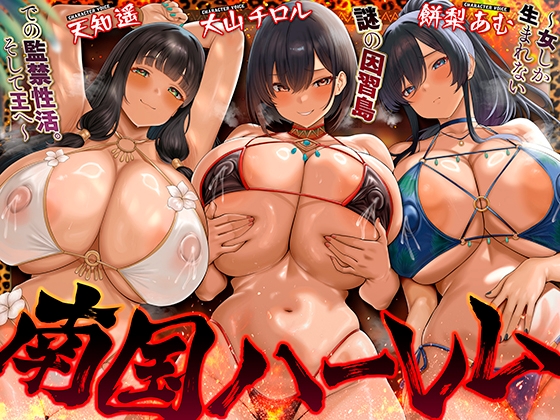
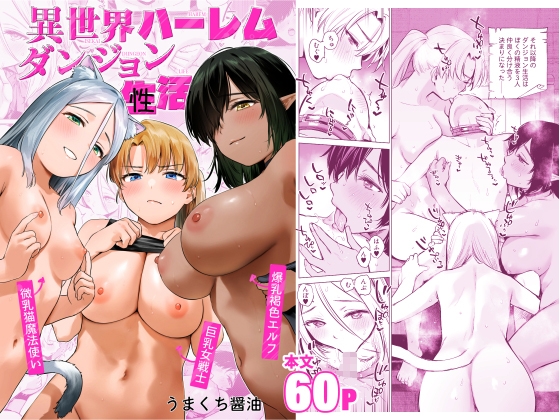
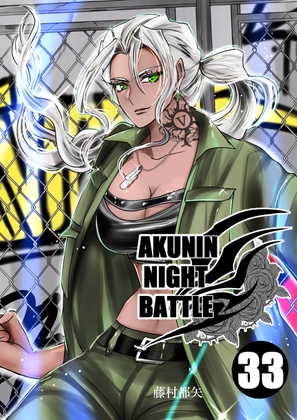
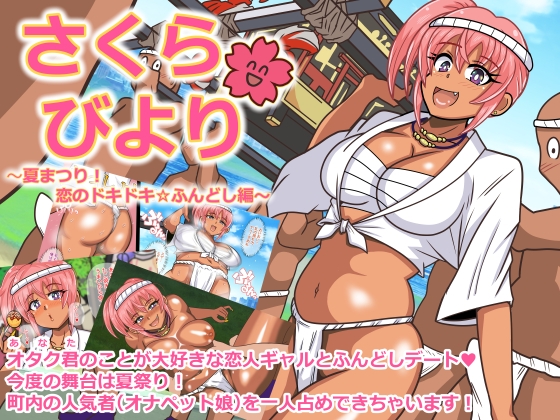
A complexion several shades darker than the cultural-default. The result of a beach holiday, a tanning-salon course, a deliberate cosmetic-styling decision, or — in the substantial 2D-art register — the artist’s deliberate character-design choice. Kasshoku is the Japanese-language category for tanned-and-sun-browned skin as an aesthetic and erotic register, with substantial subcultural-and-fan-aesthetic-theory accumulated around the category since the 1990s.
Overview
Kasshoku (Japanese: 褐色, kasshoku; English working translations: tan skin, brown skin, sun-tanned skin; cosmetic-and-fashion-vocabulary: komugi-iro “wheat-colour”, koge-cha “burnt-tea-colour”; subculture: kuro-gyaru “black-gyaru” tradition) is the Japanese aesthetic-and-fetish category for tanned, sun-browned, or cosmetically-tanned skin as an erotic-aesthetic preference. The category is anchored on cosmetic-and-stylistic skin-tone rather than on inherited-or-ethnic-skin-tone — the default reference is to skin that has been deliberately darkened through sun-exposure, tanning-salon use, or cosmetic-styling, and the category’s reading-context is in the relationship between the standard pale-skin default and the deliberately-tanned variant.
Because of this cosmetic-tan-reference, the category has a different semantic location from race-or-ethnicity-related skin-tone aesthetics in international contexts. In Anglophone discussions of skin-tone preferences, tan kink and race-fetishisation are sometimes raised as related-but-distinct categories — the former addressing deliberate-tan as cosmetic-styling, the latter addressing the more-ethically-fraught category of fetishising racial or ethnic identity. The Japanese kasshoku category sits in the tan kink register more cleanly than in the race-fetishisation register, but international audiences encountering the category should be aware of the broader cross-cultural-aesthetic-question that the corresponding category-vocabulary engages.
The category’s main contemporary anchor-points are: (1) the late-1990s and 2000s kuro-gyaru (black-gyaru) subculture, which established the cosmetic-tan-and-styling combination as a recognisable fashion-position; (2) the kasshoku-elf (dark-elf) sub-genre of contemporary fantasy-coded eromanga and eroge, which has built up a substantial 2D-character-design-vocabulary around tanned-skin fictional characters; (3) the broader sports-and-outdoor adult-content production-register, which uses tanned-skin as a signal of athletic-and-outdoor character-types.
Etymology
The term kasshoku (褐色) is built from the Sino-Japanese characters 褐 (kassu, “brown / coarse-cloth-colour”) and 色 (shoku, “colour”). The term is the standard Japanese-language colour-vocabulary word for brown and is used routinely in contexts well-beyond skin-tone discussion (the colour of leather, the colour of woodwork, the colour of certain teas). In its skin-tone application, the term ranges from light-tan to deep-brown depending on context, with the broader range encompassed by the term making it useful as a category-cover for a variety of tan-and-brown-skin-tone variants.
Adjacent vocabulary in Japanese includes komugi-iro (小麦色, “wheat-colour”) for a lighter-and-more-golden tan-tone, yake-hada (焼け肌, “burnt-skin”) for the more-deliberate sun-tanned-skin register, and kuro (黒, “black”) in the kuro-gyaru compound for the more-extreme-cosmetic-tan register. The variety of vocabulary-options for the broader category reflects both the category’s nuance-of-shading and the different contexts in which the various register-options operate.
History
1990s: kuro-gyaru and cosmetic-tan as fashion
The contemporary kasshoku-fetish category’s most-direct cultural-historical anchor is the late-1990s gyaru (gal) subculture, particularly its more-extreme kuro-gyaru (black-gal) and ganguro (“face-black”) sub-registers. The styling combined deliberately-tanned skin (often produced through tanning-salon use rather than sun-exposure), bleached-or-dyed light hair, white-cosmetics-and-eyeliner highlights, brightly-coloured clothing, and platform-shoes-and-loose-socks. The visual-style was deliberately-conspicuous-and-anti-establishment, and the corresponding cultural-positioning (counter-cultural, sexually-frank, school-rule-defiant) read as a transgression-coded fashion register.
The kuro-gyaru aesthetic produced a recognisable association between cosmetic-tan-skin and the corresponding open-and-unconstrained personality-coding. The aesthetic register became durable enough that even after the strict ganguro extreme passed out of fashion in the early 2000s, the lighter-cosmetic-tan-and-unconstrained-personality association remained a recognised cultural register, and the corresponding kasshoku-fetish attached to it.
2000s onward: dark-elf and 2D character-design
In the 2000s and 2010s, the contemporary fantasy-and-eroge production tradition developed the kasshoku-elf (dark-elf) sub-genre as a distinctive 2D-character-design vocabulary. The dark-skinned character-with-elven-features (long pointed ears, light-coloured hair, occasional fantasy-genre-specific costume vocabulary) became a recognisable character-archetype with its own substantial accumulated production. The character-archetype draws on Western fantasy-fiction’s dark-elf tradition (the Drow of Tolkien-derived Dungeons-and-Dragons mythology, and various Western-fantasy-related dark-elf traditions) but adapts the tradition into a specifically-Japanese fantasy-and-bishōjo-and-eroge-coded form.
The dark-elf sub-genre’s combinatoric resources have made it durable. Dark-elf + dark-skin + light-hair, dark-elf + warrior-character + battle-clothing, dark-elf + slave-character + bondage-narrative, dark-elf + sorceress + magic-system — each combination produces a distinct sub-form within the broader sub-genre, and the production-and-reception conventions for handling them have been continuously elaborated through the 2010s and 2020s.
Adult-content production
In commercial AV, kasshoku-bodi (tanned-body) and yake-hada (sun-tanned-skin) productions form a recognised sub-category. Productions in the surfer-and-athletic register, the southern-resort-themed register, and the cosmetic-tan-styled register operate as the principal sub-categories within the broader kasshoku register. Cosplay-themed productions sometimes incorporate kasshoku-styling for fantasy-character cosplay (dark-elf cosplay, southern-character cosplay, kuro-gyaru cosplay).
The structure of the kink
The kasshoku-fetish operates on three structural elements that distinguish it within the broader skin-tone-aesthetic spectrum.
The first is contrast and visibility. Tanned skin reads against the cultural-default-pale-skin background as a high-contrast variant, and the corresponding visual-prominence is one of the form’s structural-aesthetic features. In a visual-context where the cultural-default-is-pale, the kasshoku character reads as visually-distinctive-and-marked, with the corresponding compositional-and-narrative-attention.
The second is active-and-outdoor-coding. Tanned skin in Japanese cultural-coding signals outdoor-activity, athletics, beach-and-sun-exposure, and the corresponding active-and-energetic personality-cluster. The kasshoku character-type reads, by default-association, as active-athletic-energetic-outdoor — a cluster of personality-attributes that the broader Japanese-cultural-coding has built up around the cosmetic-marker.
The third is exotic-and-distant-coding. The cultural-coding of tanned skin in Japan has historically been linked to non-domestic-and-distant origins — the southern-Asian-tropics, the Latin-American region, the African continent, the South-Pacific islands — and the corresponding exoticism register attaches to the kasshoku aesthetic. This element is the more-ethically-fraught component of the category, and contemporary critical discussion within Japanese-and-international fan-communities has engaged with the question of the appropriate handling of the exotic-coding within the broader category.
The interaction between the three elements produces the kasshoku category’s distinctive-aesthetic-register: visually-prominent, active-and-outdoor-coded, and with an exotic-and-distant-coded element that varies in intensity across the different sub-registers. The category’s most-developed sub-registers tend to foreground the first two elements (visibility-and-active-coding) more strongly than the third, with the kuro-gyaru and dark-elf sub-genres operating predominantly in the contrast-and-active register.
Sub-categories and adjacent forms
Komugi-iro (wheat-colour): the lighter-and-more-golden tan-tone, less intense than full-cosmetic-tan, with a more-natural-looking register.
Kuro-gyaru: the deliberately-tanned subcultural-aesthetic of late-1990s and 2000s gyaru-fashion, with the broader visual-stylistic complex (cosmetic-tan + light-hair + white-highlights + bright-clothing).
Kasshoku-elf / dark-elf: the 2D-character-design sub-genre with tanned-skin-and-elven-features in fantasy-coded narrative-frames.
Yake-hada (sun-tanned-skin): the cosmetic-tan-from-sun-exposure register, particularly common in surfer-and-resort-themed adult-content production.
Athletics-themed kasshoku: the sports-and-outdoor-coded adult-content register where the tanned-skin signals athletic-character-type and outdoor-active-coding.
The corresponding pale-skin-default category is shirohada-fetish, with which the kasshoku category operates as a pair of opposite-register-aesthetic-options. The two categories’ relation is not strictly oppositional — many viewers maintain interests across both categories — but the visual-and-cultural-coding of the two categories is sufficiently-distinct that they operate as recognisable independent options within the broader skin-tone-aesthetic vocabulary.
Note on cross-cultural context
The Japanese kasshoku category, as it operates in the contemporary subcultural-and-adult-content vocabulary, is anchored predominantly on the cosmetic-tan-and-stylistic-position register rather than on the ethnic-or-racial-identity register. The category’s principal reference-points (kuro-gyaru subculture, dark-elf 2D characters, tanned-cosmetic-styling productions) treat skin-tone as a deliberate cosmetic-and-stylistic feature rather than as a marker of inherited identity.
In international contexts, the corresponding aesthetic-category is sometimes engaged in the cross-cutting tan kink versus race-fetishisation discussion, where the question of whether the corresponding aesthetic preferences attach to deliberate-cosmetic-positioning or to inherited-identity-attributes is treated as a substantive ethical-distinction. The Japanese kasshoku category, as standardly used in the Japanese subcultural context, predominantly operates in the cosmetic-positioning register and does not directly engage the ethnic-identity register; international audiences should, however, be aware of the broader cross-cultural conversation that surrounds this kind of vocabulary in Anglophone-and-Western contexts. Responsible production-and-reception of the category maintains the cosmetic-positioning register and avoids the more-ethnically-fraught register.
Related Terms
- Pale-skin fetish (shirohada)
- Kuro-gyaru (black-gyaru)
- Kasshoku (tanned skin, base term)
- Bodikon
- Cosplay
Updated
References
- 『Permitted and Prohibited Desires: Mothers, Comics, and Censorship in Japan』 University of California Press (2000)
- 『Otaku: Japan's Database Animals』 University of Minnesota Press (2009)
- 『Pretty Boys and Cosmetic Boys: Visual Constructions of Gender and Cosmetic Surgery in Japan』 Asian Studies Review (2018)
- 『The Moé Manifesto』 Tuttle Publishing (2014)
Also known as
- kasshoku fetish
- tan skin fetish
- brown skin preference
- ja: 褐色フェチ
- ja: 褐色肌フェチ
- ja: 小麦肌フェチ
- ja: 日焼け肌フェチ
- ja: 褐色萌え
Related
- Pale Skin Fetish
- Kasshoku (tan / brown skin tone)
- Dark Elf (Fantasy Character Archetype)
- Corset
- Jawline Fetish
- Blazer School Uniform
- Bodikon (Body-Conscious Fashion)
- Sexual Dimorphism Fetish (Dansa Fechi)
- Reading Fetish (Dokusho Fechi)
- Gangimari (Drugged-Face Expression)
- Hard Pounding (Gan-tsuki / Geki-pisu)
- Hikikomori Character Moe