Body Possession (Hyoui)
✎ 本文編集 (admin) 🖼 画像編集 (admin)“Body Possession (Hyoui)” works on DLsite


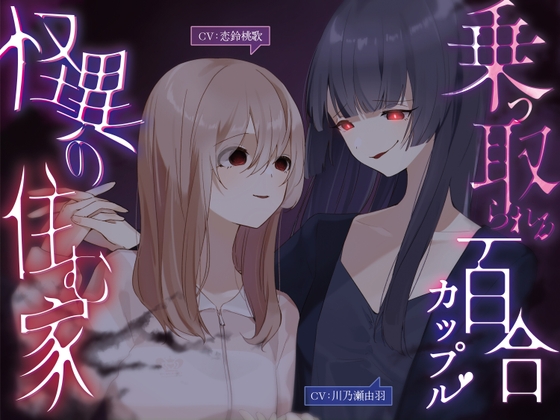


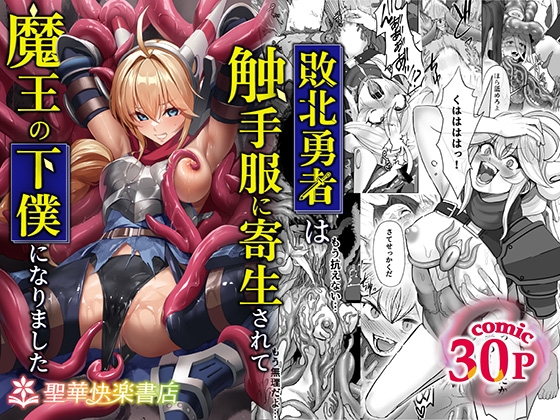
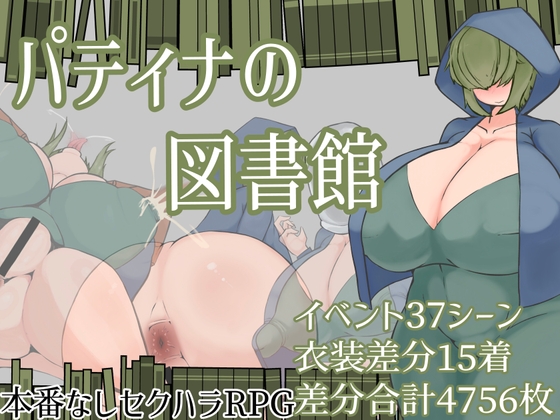
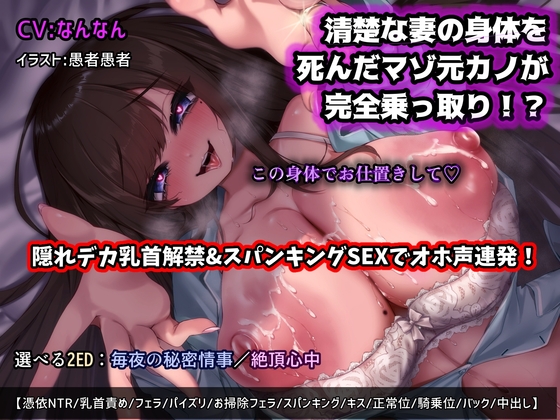
The article treats hyoui as a wholly supernatural fictional category. Body possession in the sense described here is a fictional device that does not exist in the actual world; the article describes a genre of imagined-fiction works, not any real-world practice. A consciousness leaves one body and slides into another. The character looks in the mirror and sees a face that belongs to someone familiar but is not the face the character has been wearing. As a fictional device, hyoui gives Japanese subculture an instrument for setting one’s own body aside and inhabiting someone else’s life from the inside.
Overview
Hyoui (憑依; English: body possession, spirit possession) names the situation, as a fictional theme and a fan-preference category, in which the consciousness or personality of one character moves into the body of another. The central case in adult-context use is the possession of a female body by a male consciousness, and the genre’s history runs alongside the TSF (Trans-Sexual Fiction) line in adult doujinshi and adult-game work.
The basic structure of hyoui work is separation and re-coupling of consciousness and body. At the opening, the consciousness of a viewpoint character is detached from its original body and slides into the body of another person. From that point onward, the viewpoint character’s personality acts through the borrowed body, experiencing (or invading) the original owner’s social relations — lover, family, friends — from the inside.
When the theme is combined with sexual subject matter, the most frequent target of possession is a female character to whom the viewpoint character is attracted. A male protagonist possesses a female character and experiences the sexual relationship between that character and her boyfriend or husband or family from inside her body. The format has been repeated in adult doujinshi and adult-game work many times over.
The genre is adjacent to, but importantly distinct from, the TSF line. TSF works on transformation of one’s own body; hyoui works on transposition of one’s consciousness into another’s body. What happens to the original owner’s personality — driven out, coexisting with, momentarily displaced by the possessor — is the standard branching point of individual works.
Etymology
Hyoui is a Chinese-origin compound noun in Japanese (憑依). Its base sense is the supernatural one — a spirit, a god, the soul of the dead, a fox or a tanuki taking possession of a human. The word has been in use in Japanese since at least the Heian period for spirit-possession phenomena. The subcultural use rests on that base sense and extends it through 19th- and 20th-century occult and spiritualist vocabulary and through the consciousness-transfer motifs of science-fiction novels.
In English-language usage the phenomenon is variously called body possession, spirit possession, and body swap (the last being more accurately swap: a bidirectional exchange). Where the specifically Japanese-subcultural sense is intended, the loanword hyoui is sometimes carried into English unchanged.
The use of hyoui as the name of an independent subcultural genre is dated to the 2000s. Before that, nori-utsuri (“getting on and crossing over”), ire-kawari (“swap”), and reiteki-shihai (“spiritual control”) had circulated as parallel terms.
History
Literary antecedents
Stories that work on the separation and movement of consciousness and body are recurring in world literature. Franz Kafka’s The Metamorphosis (1915), Robert Louis Stevenson’s The Strange Case of Dr Jekyll and Mr Hyde (1886), and a long line of related works are part of the broader background. In Japan, Yumeno Kyūsaku’s Dogura Magura (1935) handles the flow and dispersal of memory and personality as a major theme.
1990s–2000s: an independent doujin slot
In the subcultural domain, the hyoui theme appeared sporadically in eroge and adult doujinshi from the late 1990s, and through the 2000s gradually acquired an independent generic identity. It ran in parallel with the adjacent mind-control and hypnosis (saimin) lines and developed conventions of its own that distinguished it from them.
2010s and after: combinations with TSF and netorare
From the 2010s onward, hyoui multiplied through combination with adjacent genres. TSF × hyoui (a male consciousness obtains a female body), netorare × hyoui (the viewpoint character possesses the body of a target heroine’s boyfriend or husband and experiences the relationship from inside), saimin × hyoui, and other set combinations are now the most common forms of the genre.
2020s: a doujin mainstream
In the DLsite and FANZA doujin search tags through the 2020s, works flagged hyoui have held a continuous presence in the upper bands of the rankings. The male-consciousness-into-female-body sub-line, in particular, has established itself as a separately identifiable category from TSF and is consumed as its own genre.
Sub-archetypes
TS hyoui
A male consciousness possesses a female body. The two sub-branches are driving out the original personality and coexisting with it (two consciousnesses in one body running in parallel). The viewpoint character’s experience of “being female” in a sexual scene is the centre of the format.
Netorare hyoui
The viewpoint character possesses the body of the male partner (boyfriend, husband) of a target heroine and experiences the existing relationship from the inside. From the heroine’s perspective nothing has changed: she is having sex with her partner. From the viewpoint character’s perspective there is a doubled structure: he is borrowing another man’s body to make the relationship happen. The structure stands close to the netori line.
Bidirectional swap
The viewpoint character and a target character exchange bodies bidirectionally. Each experiences the other’s life. The format crosses partially with the body-swap narrative tradition of mainstream Japanese fiction (Shinkai’s Kimi no Na wa., Obayashi’s Tenkōsei).
Forced control
The original personality is displaced and the body is fully taken over. The format runs close to the mind-control and hypnosis lines in expressive surface.
Reception
The central account of why hyoui works as a theme runs through the compensation for the impossibility of inhabiting another person’s experience. To inhabit someone else’s body, someone else’s social relations, from the inside is structurally impossible in the actual world; hyoui offers it as a fictional device.
In the sexual register, the centre of the configuration is the viewpoint character is the desired character. Borrowing the body of a desired character to experience a sexual relationship means experiencing that character not only as the object of desire but as the subject of sensation (the one who feels). The doubled viewpoint — desiring as oneself, feeling as her — is the specific structural pleasure the genre claims for itself.
The relation to TSF and to gender-reassignment themes has, in recent gender-studies discussion, become a topic in its own right. The repeated use of body-possession and body-exchange as fictional devices is itself a way in which subcultural production thematises the fluidity of gender categories, and the critical literature has begun to take this seriously.
Related terms
Updated
References
- 『Erotic Comics in Japan: An Introduction to Eromanga』 Amsterdam University Press (2021)
- 『Eromanga Studies』 East Press (2006) — Reference treatment of the doujinshi-side genres including possession, TS, and adjacent supernatural formats.
- 『Beautiful Fighting Girl』 University of Minnesota Press (2011)
- 『The World of Hentai: A Cultural History of Sexual Anime』 Routledge (2019)
Also known as
- body possession theme
- spirit possession in adult fiction
- hyoui genre
- ja: 憑依
- ja: 憑依もの
Related
- TSF (Gender-Transformation Genre)
- Netorare (NTR)
- Netori (perspective-shifted netorare)
- Saimin (Hypnosis Genre)
- Doujinshi
- Eroge
- Haiboku (Defeat-Themed Genre)
- Rule 34 (If It Exists, There Is Porn of It)
- Yaoi
- Mind Break (Hentai Tag and Narrative Type)
- Gothic Lolita
- Menhera (Emotionally Unstable Archetype)