Onsen Play (Hot-Spring Scenarios)
✎ 本文編集 (admin) 🖼 画像編集 (admin)“Onsen Play (Hot-Spring Scenarios)” works on DLsite
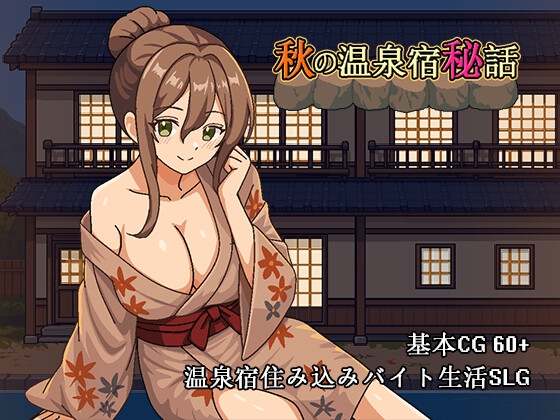
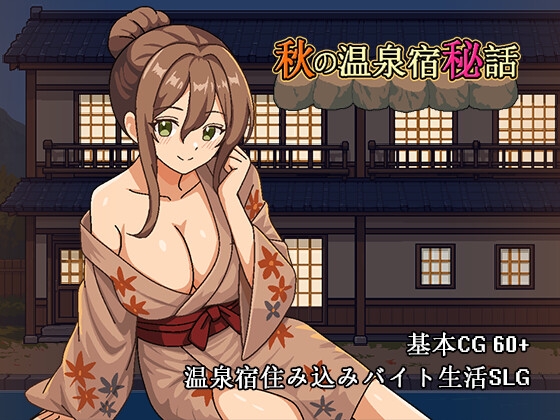
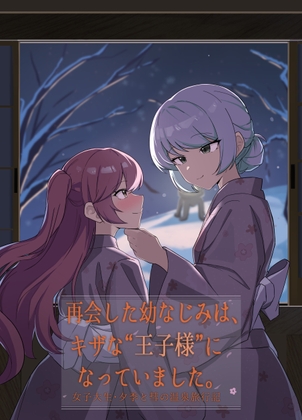
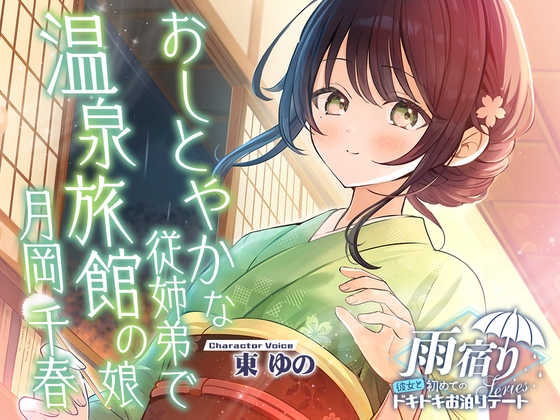
Steam rising past a shoulder, a yukata sash falling onto tatami, the rectangle of the open window framing a black mountain at night. Onsen play is the situation genre that lets Japanese adult video borrow, in a single shot, the entire cultural memory of the hot-spring inn.
Overview
Onsen play (Japanese: 温泉プレイ, onsen purei; also onsen sex, rotenburo play) is a Japanese adult-video situation genre staged at hot-spring inns (onsen ryokan) and open-air baths (rotenburo). It is not a category of sexual act in itself: the acts performed within a typical onsen-play title overlap entirely with those of any other production. The genre is defined instead by setting, costume, and visual vocabulary, anchored by the iconography of the Japanese hot-spring resort: steam, yukata, tatami flooring, the cypress bath bucket, the futon laid out on the floor, the view of a mountain or river through a paper-screen window.
The genre travels under several adjacent industry tags: onsen-loke (“on-location at an onsen”), onsen-ryokou mono (“hot-spring travel productions”), onsen-furin (“hot-spring affair”). FANZA, MGS, and the rest of the major Japanese distribution platforms maintain it as a cluster of related tags rather than a single category. The form has roots in earlier media: the 1970s pink-film cycle produced a substantial run of onsen-geisha and onsen-stripper titles, and the hot-spring location has been a standard adult-video setting since the industry’s establishment in the 1980s.
The onsen as cultural-memory device
Onsen play works by association rather than by display. The hot-spring inn carries, for Japanese audiences, a thick layer of biographical and cultural memory: honeymoons, company trips, the rare night that a married couple spends alone together. The setting does not directly intensify the sexual content of a scene; it lowers the surrounding tension and produces a framework in which characters can plausibly be “not their everyday self”.
This is why the genre has had a particularly strong relationship with affair, married-woman, and netorare productions. A wife who has travelled to an onsen with a man who is not her husband is already in transit out of ordinary social space; the ritual sequence of arrival, bath, yukata change, evening meal, sake, and futon being laid out functions as an extended preliminary, during which the viewer’s nervous system is also led through release. The onsen scenario is a long, slow, structurally embedded form of foreplay built into the cultural setting itself.
Production grammar
On-location filming at a Japanese hot-spring inn follows a number of standard shot patterns. Most onsen-play titles open with an arrival sequence: the inn’s okami (proprietress) or nakai (room attendant) greets the guests in formal mode, the room is shown, a wide shot through the window establishes the landscape.
The bath sequence relies on the cooperation between camera and steam. The lower half of the frame is reliably obscured by rising steam, and the performer’s body is shown through a partial veil rather than directly. After the bath, the standard transition runs through flushed skin, wet hair-ends, and the heat-flush that follows immersion before the production cuts to the room and the futon.
In the room itself, the action of undoing the yukata sash is conventionally given its own shot. The slow release of the sash onto tatami, the slide of the collar from the shoulder, and the geometry of the open garment all create a different undressing tempo than Western attire allows. This slow undressing is the practical reason the onsen setting is preferred for productions that want a long, deliberate preliminary sequence.
Subgenres
Several distinct sub-genres operate within the onsen-play umbrella.
The open-air bath (rotenburo) subgenre is staged in outdoor baths and frequently incorporates mixed-bathing scenarios, private-rental scenes, or voyeur-adjacent narratives. The exposure to the outdoor environment adds a layer of public-private play that the indoor bath cannot supply.
The onsen-ryokan affair subgenre is the canonical setting for netorare and married-woman productions; the inn becomes the practical space in which an affair can plausibly run for a full night without the social risks that a city hotel would impose.
The onsen-geisha subgenre traces back to pre-war and early postwar entertainment culture, in which female entertainers at hot-spring resorts performed in a register that sat between the geisha and the shofu (prostitute). This is the historical line that produced the 1970s pink-film output.
The okami mono subgenre centres the proprietress or nakai of the inn as protagonist, typically in jukujo and married-woman productions.
The company-trip onsen subgenre stages encounters between colleagues during the obligatory annual shain ryoko (company trip), exploiting the workplace-out-of-place dynamic.
Historical background
The link between hot-spring resorts and sex work runs back to the Edo-period tojiba (long-stay therapeutic bath) tradition, in which extended-stay inns were staffed by meshimori-onna (literally “rice-serving women”), who provided sexual services as part of the standard offering. The hot-spring resort functioned as a semi-licensed pleasure quarter through much of the early-modern period.
In the Meiji and Taisho periods, as the modern hot-spring tourist resort emerged, places like Atami, Ikaho, and Kusatsu became standard destinations for honeymoons, geisha entertainment, and discreet meetings with mistresses. The cultural memory the modern adult-video genre draws on is structured by this longer history.
The postwar pink-film boom of the 1960s and 70s produced a substantial cycle of onsen-geisha and onsen-stripper films, and the adult-video industry that emerged from the 1980s inherited the location and the visual vocabulary. The relationship between regional onsen tourism and the adult-video production industry has, at the local level, sometimes been described as quietly symbiotic: declining hot-spring towns have on occasion tolerated location shoots as a source of reliable off-season bookings.
Why it sustains
The genre has held a stable place in Japanese adult video for four decades, and the reasons combine cleanly with the wider culture.
First, the onsen is a piece of collective biographical memory for most Japanese viewers. Honeymoons, family trips, and rare time alone with a partner are routinely associated with hot-spring travel, and the setting carries those associations into any scene staged within it.
Second, the costume and prop economy of the onsen-play setting is well-matched to Japanese visual-fetish tastes. The yukata, the tatami, the futon, the cypress bath bucket are all objects of the chakui (clothed-eroticism) tradition; the slow rhythm of undressing a yukata is structurally different from undressing Western dress.
Third, the closed-world geography of a hot-spring inn produces narrative plausibility for affair and transgressive-encounter stories. The inn is far enough from home, the social geography is private enough, and the night is long enough to support a kind of narrative density that a hotel scene cannot easily produce.
See also
Updated
References
- 『Nihon Onsen Bunka-shi (A Cultural History of Japanese Hot Springs)』 Akashi Shoten (2018)
- 『Kanko to Sei: Kindai Nihon ni okeru Onsenchi no Fuzoku-shi (Tourism and Sex: A Customs History of Modern Japanese Hot-Spring Resorts)』 Chikuma Shobo (2003)
- 『AV Danyu no Shakaigaku (Sociology of the AV Male Performer)』 Takarajima (2014)
- 『Pink Eiga: The Cinema of the Pink Film』 FAB Press (2008) — Includes treatment of the 1970s onsen-geisha and ryokan-set pink-film cycle.
Also known as
- hot spring play
- onsen sex
- ryokan scene
- ja: 温泉プレイ
- ja: 温泉セックス
Related
- Isekai genre (Japanese fantasy/adult setting)
- Pure-love genre (junai-kei)
- Kichiku-kei (brutal-abuse genre)
- Mahou-mono (Magic-Themed Genre)
- Flight Attendant Genre (Stewardess Theme)
- Chikan-Themed Train Media (Fictional Adult Genre)
- Outdoor Sex
- Machi-Nanpa (Street Pickup AV)
- Priest/Nun Theme (Shisei-mono)
- Dark Elf (Fantasy Character Archetype)
- Mind Break (Hentai Tag and Narrative Type)
- Oyakodon (Mother-Daughter Threesome Trope)