“Chakui (clothed sex)” works on DLsite
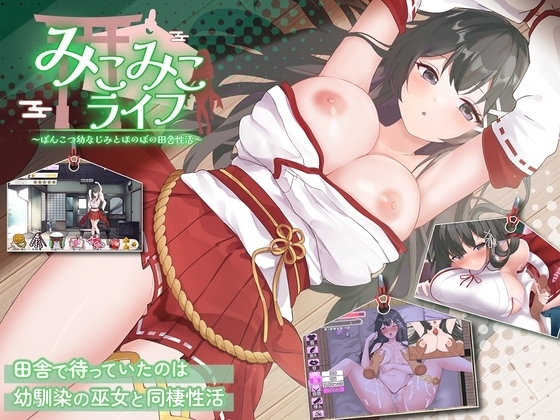

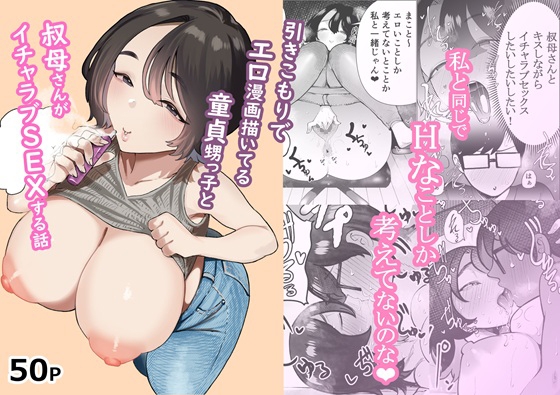
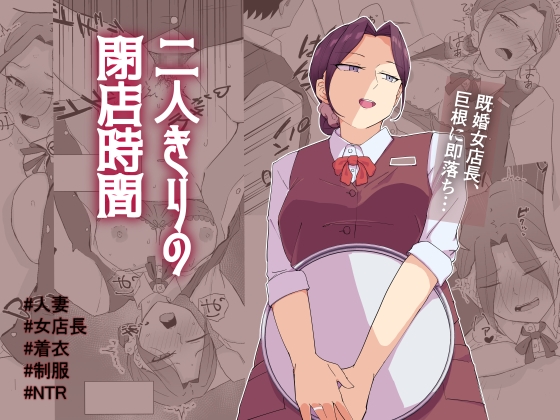
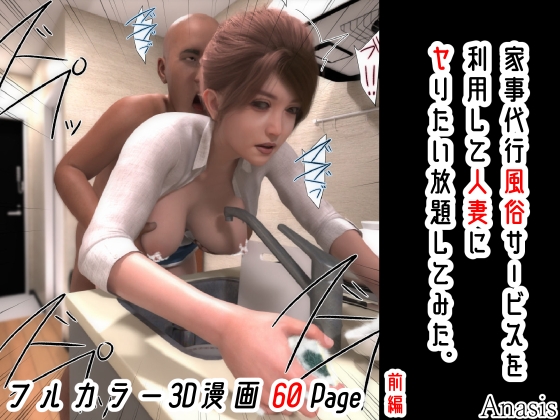
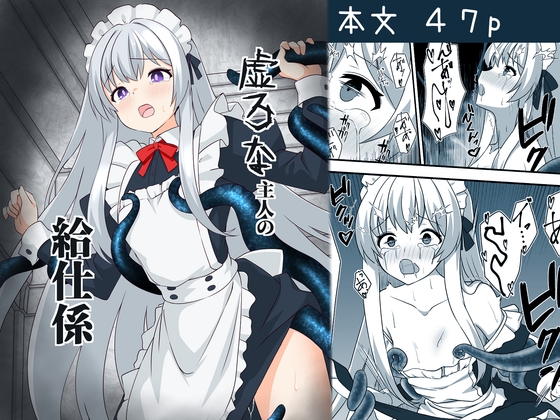
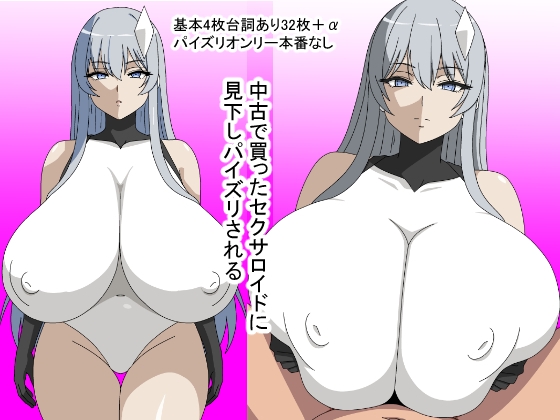
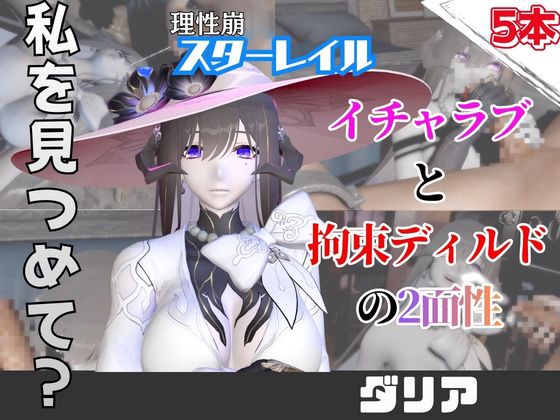
Clothing remains on the skin while the act proceeds. The act of omission becomes the visual-and-psychological mechanism. The Japanese kink-vocabulary identifies sustained sexual or aesthetic interest in this configuration as chakui, and the resulting category sits in the kink-vocabulary at a position with substantial costume-fetish overlaps and a distinct procedural-and-conceptual profile.
Overview
Chakui (Japanese: 着衣, chakui; English working translations: clothed sex, clothed play, fully dressed intercourse) is the Japanese kink-aesthetic category and adult-content sub-genre in which the participants engage in sexual activity while remaining clothed. The category sits within the broader costume-fetish vocabulary as one of several sub-categories distinguished by which configuration of clothing is foregrounded.
The category-defining premise is the maintenance of clothing through the sexual scene, with the resulting visual configurations producing distinctive aesthetic effects: the contour of the body emphasised through the cloth, the visible disorder and partial-tearing of clothing, the retention of the socially-coded role-marker that the clothing signals.
Distinction from English clothed sex and from chakuero
The English vocabulary clothed sex refers to the basic descriptive fact that one or both partners are clothed during the sexual act. The category does not, in English usage, typically operate as an articulated kink-aesthetic category with its own production tradition, except in the sub-categorical labels CFNM (clothed female, nude male) and CMNF (clothed male, nude female).
The Japanese chakui operates as a substantially-more-articulated kink-aesthetic-category with its own production tradition, sub-genres, and tagged-classification system. The category-position is distinct from the adjacent chakuero (着エロ) category: chakuero refers to costume-and-erotic visual-aesthetic productions (typically video-and-photo productions emphasising clothed-and-erotic visual presentation), while chakui refers to the act-time clothing-retention configuration. The two categories overlap substantially but have distinct primary-focuses.
The Japanese vocabulary’s articulation of these sub-categories — each with its own production tradition — represents a finer-grained sub-categorisation than the comparable English vocabulary supports.
Etymology
The compound 着衣 (chakui) is built from the Sino-Japanese characters 着 (chaku, “to wear / attach”) and 衣 (i, “garment / clothing”), with the literal sense of “wearing-clothing / worn-clothing”. The compound has a long classical-Chinese background in general non-erotic register, where it described the everyday fact of wearing clothing.
The SM-and-fetish-vocabulary application of the compound stabilised through the late-20th-century Japanese fetish-vocabulary development. Adult magazines and adult comics from the 1980s-onward periods adopted the compound as a recognisable sub-category-label. The compound has remained in standard Japanese-language general-vocabulary for non-erotic register through to the present.
The English-equivalent vocabulary uses clothed sex as the general-category-name. The articulated sub-category labels CFNM (clothed female, nude male) and CMNF (clothed male, nude female) circulate in English fetish-community-vocabulary with substantial weight. These English sub-categories distribute attention according to which-partner-clothed configuration in a way that the Japanese chakui does not centrally do: the Japanese term applies to either-or-both partner clothed.
Historical context
Pre-modern visual tradition
Clothing-retained-during-the-act sexual depictions appear across multiple traditions of world art and literature. Roman fresco painting, medieval Japanese shunga, and early-modern European rococo painting each include configurations corresponding to the chakui register. Edo-period shunga prominently used the kimono-front-parted configuration, with the kimono retained around the body and only the front-opening allowing the act to proceed. The Edo-period configuration is a direct ancestor of the contemporary chakui tradition within the longer Japanese visual-arts lineage.
Postwar adult-content development
In postwar Japanese adult-content production, clothing-retained-during-act configurations stabilised as a standard production element from an early period. SM magazines of the 1950s, Nikkatsu Roman Porno cinema of the 1970s, and adult comics-and-doujinshi of the 1980s-onward period each employed the configuration as a standard scene-element.
The major sub-categories of school-uniform chakui, OL-suit chakui, and swimsuit-chakui developed as distinct production-traditions, each specialising the chakui register to a particular costume-and-social-role context.
Commercial sub-genre crystallisation
From the 2000s onward, AV, adult-comics, and doujinshi production established chakui as an independent commercial sub-genre with dedicated labels, anthologies, and tag-classifications. Search-tag systems on adult-comics-and-doujinshi platforms operate chakui, chakui sex, chakui play as independent tags supporting combined-tag search alongside school uniform, stocking, OL, and married-woman tags.
Structure of the kink-aesthetic
The chakui category operates through several distinguishable structural-mechanisms.
Symbolic-omission
The kink-aesthetic’s structural mechanism is the omission of the body-region from direct visual access. The viewer-or-reader’s imagination fills in the omitted region. The omission-as-visual-mechanism produces an indirect-imagination-activation that direct-depiction does not produce. The configuration is, in this sense, a paradox-of-the-non-visible: the visual-strength comes from what is not shown.
Social-role retention
The clothing carries social-coding: school uniform indexes student-status, business-suit indexes office-status, swimsuit indexes leisure-status, kimono indexes traditional-and-formal-status. The retention of the clothing through the sexual scene retains this social-role-marker through the scene, producing a productive tension between the social-role and the sexual-content.
The school-uniform chakui produces the tension between schoolgirl-status and sexual-act. The OL-suit chakui produces the tension between office-worker-status and sexual-act. The kimono-chakui produces the tension between traditional-formal-status and sexual-act. Each costume’s pre-existing social-coding becomes a load-bearing element of the sexual scene’s affective structure.
Disordered-clothing
The chakui scene’s standard visual-vocabulary includes disordered clothing: the shirt-tail untucked, the stocking laddered, the buttons partially-unfastened, the costume locally-torn or partly-displaced. The visual-vocabulary of disorder operates as a temporal-marker: the progression of the scene is visible through the progressive disordering of the clothing. The completed-undress-state would mark scene-end; the partial-disorder-state marks scene-progress.
Partial-exposure configurations
The chakui register accommodates partial-exposure configurations: panties absent under retained skirt (no-pan chakui), bra absent under retained shirt (no-bra chakui), garter-belt-only configurations under retained outer garments. The combination of full-clothing-appearance with selective-absence produces a layered configuration that is itself a recognised sub-form.
English-vocabulary equivalents
The Western fetish-vocabulary uses CFNM (clothed female, nude male) and CMNF (clothed male, nude female) as articulated sub-categories within the broader clothed-sex framing. The English sub-categories foreground the gender-asymmetry as the primary classifying-axis, with the resulting configurations operating distinctly:
- CFNM: the dominant-female configuration, with female-clothed-and-male-nude. Operates within the broader chijo-and-dominant-female aesthetic in Japanese vocabulary.
- CMNF: the female-nude-and-male-clothed configuration, with the male-clothed-figure as a power-asymmetry-asserted dominant position.
The Japanese chakui term does not operate the same gender-asymmetry-foregrounding, applying to either-or-both partner configurations. The two vocabularies represent different categorisation-axes for substantially-overlapping but distinct underlying configurations.
Sub-forms and variants
Costume-based sub-categories
- School-uniform chakui: schoolgirl-in-uniform configuration.
- OL chakui: office-worker-in-business-suit configuration.
- Swimsuit chakui: swimsuit-retained configuration.
- Kimono chakui: traditional-Japanese-clothing configuration.
- Sportswear chakui: tracksuit, gym-uniform, or sports-uniform configuration.
- Winter-clothing chakui: coat, sweater, or heavy-outerwear configuration.
Mode-of-disorder
The standard scene-vocabulary includes shirt-tail-disorder, stocking-laddered-disorder, button-partial-disorder, costume-partial-tear, and similar. Each disorder-mode signals different scene-progress and different production-thematic register.
Cultural and aesthetic context
The representation-theory of omission
The chakui category is, from a representation-theory perspective, an interesting case of an erotic configuration in which the omission of direct depiction operates as the central erotic mechanism. The configuration provides a clear case for the broader analysis of how indirect-and-suggestive depiction can outperform direct-and-explicit depiction in certain reception contexts. The category sits within the broader Japanese aesthetic-tradition of yūgen (幽玄, “subtle profundity”) and iki (粋, “refined understatement”) at a position with substantial conceptual-aesthetic resonance.
Costume social-coding
The category’s reliance on costume social-coding makes it a productive site for analysis of how erotic-content interacts with broader cultural-status-marking. The configurations specifically activate the tension-between-social-role-and-sexual-content as the principal affective mechanism, making the category a substantial site for the analysis of how everyday-clothing operates as a system of cultural-and-erotic signification.
Related Terms
- Chakuero
- School uniform (seifuku)
- Stocking
- High heels (heel)
- OL (office lady)
- Hitozuma (married woman)
- Cosplay
- Exposure (roshutsu)
Updated
References
- 『Sex and Suits』 Knopf (1994)
- 『Adorned in Dreams: Fashion and Modernity』 Virago (1985)
- 『Hentai Manga! A Brief History of Pornographic Comics in Japan』 Fakku (2019)
- 『The Fashion System』 Jonathan Cape (1967)
Also known as
- clothed sex
- clothed play
- fully dressed intercourse
- CFNM
- CMNF
- chakui
- ja: 着衣
- ja: 着衣プレイ
- ja: 着衣セックス