Kimono
✎ 本文編集 (admin) 🖼 画像編集 (admin)“Kimono” works on DLsite
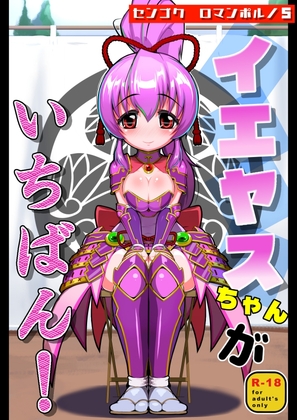
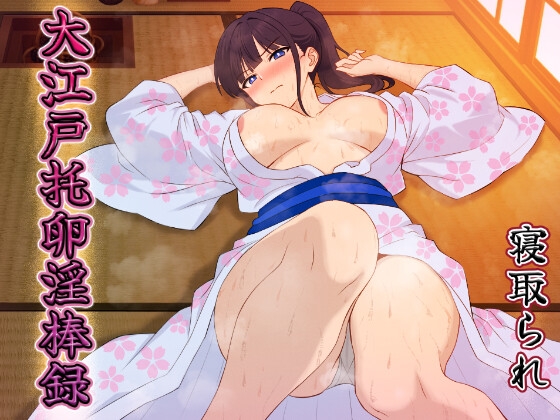
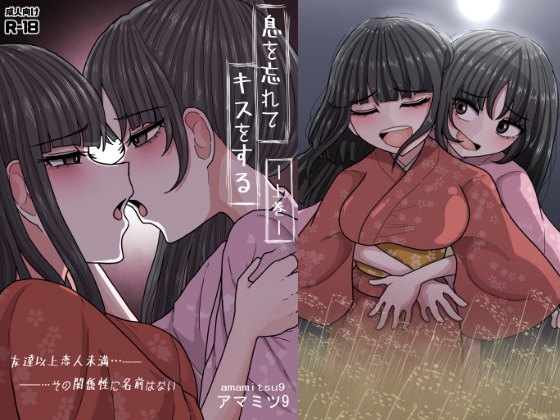
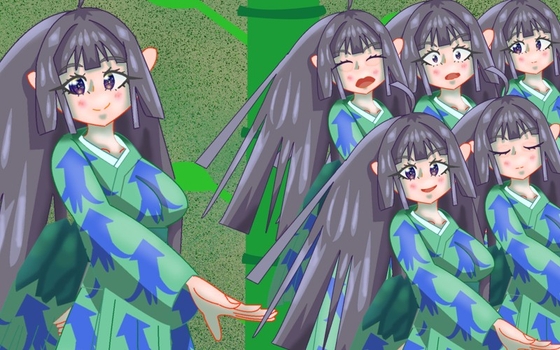
The act of untying the obi-sash carries a layered set of cultural-signs in a single motion. The Japanese traditional-dress vocabulary has spent more than a millennium codifying a costume-system in which the act of being-tied and the act of being-untied carry different significations. Kimono (Japanese: 着物, kimono; English: kimono; etymologically “thing one wears”) is the generic name for Japanese traditional dress and the parent-category of the contemporary wafuku-aesthetic vocabulary.
Overview
In broad usage, kimono denotes Japanese traditional dress in general. In contemporary narrow usage, kimono denotes the formal-and-semi-formal women’s wafuku categories (furisode, tomesode, hōmongi, komon, and the related sub-categories), the men’s wafuku, and the seasonal-and-occasion variants. The structural-features of the kimono include the long full-length body with the open sleeves (tamoto), the left-over-right collar-crossing (migi-mae), and the fitted-length tailoring with the obi-sash at the waist.
In contemporary adult-content fetish-vocabulary, kimono operates as the parent-category of the wafuku-costume vocabulary, with the more specific variants (yukata, miko attire, fundoshi, and the wedding-attire categories) operating as sub-categories within the broader kimono-aesthetic. The fetish-aesthetic of the kimono itself centres on the costume-removal sequence and the partial-disarrangement (襟元が乱れる, eri-moto ga midareru, “the collar-front falls into disorder”) that the costume-architecture makes possible.
Etymology
Kimono (着物) is a native-Japanese compound of the verb 着る (kiru, “to wear”) in its connective form 着 + 物 (mono, “thing”). The literal sense is “thing one wears”, and the compound originated as a general-purpose vocabulary for clothing of any kind in the Heian and medieval Japanese periods. The narrowing of the term to Japanese-specific-traditional-dress (as distinct from imported Western dress) stabilised in the Meiji-period clothing-modernisation transition, alongside the introduction of yōfuku (Western dress) as the contrast-category.
The English kimono was borrowed from Japanese in the late 19th century alongside the broader European-and-American encounter with Japanese cultural production through the Meiji-era cultural-exchange. In contemporary English usage, kimono names the Japanese traditional-dress category broadly, with the Japanese internal distinctions (furisode, tomesode, etc.) generally not maintained in non-specialist English-language usage.
Gofuku (呉服) is the related vocabulary-term for the silk-textile materials used in kimono manufacture and the kimono-trade industry. The term originated from the Chinese kingdom of Wu (呉, Go), the historical source of the textile-tradition that the Japanese kimono-industry inherited.
History
Ancient through medieval
Japanese clothing-forms developed through the ancient period of kantōi (poncho-like dress) and two-piece dress, with influences from Chinese and Korean clothing-traditions. The Nara-period Yōrō Clothing Code (養老衣服令, 718 CE) provided the institutional baseline for official-dress regulations in early Japan[citation needed].
In the Heian period, the aristocratic jūnihitoe (twelve-layered robe) developed as the formal-court dress style for women, while the commoner-class wore the more practical kosode (narrow-sleeve) as everyday wear. The medieval rise of the warrior class extended the kosode to official-class use, and the kosode became the structural prototype of the later kimono.
Edo-period codification
The Edo period brought the kimono to substantially its modern form. Gender, status, occasion, and seasonal differentiation in pattern-and-fabric stabilised across the period, with weaving, dyeing, and embroidery techniques developing in parallel. The samurai, merchant-class, agricultural, and artisanal sub-cultures each developed their kimono-aesthetic within the regulations governing their respective social positions.
From the late Edo period through the late Tokugawa era, the merchant-class urban culture brought the kimono to its visual peak. Shunga and ukiyo-e provided the record of the kimono-design diversity of the period and are now principal sources for modern kimono-history research.
The kimono-tradition was particularly tied to Yoshiwara and the urban courtesan culture, with the courtesans’ uchikake, obi, and hair-decorations functioning as the trend-setting fashion-forward configuration that the general-female-public followed. The three centres of the Edo kimono-culture (the courtesan-quarters, the kabuki-theatre world, the merchant-class) operated in parallel and cross-influenced one another.
Modern reduction
The Meiji-period official-dress modernisation gradually displaced the kimono from its everyday-dress role. The early-20th-century pre-war period retained substantial kimono everyday-use across both genders, but the postwar period (1950s-1960s) brought a rapid shift toward Western-style everyday-clothing, with the kimono moving to special-occasion clothing by the 1960s.
In contemporary Japan, the kimono is principally an occasion-and-ceremony costume (weddings, funerals, coming-of-age ceremonies, graduation ceremonies, new-year shrine-visits, traditional cultural events). The professional kimono-use is restricted to specialist roles (tea-ceremony, flower-arrangement, traditional-arts instruction, ryōtei-restaurant service). The kimono-tradition persists through the traditional-craft industry, traditional-event continuance, and the cultural-diplomacy and tourism uses.
International recognition
The kimono has been the subject of international cultural-attention since the late-19th-century Japonisme period, with the costume’s structural and aesthetic conventions recognised across European and American cultural-production. The 20th-century international-fashion has periodically drawn on the kimono’s structural and aesthetic vocabulary, with designers ranging from Paul Poiret through Yves Saint Laurent to contemporary international design houses incorporating kimono-derived elements[citation needed].
Position in contemporary adult-content fetish-vocabulary
The kimono’s aesthetic-fetish-stability in contemporary Japanese adult-content production rests on several structural reasons.
First, the removal-and-disarrangement narrative. The multi-layer architecture of the kimono (collar, obi, sleeves, obi-age and obi-jime supporting accessories) provides a rich vocabulary for the costume-removal sequence to be staged as a narrative-event. The conventions of “the obi falls open”, “the collar-front falls into disorder”, “the sleeves unwind” function as kimono-specific narrative-events without direct equivalents in Western dress.
Second, the combination of traditional-purity-signification and erotic-suggestion. The kimono signs the traditional-formal-cultural register, with the costume’s primary cultural-coding being one of traditional-purity-and-decorum. The exposed-white-skin of the nape, the wrist visible from the sleeve-opening, the briefly-visible collar-line all then operate as the hide-while-suggesting aesthetic that the costume-architecture engineers.
Third, the mature-female character-typology assignment. In contemporary Japanese subcultural production, the kimono is conventionally assigned to mature-female character-typologies (hitozuma, gibo, gishi). The combination of the mature-female register with the kimono’s traditional-formality produces a recurring stereotyped configuration that has stabilised across the subcultural-production.
Subcultural configurations
The standard configurations in contemporary Japanese adult-content production include:
Married-woman wafuku scenes: kimono-wearing mature-female characters (hitozuma, gibo) in the Japanese-room, formal-seating, tea-ceremony settings. The kimono provides the formal-dignity register that the character-type requires.
Miko scenes: shrine-and-ritual settings with the miko attire (white robe with red hakama). One of the standard wafuku sub-categories, detailed in the miko entry.
Historical-period scenes: warrior-class wives, merchant-class wives, courtesans, geisha in Edo-period or Meiji-period historical-period settings. The historical-period framing provides the basis for the kimono-aesthetic configuration.
Ceremonial-occasion scenes: furisode, tomesode, and bridal-uchikake in coming-of-age, wedding, and new-year ceremonial settings.
Standard form-categories
The principal form-divisions in the kimono-system include:
- Furisode: the maximum-formality unmarried-female kimono with long swinging sleeves.
- Tomesode: the formal married-female kimono with short sleeves.
- Hōmongi: the semi-formal visiting-wear kimono.
- Tsukesage: the simplified-formal kimono, less formal than the hōmongi.
- Iromuji: the solid-colour semi-formal kimono.
- Komon: the all-over-pattern everyday kimono.
- Tsumugi: the silk-thread-woven everyday kimono.
- Uchikake: the maximum-formality wedding overcoat.
- Men’s kimono: the men’s-specific formal and semi-formal forms.
- Yukata: the summer single-layer informal kimono.
Related Terms
- Clothing-on (chakui)
- Cosplay (kosupure)
- Yukata
- Fundoshi
- Miko
- Sister-in-law (gishi)
- Stepmother (gibo)
- Married woman (hitozuma)
Updated
References
- 『Kimono: Fashioning Culture』 Yale University Press (1993)
- 『Imperial Japan at Its Zeniths: The Wartime Celebration of the Empire's 2,600th Anniversary』 Cornell University Press (2010) — Includes discussion of wartime kimono regulation.
- 『日本服飾史』 Tokyo-dō Shuppan (2013)
- 『The Book of Kimono』 Kodansha International (1986)
Also known as
- kimono
- Japanese traditional dress
- wafuku
- ja: 着物
- ja: 和服
- ja: 呉服