“Inkya-kei (Introverted-Character Type)” works on DLsite
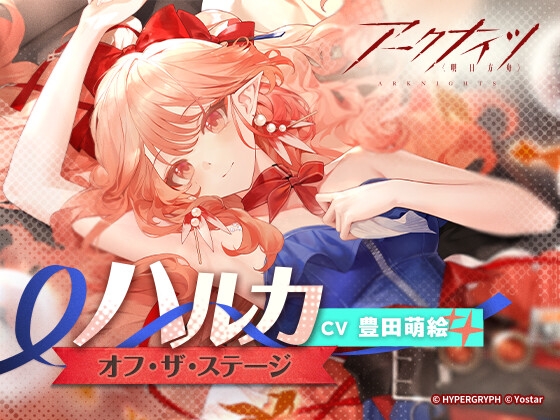
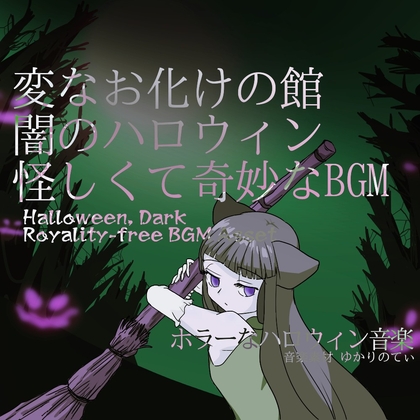
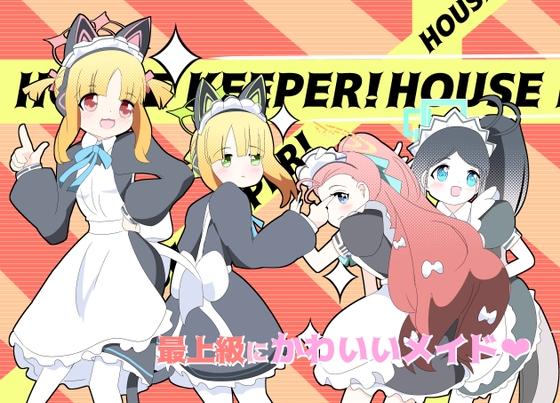
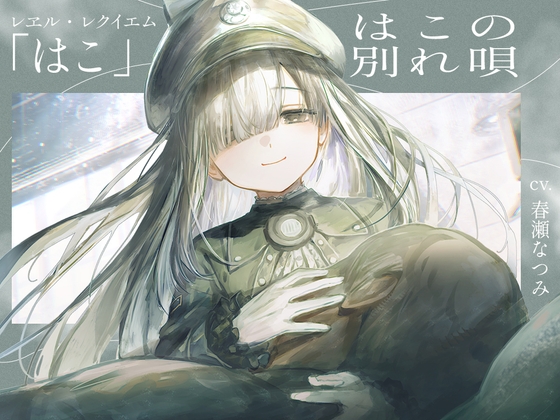
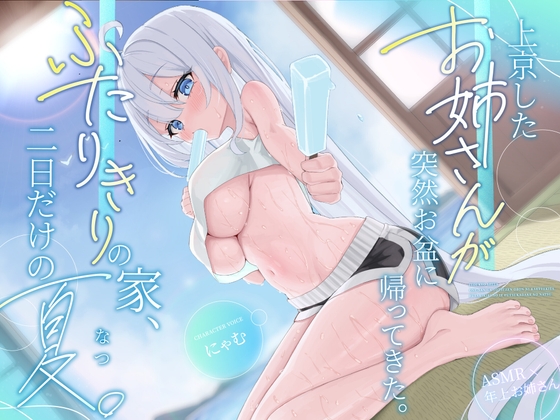
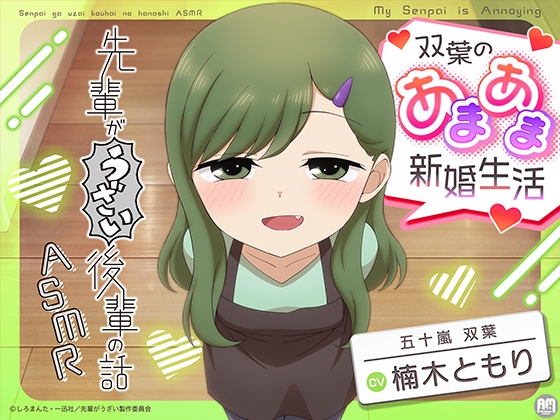
She is in the corner of the classroom, at the end of the row by the window. She does not speak unless spoken to. At lunch she puts her head on her desk and pretends to sleep; after school she is the first one out the gate and goes home to her own room. Her hobbies are light novels, eroge, doujinshi. Her living mode is socially avoidant, and the distance she keeps from the classroom centre is at all times the maximum the geometry allows. The way that distance is kept secures a certain density of inner world. Inkya-kei is the preference category for that socially-avoidant, introverted character configuration as the centre of an erotic-relational architecture.
Overview
Inkya-kei (陰キャ系, “shadow-character type”; inkya itself is a clipped form of in no kyarakutā, “shadow character”) names the Japanese fan-preference category for fictional characters with introverted, socially-avoidant, otaku-coded, or shut-in-leaning traits. The word inkya is a piece of 2010s Japanese youth slang that consolidated alongside the spread of social-network use and the corresponding visibility of socially active vs socially restrained self-presentation. It pairs with the opposite term yokya (“sunlight character”) and the two function as an axis of personality classification in current Japanese youth speech. In the subcultural sphere the same axis has been adopted as a moe attribute, and a sub-line of works treats inkya-kei characters as principal or sexual-counterpart roles.
The core of the configuration
Inkya-kei configuration has two layers. The first is the social signature: low speaking volume, restraint from the centre of group situations, preference for solitary activities (reading, gaming, online time), restrained dress and grooming, low self-evaluation, a tendency toward self-conscious over-monitoring. The second is the narrative role: characters cast under this attribute typically carry an inner density — the part of their resource that is not spent on outward socialisation is held in interior reserves of thought, feeling, and imagination, and the disclosure of that interior to a single counterpart is the central narrative payoff.
Within sexual subject matter the configuration branches into two recurring sub-types. The inner-richness inkya keeps the visible signature and the inner reserve in the same alignment: outwardly unremarkable, inwardly the source of an unexpectedly rich relational world. The gap inkya uses the visible signature as a foil for an inner dosukebe configuration, with the contrast between the two as the work’s principal dramatic register. The moe database carries both sub-types in parallel.
Etymology
Inkya consolidated as a 2010s piece of Japanese youth slang as a clipping of in no kyarakutā (“shadow character”). The single morpheme in (陰, “shadow”, “unobtrusive”, “introverted”) was repurposed as the marker of a personality direction, in parallel with the opposite yō (陽, “sun”) in yōkya. The pair circulates in everyday Japanese youth speech across school-caste, social-media self-naming, and personality-typing registers, and forms one of the basic axes of contemporary Japanese youth vocabulary.
The background to the formation of the term is the spread, between the mid-2000s and the early 2010s, of social-network services in Japan — Mixi, Twitter, Facebook, and so on. The visibility of users’ sociability and self-presentation made the contrast between socially active and non-socially-active people an everyday object of observation. That contrast was then verbalised, and the inkya / yōkya binary stabilised as the basic working vocabulary.
The subcultural derivatives — inkya-kei, inkyara, inkya zokusei — have been settled as attribute tags from around 2015 inside eroge, eromanga, and doujin-audio production. The works of that period produced a substantial corpus that placed inkya-kei characters in principal and sexual-counterpart roles, and the archetype settled under the inkya-kei label.
In English-language usage the corresponding territory is divided across introvert, nerdy type, shy type, and similar terms. The Japanese subcultural sense of inkya-kei carries the additional school-caste freight that the English categories do not, and the loanword inkya has begun to be carried into English fandom unchanged.
Structural marks
The visible signature of an inkya-kei character is composed of several recognisable elements: dark, sober-coloured clothing; hair worn down around the face; the use of glasses and similar small props; minimised accessories; minimised makeup. The behavioural signature adds: low eye contact, low speaking volume, the maintenance of physical distance, deep immersion in private hobby activities, preference for peripheral positions in group settings.
Megane, otaku-coding, the habit of reading, the habit of gaming, and related attributes are combined heavily with the inkya-kei archetype and reinforce it. The combination treats inkya-kei not as a single attribute but as a base layer onto which other attributes are clipped.
In narrative form the archetype is typically deployed in the the protagonist is the one who discovers her interior shape. A character who is unremarkable to the classroom, the workplace, or the social setting reveals, over the course of the work, an interior depth that only the protagonist gets to see. The shape combines easily with the childhood-friend, classmate, and school configurations, and is one of the more finely worked-out narrative types in the moe-attribute database.
In adult work, the configuration is most often deployed for the visible plainness / inner sexual forwardness gap. The contrast between the inkya-kei outward register and a dosukebe or actively engaged inner register is the standard dramatic engine of inkya-kei adult work, and the gap structure is one of the canonical configurations of the moe-attribute database used as a dramatic device.
Adjacent categories
Yōkya-kei is the opposite-direction attribute and the pair-half of the inkya / yōkya axis. Outgoing, fashion-forward, classroom-caste-upper-bracket self-conception — these are its components, and inkya-kei reads against it as the contrastive other. The two together form the basic axis of contemporary Japanese-character-design vocabulary, and one of the principal axes of Japanese youth-image production at large.
Megane is the standard visible-sign collaborator of the inkya-kei configuration. Glasses-wearing carries the social reading “book-loving, intellectual, introverted” and is combined heavily as the visible marker of the archetype.
Otaku-coding, shut-in tendency, communication-difficulty: these adjacent attributes sit as broader-or-overlapping categories. The boundaries with inkya-kei are not sharp; inkya-kei is the more general Japanese-youth-slang term, while otaku is more strongly anchored to a particular taste-and-cultural identification.
School-setting and classroom configurations are the default narrative ground for the archetype, deployed in the work-types that make the classroom-caste their narrative material.
Reception
The cultural pull of the inkya-kei attribute is in the release from social-conformity pressure that the configuration offers, together with the prospect of the narrative disclosure of an inner density. In a contemporary social environment where social competence is weighted heavily and where the burden of self-presentation on social media is high, the archetype offers a fictional analogue of a relationship in which social effort is not required. The accompanying disclosure-of-interior structure offers a self-projective pull alongside it.
In sociological terms the popularity of the attribute is tightly bound to the self-presentation culture of the social-network era. The everyday-language naturalisation of character as something one performs, and the everyday-language naturalisation of classroom caste as something one belongs to, set up the inkya / yōkya binary as a social concept, and the same binary was then transferred into the moe-attribute system as fictional material.
The supply of works specialised on the attribute through eroge, doujinshi, and doujin-audio has continued to grow in recent years. Audio works titled along the lines of home-date audio with an inkya girlfriend or intensive time with an inkya younger associate directly stage the central pull of the configuration, and have established a stable demand on both the men-oriented and women-oriented sides of the market.
Related terms
Updated
References
- 『Otaku: Japan's Database Animals』 University of Minnesota Press (2009)
- 『The Moé Manifesto』 Tuttle Publishing (2014)
- 『教室内カースト』 Kobunsha Shinsho (2012) — Sociological treatment of the contemporary Japanese classroom-caste system, the underlying context for the inkya / yokya pair.
- 『Beautiful Fighting Girl』 University of Minnesota Press (2011)
Also known as
- inkya character archetype
- introvert type
- shy character preference
- ja: 陰キャ系
- ja: 陰キャ
Related
- Meganekko (glasses-girl)
- Eroge
- Bishoujo Game (Japanese Dating Sim)
- Gakuen-mono (School-Setting Genre)
- Dosukebe (Super-Lewd Character Type)
- Hikikomori Character Moe
- Princess Character (Hime-Kyara)
- Kemonomimi (beast-ear character)
- Sabasaba Moe (Cool-Girl Archetype)
- Airhead-character moe (tennen)
- Genius-character moe (tensai)
- Dark Elf (Fantasy Character Archetype)