Twins Moe (Futago Moe)
✎ 本文編集 (admin) 🖼 画像編集 (admin)“Twins Moe (Futago Moe)” works on DLsite
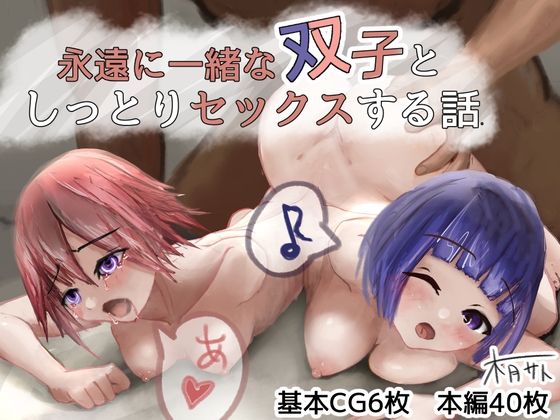
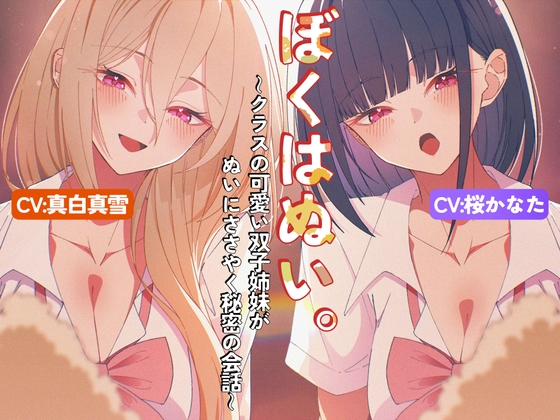
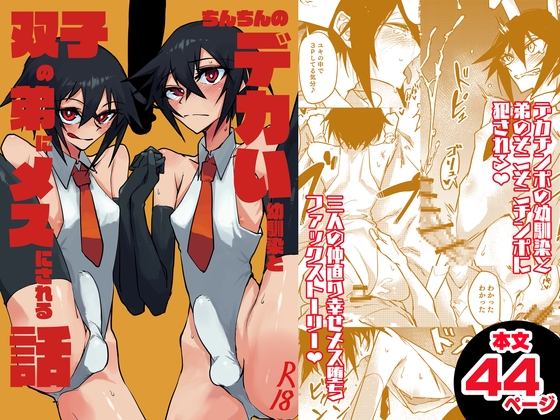
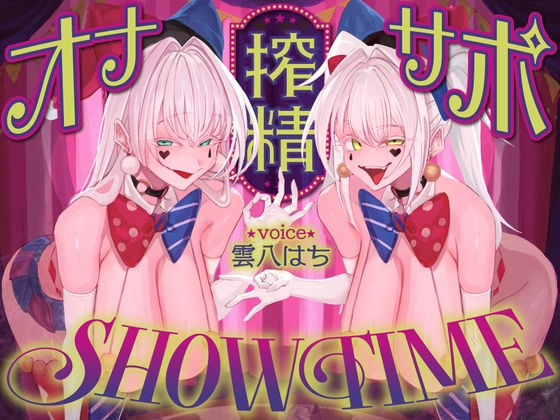
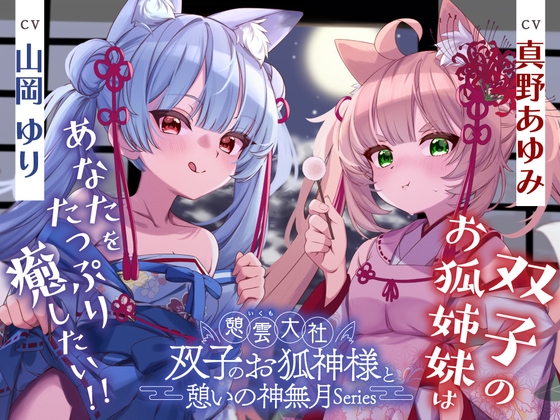
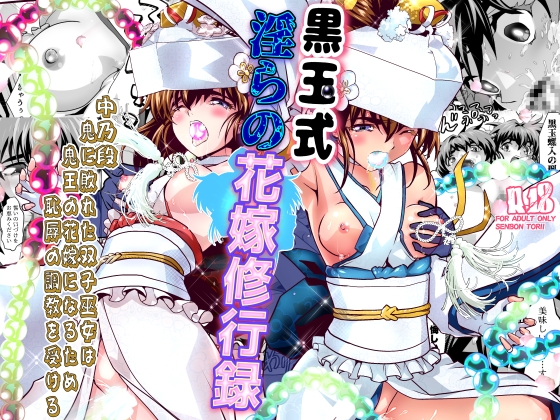
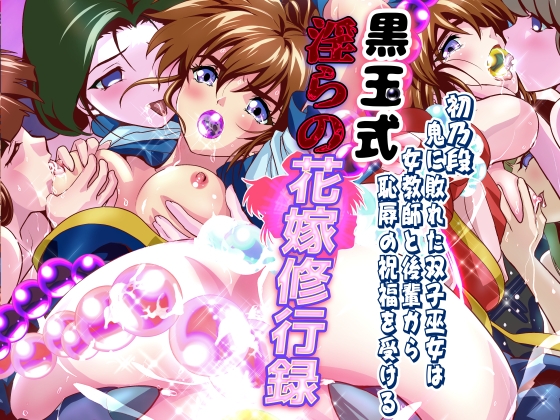
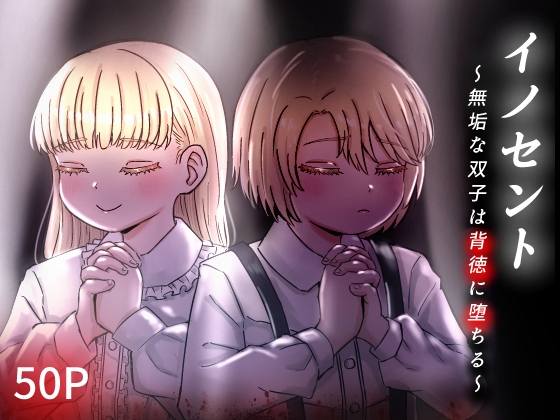
Two faces turn at the ticket gate at almost the same angle. White ribbon on one, black ribbon on the other; without the ribbons there would be no reliable way to tell them apart, and even with the ribbons the observer must work, in the moment, to keep track of which is which. Futago moe names the fan-cultural appetite for that work.
Overview
Futago moe (Japanese: 双子萌え) is the Japanese otaku character archetype for attraction to twin characters and to the structural pleasures the configuration produces. The archetype consolidated as an independent moe-attribute slot in the late 1990s and early 2000s eroge and light-novel traditions, and has remained a stable supply category in adult fiction, adult doujinshi, and adult voice-drama since.
The archetype’s structural core is the simultaneous-presentation of identity and difference. Two characters with shared facial structure, shared upbringing, and shared genetic baseline are placed in scenes that bring out their minor differences in personality, manner, and response. The reader’s attention oscillates between seeing them as one and seeing them as two, and the oscillation is the engine of the genre’s appeal.
In the database-of-attributes framework that Hiroki Azuma’s Otaku: Japan’s Database Animals (2001) describes, futago operates not as a single attribute but as a pair-of-attributes slot: the configuration usually places one personality-attribute on one twin and a contrasting attribute on the other, so the genre is built around contrast-management rather than around a single attribute presented redundantly.
Genre history
Twin characters in fiction are ancient. The Japanese subculture-specific futago moe tradition emerges from the convergence of late-1990s bishōjo game and light-novel writing with the moe-attribute system that consolidated in that period. White Album (Leaf, 1998), with its twin-heroine configuration, sat near the beginning of the genre; Sister Princess (1999–), with its multiple-sister structure that included twin pairings, normalised the “set of sisters” as an eroge and light-novel architecture; the Key Sound Label visual novels of the early 2000s included twin sub-arcs as routine structural options; the late-2000s wave of ore-no-imouto (my-sister) light novels picked up the form and adapted it to mainstream commercial release.
By the late 2000s the configuration had moved from novel to standard: a twin pair on a visual-novel heroine roster was no longer a remarkable design choice, and the genre’s craft conventions for distinguishing-while-resembling had stabilised.
Reception
The supporting psychology of the genre is most often described in terms of two opposite-running impulses.
The first is discrimination-as-privilege: the satisfaction of being one of the few characters in the fiction (and, by reader-positional transfer, one of the few people in the world) who can tell the twins apart. The genre’s recurring beat is the moment of correct identification: the protagonist names the twin on the left without looking at the ribbon, and the twin responds in a way that registers the recognition. The configuration places the protagonist (and the reader) in a position of specialised observational competence, and the position has a substantial part of the genre’s draw.
The second is simultaneous-attention: the wish to engage with two persons at once, framed by the shared face and shared upbringing as a single object of attention rather than as a configuration that requires choosing between them. The genre’s specialised handling of the route-structure (the route-of-the-elder-twin, the route-of-the-younger-twin, the route-of-both-twins-together) operationalises the configuration in interactive form.
The same configuration cuts in the opposite direction in shōjo and BL twin pairings, where the twin-as-jealous-rival or the twin-as-secret-keeper architectures generate their own conventions.
In adult work
In commercial eroge, the futago configuration is a stable architectural option for the heroine roster. The route-set conventionally includes individual routes for each twin and a combined route in which both twins participate, with the combined route operating as a special-case three-way scenario. In adult manga and doujinshi, the configuration is similarly standardised, with the twin pair providing structural justification for scenes that would otherwise need additional setup.
In live-action adult video, “twin sisters” themed productions appear in stable rotation. Genuine twin performers are rare; the conventional practice is to cast two performers whose facial structure permits the twin-pair presentation, sometimes supported by costume and styling. The genre’s central appeal in live-action is the visual density of the two-bodies-one-frame composition and the audience’s tracking of micro-differences in performance between the two performers.
The twin configuration’s adjacency to incest themes (the twin pair as sibling-pair, the encounter as multi-sibling) introduces regulatory and self-regulatory considerations in production. Commercial works conventionally frame characters as adults and the configuration as siblings without specifying that the protagonist is also a sibling, an approach that keeps the work within mainstream distribution conventions.
Sub-types
The identical-twin sub-type maximises the resemblance and concentrates the genre’s distinguishing-by-detail logic. Distinguishing marks are externalised onto clothing, hair-styling, or accessories; the body itself reads as duplicated.
The fraternal-twin sub-type permits a baseline of physical difference, and is the conventional choice for opposite-sex twin pairs. Twin-brother-twin-sister pairings introduce a wider range of structural relationships and sit adjacent to the sibling-incest family of narrative types.
The substitution-and-identity-trick sub-type uses the twin configuration as a plot device for impersonation, with the swap as a story-driving moment. The convention has deep roots in non-genre fiction and remains a frequent presence in twin-themed adult work.
The personality-contrast sub-type places contrasting moe-attributes on the two twins (one tsundere, one kuudere; one earnest, one mischievous) and uses the configuration as a way of getting two moe-attribute slots into one design budget.
See also
- Sisters threesome (ane-imouto-don)
- Sibling incest (kyoudai-soukan)
- Childhood-friend scenarios
- Multi-person scenes (fukusuu-play)
- Tsundere
- Kuudere
- Bishoujo
Updated
References
- 『Otaku: Japan's Database Animals』 University of Minnesota Press (2009)
- 『Beautiful Fighting Girl』 University of Minnesota Press (2011)
- 『The Moé Manifesto』 Tuttle Publishing (2014)
Also known as
- twins moe
- twin character fetish
- futago moe
- ja: 双子萌え
- ja: ツインズ
Related
- Demon Girl Moe (Akuma Chara)
- Bakajoshi (Airhead Girl Archetype)
- Dosukebe (Super-Lewd Character Type)
- Step-Parent Theme (Giri no Oya-kei)
- Haraguro Moe (Two-Faced Character Appeal)
- Kemonomimi (beast-ear character)
- Yandere
- Sabasaba Moe (Cool-Girl Archetype)
- Yankee character moe
- Onee-chan Attribute
- Onee-san Attribute
- Onii-chan Attribute