Yankee character moe
✎ 本文編集 (admin) 🖼 画像編集 (admin)“Yankee character moe” works on DLsite
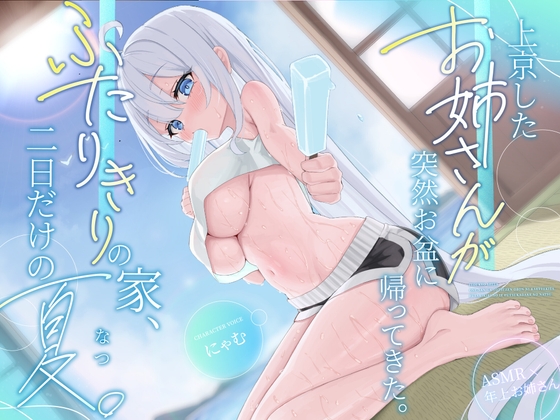
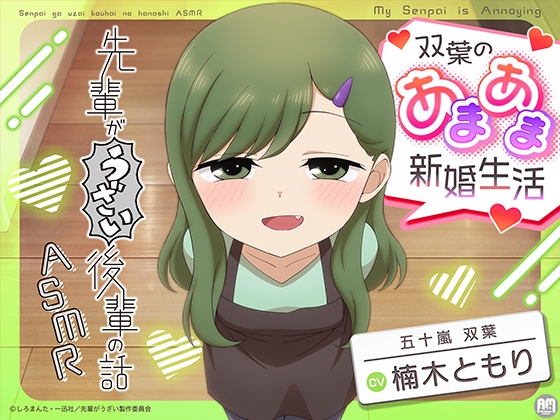
Behind the school building after class, with cigarette smoke in the air, a sharp voice cuts in: “What are you doing here?” Bleached hair, a shortened skirt, a modified sailor uniform, a glare. And then, seeing the food that fell from your lunchbox, she clicks her tongue and silently holds out the rolled omelette from her own, looking away: “If you don’t want it, I’ll just throw it out.”
Yankee character moe (ヤンキーキャラ萌え) is the attraction to delinquent, yankee, biker-gang, and reformed-delinquent (moto-yan) character types. The appeal combines unexpected kindness hidden beneath an aggressive register, the gap between a flashy exterior and an innocent interior, and a built-in deviation from social norms. The archetype has formed a stable type in shojo manga, light novels, eroge, and erotic manga since the 1990s.
Overview
“Yankee” names a youth subculture that developed in Japan, centred on regional cities, from the 1980s onward. It carries a coherent system of signs: long or bleached hair, tokkofuku (gang uniforms), modified school uniforms, heavy makeup, smoking, biker gangs, and group behaviour. The sociologist Koji Namba’s Yankii bunka-ron josetsu (2009) organised this as a distinct cultural sphere concentrated in the provinces. Fictional yankee depiction borrows these real-world signs and, through romanticisation and attribute-coding, repackages them as a subcultural object of affection.
The structural core of yankee moe is the gap between an intimidating exterior and an artless interior. Sharp sanpaku eyes, bleached hair, and a modified uniform supply the “scary” visual signs, while a contrasting set of inner signs (a strong sense of obligation, loyalty to friends, awkwardly expressed kindness, an old-fashioned sense of manners) is set against them. In database-consumption terms, the type sits squarely in the lineage of the gap moe structure.
History of the type
Stories built around delinquent characters reach back to the postwar youth and boys’ manga of the early decades. “Yankee” crystallised as a distinct cultural sign in the 1980s, the period of widely read works such as Shonan Bakusozoku (1982–1987), Be-Bop High School (1983–2003), and Kyo Kara Ore wa!! (1988–1997). The 1990s saw a surge of female-targeted works centred on delinquent heroines (Hana no Asuka-gumi!, Hot Road), and the female yankee image became an independent type.
From the 2000s, the “ex-yankee” (moto-yan) sub-attribute gained its own standing. The character was a delinquent during her school years but now lives an ordinary life, or has married into a household; the contrast between the lingering yankee signs and her present calm becomes the moe core. Light novels and erotic manga have mass-produced derivative types: the ex-yankee married woman, the ex-yankee teacher, the ex-yankee mother, the ex-yankee senior office worker.
Reception
The psychological core of yankee moe is attachment to the “threshold gap”. A figure wrapped in aggressive signs is hard to approach at first. But once let inside, the interior holds an unexpectedly old-fashioned loyalty and a plain kindness. Because the intimidating exterior keeps most others out, the one who gets in receives an affection felt as exclusive.
The yankee character also carries signs of deviation from norms. Depicted as someone already at a distance from school, family, and social expectations, she is given comparatively wide latitude in sexual and relational choices. For the audience, this is an attribute that makes possible a romanticised “off-the-rails” relationship that a norm-abiding heroine cannot easily support.
Sociologically, yankee signs reflect a long history of cultural asymmetry between regional youth culture and the metropolitan centres. The attribute-coded yankee image abstracts and signifies these real cultural differences and reconstructs them as an object of taste. The tag “yankee” as an attribute and yankee culture as a real social phenomenon are received as clearly separate things.
In adult media
In erotic manga, eroge, and adult doujinshi, works built around the yankee gyaru, the yankee childhood friend, the ex-yankee senior, and the ex-yankee married woman form a stable sub-genre. Standard script structures include the reversal in which a rough exterior turns unexpectedly submissive (or unexpectedly forward) during the act, and the arc of forming a relationship with a long-time antagonist.
Connections to kuro-gyaru and gyaru works are common, layering yankee signs over tanned skin, heavy makeup, and flashy clothing. The inverse type is equally established: the plain-looking character who turns out to be a former delinquent (the hidden yankee, hidden ex-yankee).
Variants
The ex-yankee married woman or mother type centres the contrast between present-day composure and past signs. The ex-yankee teacher or senior type situates the gap within workplace and classroom settings. The yankee childhood friend type doubles the effect, combining a long-running relationship with present delinquency. The young-lady yankee or hidden-yankee type, in which an ojou-sama character is secretly a delinquent (or the reverse), makes the surprising combination itself the object of appreciation.
Related terms
Updated
References
- 『An Introduction to Yankee Culture (Yankii bunka-ron josetsu)』 Kawade Shobo Shinsha (2009)
- 『Otaku: Japan's Database Animals』 University of Minnesota Press (2009)
- 『Beautiful Fighting Girl』 University of Minnesota Press (2011)
Also known as
- delinquent girl moe
- Yankee character appeal
- ex-yankee moe
- ja: ヤンキーキャラ萌え
- ja: ヤンキーキャラ
- ja: 不良キャラ
Related
- Demon Girl Moe (Akuma Chara)
- Bakajoshi (Airhead Girl Archetype)
- Dosukebe (Super-Lewd Character Type)
- Twins Moe (Futago Moe)
- Haraguro Moe (Two-Faced Character Appeal)
- Kemonomimi (beast-ear character)
- Yandere
- Sabasaba Moe (Cool-Girl Archetype)
- Dark Elf (Fantasy Character Archetype)
- Chijoka (Becoming a Lustful Woman)
- Debu Otoko (Fat Bastard / Ugly Bastard)
- Gangimari (Drugged-Face Expression)