Kemonomimi (beast-ear character)
✎ 本文編集 (admin) 🖼 画像編集 (admin)“Kemonomimi (beast-ear character)” works on DLsite
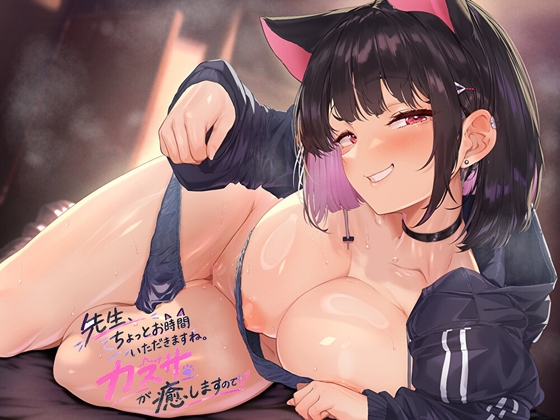


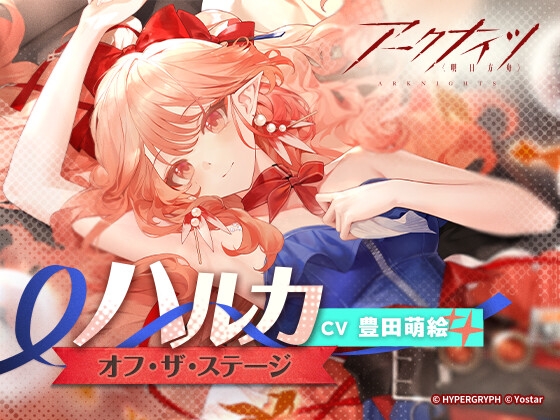
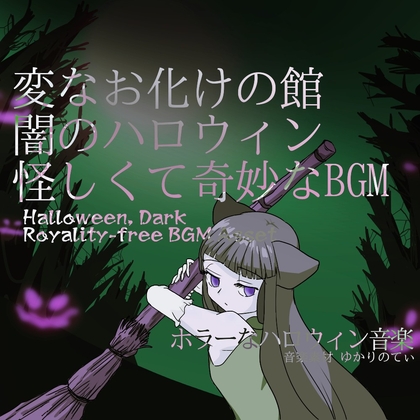
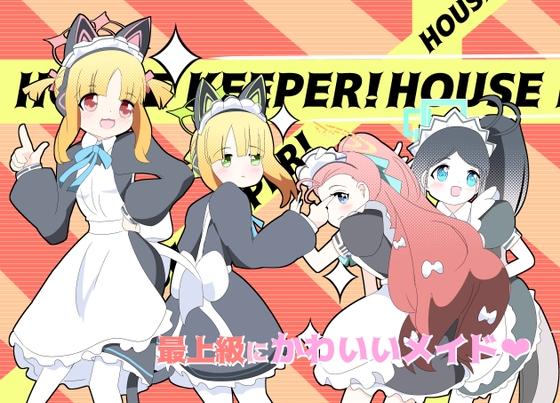
A pair of cat ears. A tail in the back. Otherwise, the character is fully human in face, body, and movement. Two pieces of additional anatomy — small, contained, located precisely on top of the head and at the base of the spine — do all the work of relocating the character into the animal-adjacent register without compromising the human reading of everything else. Kemonomimi names this minimum-modification archetype, and the loanword has carried into international anime and manga vocabulary as one of the more recognisable Japanese-origin character categories.
Overview
Kemonomimi (Japanese: 獣耳, kemono-mimi; literally “beast ears”; also written けもみみ, kemo-mimi) is the Japanese subculture vocabulary term for humanoid characters with animal ears, typically supplemented by an animal tail, retaining otherwise human body design. The archetype is distinguished from the kemono (anthropomorphic-animal character) archetype, which involves substantial alteration of body and face design toward animal anatomy; kemonomimi leaves the human design largely intact and adds the minimum animal-marker features.
The category is one of the standard slots in the contemporary Japanese-subculture moe-attribute (萌え属性) character-design vocabulary, the system of stable character-design elements that contemporary character design works combine to construct character identities. Hiroki Azuma’s Otaku: Japan’s Database Animals (2001/2009) places kemonomimi among the recurring moe attributes that have stabilised in the post-1990s otaku-consumption ecology, with the database model treating the archetype as a re-combinable design slot rather than a fixed character type.
In international anime and manga fan vocabulary, the loanword kemonomimi has held as the standard term. Sub-variants are typically referenced by the specific animal (nekomimi for cat-ears, inumimi for dog-ears, kitsunemimi for fox-ears, ōkamimimi for wolf-ears), with each sub-variant carrying its own character-trait associations.
Variants
The largest sub-category is nekomimi (猫耳, “cat ears”), with triangular cat-ears added at the top of the head. The cat-ear archetype is supported by an associated character-trait register: capriciousness, affectionate dependence (“amaeru”-type behaviour), domestic-pet familiarity, a tendency to nap. The line-ending suffix “-nyaa” (the Japanese onomatopoeia for a cat’s meow) is the recognised speech-marker variant.
Inumimi (犬耳, “dog ears”) features pendant or upright dog-ears, with the associated trait register skewing toward loyalty, eagerness, straightforwardness, and a less ambiguous emotional read than the cat-ear variant. The line-ending suffix “-wan” (the corresponding onomatopoeia for a dog’s bark) marks the variant in speech.
Kitsunemimi (狐耳, “fox ears”) features upright pointed fox-ears, with the trait register skewing toward enchantress-type qualities — seductive, knowing, sometimes deceitful. The associated speech-marker is the suffix “-kon” (the Japanese onomatopoeia for a fox’s call), and the variant often carries connotations from the broader Japanese folkloric tradition of fox-spirits.
Ōkamimimi (狼耳, “wolf ears”) features upright wolf-ears, with traits skewing toward intensity, loyalty, and a slightly threatening edge. Usagimimi (兎耳, “rabbit ears”) features long upright rabbit-ears, with traits skewing toward timidity and sensitivity. Less common variants extend to nezumimimi (mouse-ears), hitsujimimi (sheep-ears), and others on the fringes of the catalogue.
The trait-by-animal stability is not absolute. Many works deliberately undermine the trait-stereotype-and-animal pairing for narrative effect (the gentle wolf-eared character, the bold rabbit-eared character). The departure from the stereotype generally registers, by contrast with the stereotype, as a deliberate authorial choice.
Historical development
The image of a humanoid character with added animal-features has a long pre-otaku-period history in Japanese popular culture. Tezuka Osamu’s work (Princess Knight, Astro Boy, Marvelous Melmo) included characters with partial animal features, and the broader 1960s and 1970s shōjo and shōnen manga tradition extended these character-types. The consolidation of kemonomimi as a recognisable moe-attribute slot, distinct from the broader history, is conventionally placed in the late 1980s and early 1990s.
The 1990s bishōjo game industry systematised the archetype as a routine character-roster slot. Eroge titles from the period through to the To Heart generation (1997) and beyond included kemonomimi heroines as one of the standard character-types in a route-selection roster, alongside school-uniform heroines, twin-tail heroines, glasses heroines, and the rest of the standard moe-attribute vocabulary. The systematic deployment of the archetype as a database-slot character type, in this period, was decisive for its modern positioning.
Through the 2000s, kemonomimi consolidated as a standard moe-attribute alongside maid, school uniform, bunny-girl, and the rest of the recurring character-design slots. The cosplay market normalised the cat-ear hairband as an entry-level cosplay item, with mass-circulation production making the category visually pervasive across convention culture. In mainstream anime, the broader animal-eared character tradition continued through works like Rumiko Takahashi’s Inuyasha (2000) and the earlier Urusei Yatsura (1978).
Position in adult-content production
Kemonomimi characters hold a particular position in the Japanese adult-content production landscape. In adult manga, kemonomimi-protagonist works form a recognised subgenre with stable readership; in doujinshi, the practice of kemonomimi-ising an existing character (taking an established character from a mainstream work and adding cat-ears or fox-ears as a fan-art modification) is a recurring practice in fan-art production.
The reception logic specific to adult-content production rests on the animal-coded label that the archetype confers. The animal-coding gives works permission to deploy collar-and-leash, pet-training, and dominance-coded scenario configurations within a framework of “fictional partly-animal character” rather than the fully-human-character framing that some readers would find uncomfortable in the same configurations. At the same time, the body design remains substantially human and the character’s emotional and verbal expression remains fully human-readable, which preserves the character-attachment that pure animal-character work would lose.
In live-action adult-content production, nekomimi and inumimi cosplay shoots are a recurring category, with performers wearing animal-ear hairbands and tail accessories as a costume layer that operates as a clothed-play / chakui-adjacent costume aesthetic. The performance dimension includes the animal-trait speech-marker suffixes and animal-trait body language as part of the role-played character.
Reception psychology
The kemonomimi archetype’s reception draws on the broader human attraction to neotenous features (large eyes, small face, soft body lines), with the animal-ears adding a category-coded layer that further activates the neotenous-attractive response. The visual signal of “animal” without the cost of full animal-body-design lets the archetype achieve a kind of paradoxical efficiency: the character reads as human enough for full character-attachment, and as animal enough to engage the additional response register.
In Azuma’s database analytical frame, kemonomimi operates as one of the recurring elements in the contemporary character-design vocabulary — a feature that, combined with other features (twin-tails, glasses, specific personality types), permits the on-demand construction of new characters tuned to the consumer’s preference combination. The high circulation of kemonomimi in contemporary character design reflects, in this frame, the feature’s high re-combinability with other features in the database.
Folkloric resonances run alongside the moe-attribute analysis. The Japanese folkloric tradition of fox-women (kitsune-onna), dog-spirit (inugami), and shape-shifting cats (nekomata) provides a deep cultural memory that the kemonomimi archetype activates lightly, with the character-design tradition continuing the older folk-narrative tradition of liminal human-animal beings in a contemporary character-design idiom. The Western analogues (fairy folklore, werewolf traditions, anthropomorphic-animal figures) carry similar cultural memory, with the contemporary internet-fan recognition of kemonomimi drawing on both lineages.
Cultural circulation
The loanword kemonomimi operates as standard vocabulary in international anime, manga, and adult-content fandom, with the term recognised across English, Chinese, Korean, and other major fan-language communities. The Japanese-origin specificity of the term has held: while catgirl exists as a partial English equivalent for the nekomimi sub-case, the broader category-name kemonomimi circulates in its Japanese form without a clean English equivalent.
The cosplay market continues to support the archetype as one of the most accessible entry-level cosplay categories, with the cat-ear hairband functioning as the iconic single-purchase cosplay accessory that converts an otherwise-ordinary outfit into a recognisable character-coded outfit. The figure-and-merchandise market includes substantial kemonomimi product runs in both single-character and ensemble formats.
The archetype shows no sign of weakening in contemporary character-design production, with new works across eroge, eromanga, doujinshi, anime, and adult-video continuing to add kemonomimi characters to their character rosters as a stable standard slot in the contemporary character-design vocabulary.
Related Terms
- Kemono — full-anthropomorphic-animal variant
- Bishōjo — pretty-girl aesthetic baseline
- Bishōjo game — primary character-roster context
- Eroge — adult-game production
- Doujinshi — fan-art derivation context
- Cosplay (Kosupure) — cosplay-market deployment
Updated
References
- 『Otaku: Japan's Database Animals』 University of Minnesota Press (2009)
- 『The Moé Manifesto』 Tuttle Publishing (2014)
- 『Beautiful Fighting Girl』 University of Minnesota Press (2011)
- 『Erotic Comics in Japan: An Introduction to Eromanga』 Amsterdam University Press (2021)
Also known as
- kemonomimi
- beast-ear character
- animal-ear character
- furry-eared girl
- nekomimi
- ja: 獣耳キャラ
- ja: けもみみキャラ
Related
- Kemono
- Bishoujo (Anime/Manga/Game Character Archetype)
- Bishoujo Game (Japanese Dating Sim)
- Eroge
- Cosplay
- Demon Girl Moe (Akuma Chara)
- Bakajoshi (Airhead Girl Archetype)
- Dosukebe (Super-Lewd Character Type)
- Twins Moe (Futago Moe)
- Gangimari (Drugged-Face Expression)
- Haraguro Moe (Two-Faced Character Appeal)
- Hikikomori Character Moe