Dosukebe (Super-Lewd Character Type)
✎ 本文編集 (admin) 🖼 画像編集 (admin)“Dosukebe (Super-Lewd Character Type)” works on DLsite
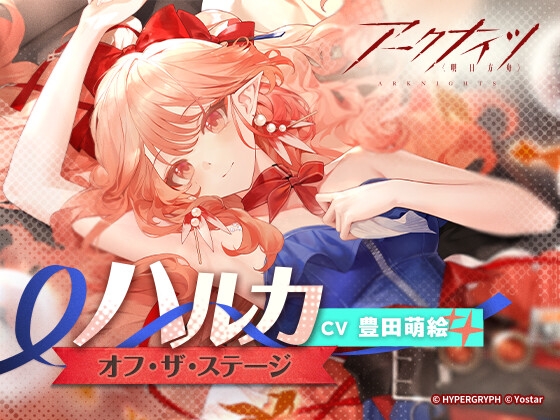
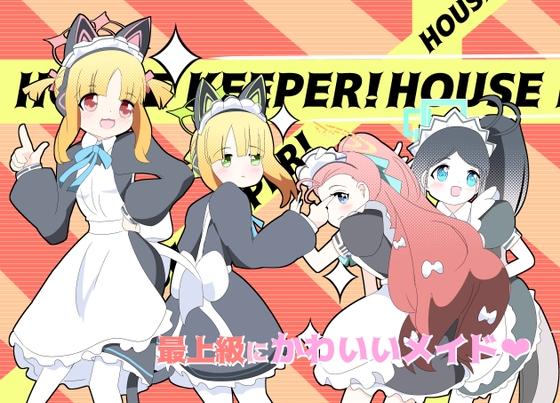
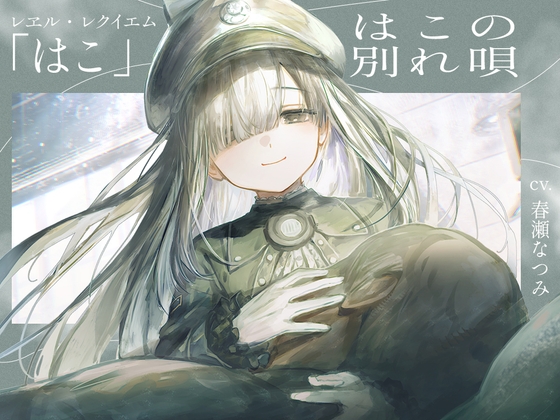
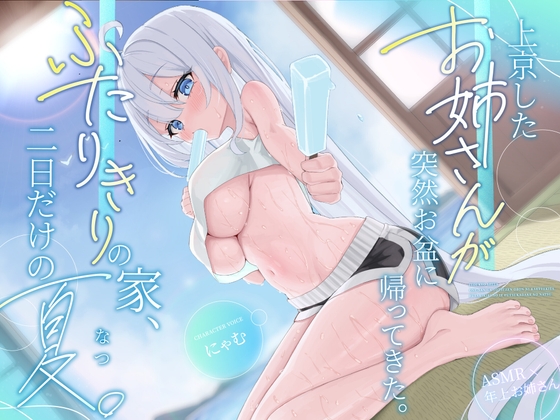
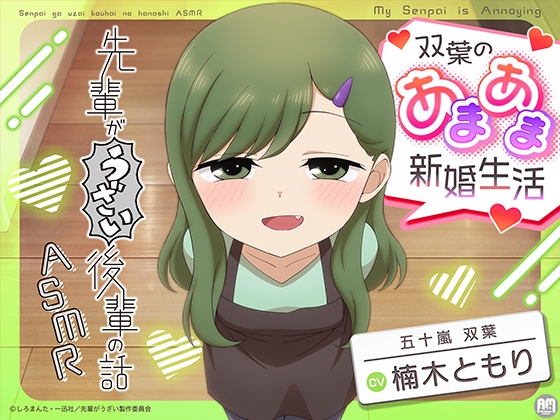
The walk home, an unprompted “let’s stop by a hotel today” delivered with no embarrassment-management whatsoever. Yesterday it was the same line; tomorrow probably the same. The character’s internal priority ranking treats sexual contact as standing item one and does not pretend otherwise. Dosukebe names that ranking as a character-archetype.
Overview
Dosukebe (Japanese: ドスケベ系, dosukebe-kei) is a Japanese otaku character archetype defined by a perpetually elevated sexual interest and a willingness to act on it directly. The character takes sexual subjects without warm-up, brings them into ordinary conversation without flagging, responds to sexual stimuli with exaggerated immediacy, and approaches the protagonist with a directness that the standard romantic-character grammar avoids. The archetype is conventionally rendered with a colloquial and frequently comic register, and is most at home in eroge, adult doujinshi, doujin voice-drama, and gag-adjacent adult-manga.
The archetype belongs to the wider family of lewd-female character types in Japanese fan vocabulary. Its closest sibling is the broader inran (lustful), a more neutrally descriptive category; dosukebe differs from inran in register rather than substance. Where inran names the trait directly, dosukebe names the trait through a colloquial intensifier that signals comic and slightly self-aware framing.
Etymology
Dosukebe is a colloquial Japanese compound of do- (the productive intensifying prefix, common in do-mannaka “dead-centre”, do-hade “extremely flashy”) and sukebe (a colloquial form of suke-bei / 助平, “lewd or sex-obsessed”). The morphology dates to early-modern colloquial Japanese; sukebe is attested as Edo-era slang and do- as an intensifying prefix has Kansai-dialect origins that spread into general Japanese in the late modern period.
The compound dosukebe has been an everyday colloquial term for a sexually-preoccupied person across the postwar period. The fan-archetype sense of dosukebe-kei (“dosukebe-type” as a character category) settled in the 2000s when eroge and adult manga vocabulary needed a label for a particular comic-exaggerated lewd-female-character mode that was distinct from the dramatic chijo and the more neutrally-graded inran.
In English-language fandom, the loanword dosukebe circulates as a recognised borrowing alongside super-lewd and extremely horny as available descriptors. The loanword carries the comic-and-intensified register that the English literal translations lack.
Conventions
The visual register of the archetype is conventionally exaggerated. The expression is set toward perpetual sexual response or ahegao-adjacent looseness; clothing tilts toward the provocative even in non-sexual scenes; the body is conventionally drawn with the standard kyonyuu or full-figured proportions of the genre. The verbal register is direct, with sexual content placed in ordinary-conversation positions where standard character types would place small-talk content. Sexual response is rendered as immediate and amplified.
The character is conventionally placed in the initiating role of the work’s encounter scenes. Where the protagonist of the work is rendered as ordinary or as relatively passive, the dosukebe character provides the initiative, the scheduling, and the script. The configuration places dosukebe characters in narrative-functional proximity to chijo characters, with a register difference: the chijo is most at home in dramatic and quasi-professional contexts (the aggressive-woman scenarios of stand-alone chijo genre work), while the dosukebe is most at home in the intimate and everyday register (the dosukebe girlfriend, the dosukebe coworker, the dosukebe classmate).
Position in the moe system
In the moe-attribute system that organises much of contemporary Japanese character design, the dosukebe archetype occupies a stable slot opposite the seijun (chaste) archetype. The two archetypes function as polar registers along the expressed sexual interest axis, and the contrast between them is a productive device for character-design economy: a seijun-presenting character with a dosukebe underside, or a dosukebe-presenting character whose underlying sexual experience turns out to be limited, are both productive gap-design configurations.
A wider organisation locates dosukebe alongside inran, chijo, yariman, and the dosukebe-na-onna-no-ko (the cute-and-sexually-forward girl) sub-archetype as elements of the sexually-forward female cluster. The cluster’s vocabulary distinguishes register, dramatic context, and accompanying personality more than substance.
In adult media
The archetype’s natural homes are the comic-register adult formats: gag-adjacent adult manga, comedy-route eroge, and adult doujinshi where the work’s tone is light. Adult voice-drama (situation voice, ASMR) supplies the archetype particularly reliably; titles framed around dosukebe girlfriend, dosukebe sister, and similar scenario types are a stable supply category in the major distribution stores.
When the archetype crosses into the more intense registers of adult work, it tends to combine with bachiboko (intense activity) and with sustained scene structures, producing a register in which the character’s amplified interest is the engine of escalating physical activity. The combination is one of the more reliably-supplied subgenre formulae in 2020s adult doujinshi and audio work.
Reception
The archetype’s cultural draw is most commonly described in terms of taboo-release. Standard cultural presentation of female sexual interest, especially in Japanese mainstream fiction registers, tends toward indirection and modulated expression. The dosukebe archetype short-circuits the indirection entirely and presents desire as a routine speakable matter. The release is part of what readers and listeners describe as the attraction of the archetype.
A second part of the draw is initiative-transfer. The reader or listener who consumes the work is positioned as the target of the character’s interest rather than as the holder of the interest. The configuration has overlaps with the chijo and succubus archetypes, and the dosukebe shares with them the being-approached-rather-than-approaching receiver position.
A third part of the draw is comic safety. The genre’s signature colloquial register and the visual exaggeration keep the encounters legible as fiction in a way that more dramatically-staged sexual aggression scenes might not. The archetype’s persistent productivity in adult audio and comedic adult manga is bound up with that legibility.
Adjacent archetypes
Inran names the wider general category of sexually-active female characters and has a more neutral and descriptive register than dosukebe. Chijo names a particular sub-category of sexually-aggressive female who initiates contact with men, frequently in professional or quasi-professional contexts; dosukebe operates in similar narrative positions but with a colloquial and everyday-life register. Ahegao names a visual sign-set rather than a character-type, but is a frequent visual co-occurrence with the dosukebe archetype. Seijun (chastity register) is the standard contrasting polarity in moe-attribute design.
See also
- Inran (lustful character)
- Seijun (chaste-register character)
- Chijo
- Bachiboko
- Ahegao
- Eroge
- Bishoujo game
Updated
References
- 『Otaku: Japan's Database Animals』 University of Minnesota Press (2009)
- 『The Moé Manifesto』 Tuttle Publishing (2014)
- 『Erotic Comics in Japan: An Introduction to Eromanga』 Amsterdam University Press (2021)
Also known as
- dosukebe
- super-lewd character
- extremely horny character archetype
- ja: ドスケベ系
- ja: ドスケベキャラ
Related
- Demon Girl Moe (Akuma Chara)
- Bakajoshi (Airhead Girl Archetype)
- Twins Moe (Futago Moe)
- Haraguro Moe (Two-Faced Character Appeal)
- Kemonomimi (beast-ear character)
- Yandere
- Sabasaba Moe (Cool-Girl Archetype)
- Yankee character moe
- Dark Elf (Fantasy Character Archetype)
- Neko (Bottom Role)
- Tachi (active role in same-sex relationships)
- Chijoka (Becoming a Lustful Woman)