Onee-chan Attribute
✎ 本文編集 (admin) 🖼 画像編集 (admin)“Onee-chan Attribute” works on DLsite
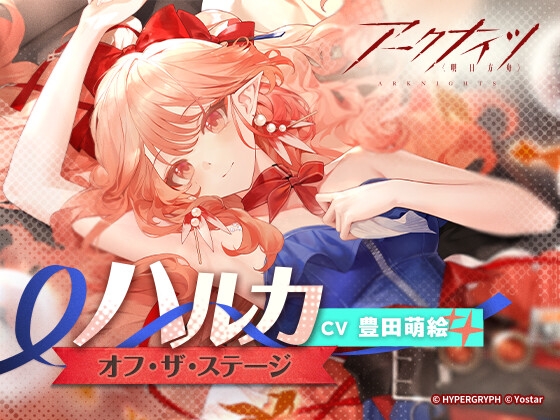
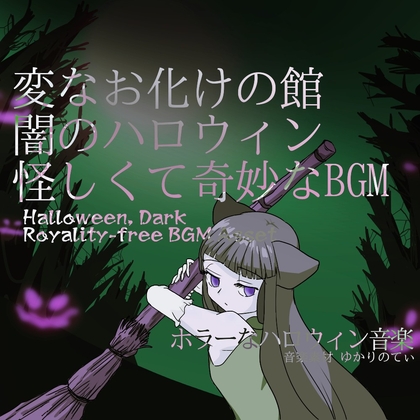
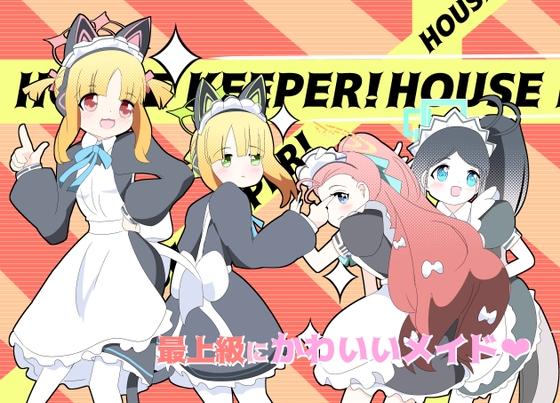
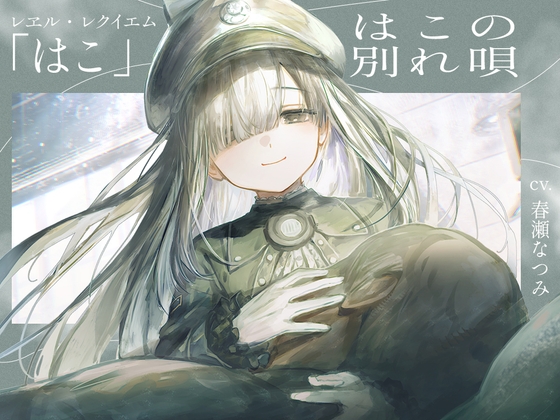
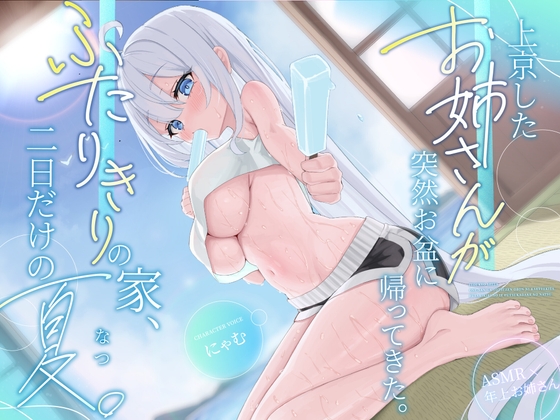
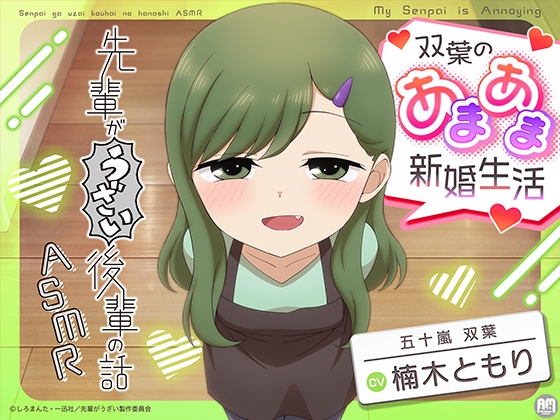
A note first: the characters in this taste are adults, and the works are fiction. The “sister” address is a pseudo-familial register, not a depiction of real minors or an endorsement of real incest.
Holding a partner’s hand with the feeling of a child lost partway through shopping, you call them “onee-chan”, and they lean half a step closer and tighten their grip a little. Within the same address, a childlike clinging and an adult sexual contact coexist. The two sounds of onee-chan are not a term marking a fact of kinship. Even with a friend of more than ten years, or an older co-worker, the moment of calling out “onee-chan” in bed redefines the relationship into a pseudo-sibling one. The onee-chan attribute is a relationship taste centred on that very act of address.
Onee-chan attribute (お姉ちゃん属性) is the taste centred on the address-relation of calling a woman “onee-chan” (big sister). Regardless of any blood relationship, it thematises an asymmetric intimacy created by addressing the partner with a pseudo-familial term. Where the onee-san attribute, which takes older women in general as its object, centres on “the older woman’s embrace”, the onee-chan attribute is axed on the act of address itself, building the relationship from the addresser’s psychological positioning.
Overview
The core is the pseudo-familialisation that the act of address provokes. “Onee-chan” is normally used for a blood-related elder sister, but here its range is extended to non-related older women. The address asymmetrically distributes to the addressee the role of “protector, guardian, elder”, and to the addresser the role of “protected, doter, junior”, and a sexual relation is formed within that role distribution.
The relation between addresser and addressee falls typically into three types. The first is a near-kin type treating a real elder sister, handled only in two-dimensional works because it steps into legal and social taboo. The second is a pseudo-kin type treating a stepsister or the like, holding both blood-proximity and non-blood status. The third is a non-kin type calling a non-related older woman “onee-chan”: a neighbourhood woman, a friend’s sister, a senior at work. The acoustic character of the address is itself a core element: the three sounds of onee-chan are soft and doting, differentiated from the harder nee-san, anee-sama, or onee-sama. In doujin audio the use of this address itself is frequently included in the work’s title.
Etymology
“Onee-chan” is a compound settled as an address for an elder sister in modern Japanese from the Meiji period: o- a polite prefix, ane a kinship term, -chan an affectionate suffix. Used in parallel with anee-sama and nee-san historically, it held a more childlike, intimate register. The subcultural derivatives (“onee-chan attribute”, “onee-chan moe”, “onee-chan address”) formed in the 2000s bishoujo-game and eroge context, mass-producing stepsister and neighbour-sister heroine types and establishing the term, organised in symmetrical position to the contemporaneous “little-sister moe” boom. In English the loanword oneechan is increasingly used directly within otaku culture, the native term recognised as having its own specificity beyond big sister.
Structural features
The onee-chan attribute overlaps partly with the onee-san and stepsister attributes but differs in structural core. Where the onee-san attribute centres on the partner’s traits (“the older woman’s embrace and care-taking”), the onee-chan attribute centres on the addresser’s psychological positioning. With the same character, the structure of the relationship changes depending on whether one says “onee-san” or “onee-chan”.
Narratively, a change of address is used as a device symbolising a change of relationship. A partner first called by surname moves to “-chan”, “onee-san”, “onee-chan” as the relationship deepens, this progression depicted as an index of deepening. Conversely, entering a sexual relationship with a partner for whom “onee-chan” is already settled emphasises the transgression of “stepping into a sexual relation while retaining familial proximity”. In adult works, the use of the address during sex functions as a central staging: a dialogue structure of calling out “onee-chan” mid-contact and the partner returning “yes, it’s onee-chan”, “go on, lean on me more”, which has developed especially in situation-voice and doujin audio, where the act of address itself is designed as an object of arousal.
Reception psychology
The cultural pull of the attribute lies in the psychological transgression inherent in the act of address. To call someone “onee-chan” places the addresser in a protected, junior position, and entering a sexual relation from that position carries a double transgression. The paradoxical state in which sexual agency and childlike regression hold at once forms the attribute’s particular appeal. Sociologically, the attribute is positioned as a cultural phenomenon reflecting the scarcity of sibling relations in post-nuclear-family Japanese society: with the rise of only children and falling birthrates, the layer of readers and viewers who have no real “onee-chan” to call has grown, and demand has risen for narrative types that experience such a relationship vicariously, an inverse correlation in which the more real kin relations decline, the more cultural demand for pseudo-address relations grows. In the doujin-audio market, works specialised in this attribute are supplied stably; the symmetrical “onii-chan attribute” for women’s works has developed in the same way.
See also
Updated
References
- 『Fundamentals of Otaku Terminology』 Takarajimasha (2014)
- 『Beautiful Fighting Girl』 University of Minnesota Press (Eng. ed.) (2011)
- 『The Myth of Maternal Love』 Nihon Hyoronsha (2000)
Also known as
- big-sister attribute
- onee-chan moe
- older-sister kink (non-incestuous)
- ja: お姉ちゃん属性
Related
- Onii-chan Attribute
- Twins Moe (Futago Moe)
- Onee-san Attribute
- Childhood-Friend Scenario
- Otouto-kei (Younger-Brother Type)
- Dark Elf (Fantasy Character Archetype)
- Demon Girl Moe (Akuma Chara)
- Bakajoshi (Airhead Girl Archetype)
- Dosukebe (Super-Lewd Character Type)
- Step-Parent Theme (Giri no Oya-kei)
- Haraguro Moe (Two-Faced Character Appeal)
- Hikikomori Character Moe