“Short hair (kink)” works on DLsite
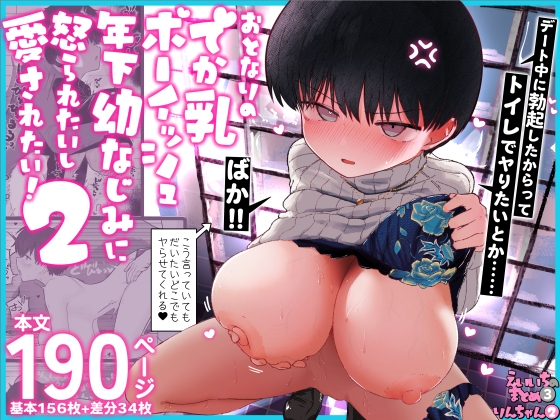
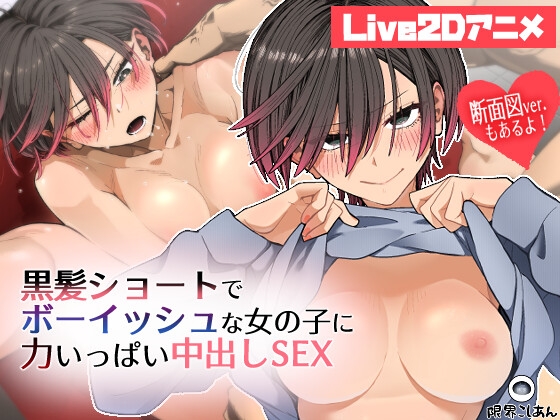
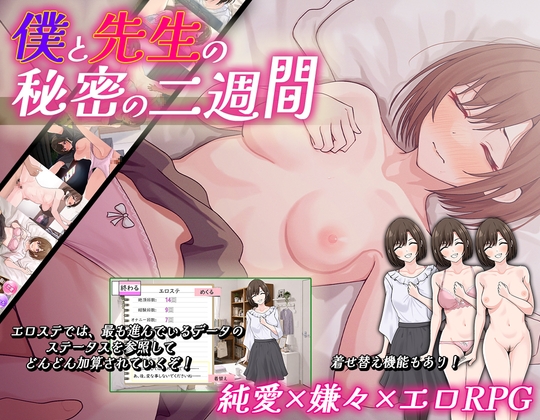
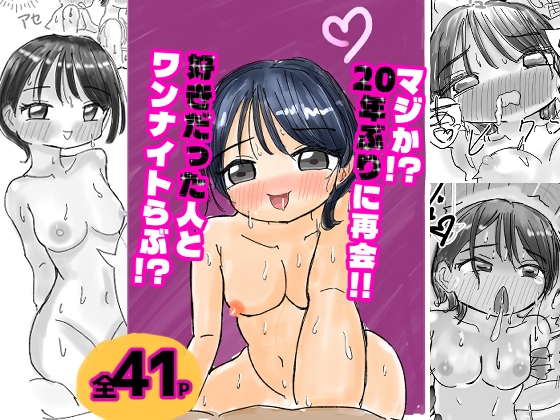
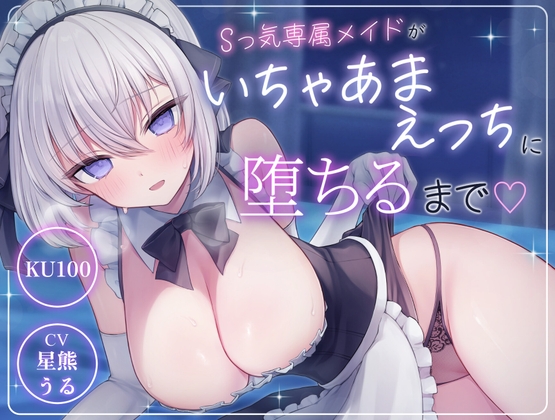

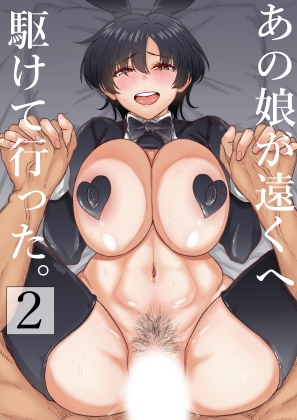
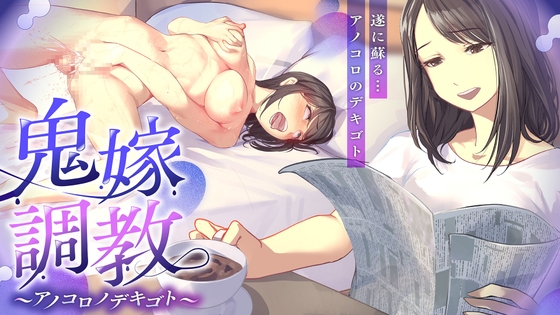
A hairstyle that for centuries was a public statement, until the 1920s when it became a daily one and then a default one. The fetish register of short-cut female hair is in many ways the inheritor of all the social weight the cut carried before it became normalised: the gender-coding crossover, the modernity-as-liberation reading, the structural ease and the personal directness of the look. Modern adult content has had ample time to settle the iconography.
Overview
Short hair (Japanese loanword shōto-hea or shōto-katto; English: short hair, pixie cut, bob at the longer end of the short range) is the female hairstyle in which hair is cut to a length where it does not extend below the ear level or, more strictly, the line of the chin. As a fetish-register category, short hair functions in contemporary adult-content vocabulary as the visual signal for a recognisable cluster of character traits — boyish, modern, athletic, independent, decisive, professionally engaged — and as the structural counterpoint to the long-hair tradition.
The category is broad enough to encompass several distinct sub-styles: the pixie cut (particularly short, with the form-fitting head register), the bob at its shortest variants (with the rounded geometry), the crew cut and buzz cut in particularly short variants, the wolf cut with longer-back layered shape, and a wide range of non-standard short cuts. The fetish register operates broadly across these sub-styles, with finer distinctions within fan vocabulary (the pixie cut fetish sub-register, the boyish-short register, the chic-short register) that focus on particular cuts.
Etymology and definition
In English, short hair is a direct descriptive compound. The Japanese loanword shōto-hea / shōto-katto entered Japanese in the postwar period along with the broader Western fashion vocabulary. The shorter sub-categories — pixie cut (so named because of the cut’s resemblance to the small fairy figures of Western European folklore), bob (a 1920s American coinage), crew cut, buzz cut — entered international vocabulary at various points through the twentieth century.
The defining length: hair that does not pass the shoulder, with the neck-into-shoulder line of the body fully exposed and the ears typically fully visible. Hair that ends between the chin and the shoulder is the bob hair zone. Hair that extends past the shoulder is long hair. The men’s-coded extreme short cuts (military buzz, scalp-close styles) are usually treated as a separate aesthetic territory.
Historical context
The historical position of female short hair has long been read as a public gesture rather than a private styling decision. Before the twentieth century, female short hair was a strong social marker: imposed as punishment in some social contexts (the punitive haircutting of women associated with adultery, religious dissent, and similar transgressions), used in religious orders as a sign of withdrawal from secular life, deliberately adopted by individual women in cross-dressing and male-passing contexts. The number of women who simply cut their hair short by personal preference was very small, because the social cost of doing so was very high.
The 1910s and 1920s were the inflection point in the West. Wartime labour participation, post-war women’s-suffrage movements, modernist artistic and cultural movements, and the wider modernisation-and-liberation register of interwar urban culture combined to shift female short hair from individual transgression to fashionable choice. The 1920s “flapper” cut — the short bob, sometimes shorter than the bob proper — became the period’s signature visual marker of modern femininity, and the hairstyle’s broader social acceptance shifted permanently.
The 1960s and 1970s second-wave feminism re-activated short hair as a political signal. In opposition to long-hair cultural conventions about femininity, short cuts became a deliberate self-positioning choice, and the work of Vidal Sassoon’s London salon — the geometric short cuts, the five-point cut of 1965 — provided the cultural infrastructure for that positioning. The 1968 release of Rosemary’s Baby with Mia Farrow’s pixie cut established the sub-style as a mainstream cultural reference; the Western fashion-cycle return to short cuts has recurred at intervals ever since.
In Japan the postwar history of short hair includes the Taishō-era dampatsu (“cut hair”) movement, the postwar manish-katto register, the 1980s techno-kut, the 1990s very-short register, the 2000s actor-and-idol short-cut moments, and the 2010s and 2020s handsome-short and genderless-short registers that deliberately position short cuts across the gender boundary. The contemporary Japanese short-hair register draws on this layered history.
The structure of the kink
The fetish register of short hair operates on four structural elements.
The first is the full exposure of the neck, nape, ear, and back-of-head zones. Long hair covers most of these zones at most times; short hair leaves them all visible at all times. The nape (unaji), the line of the neck-and-shoulder transition, the ear and the area behind the ear, the boundary between skull and neck — all are continuously available to the visual register. The structural physical-contact possibilities (an embrace from behind, contact at the neck, touch at the back of the head) are fully accessible without intermediate hair-clearance moves.
The second is the boyish and gender-crossing register. Short hair softens the gender-binary signal that long hair tends to amplify. A face and body of recognisably-female form, paired with short hair, produces a particular aesthetic register: gender-coded and gender-uncoded simultaneously, the resulting visual register operating as one of the recognised modern aesthetic positions. The character types associated with the register — boyish, athletic, independent, modern — pair with the visual register naturally, and the combinations operate across many adjacent media.
The third is the direct face register. Short hair leaves the face uncovered at all times. The forehead, the line of the chin, the structure of the brow — all are continuously visible. The hair-clearing gestures that organise much of the visual register of long-hair styling (the hand sweep that brushes hair from the face, the placing of hair behind the ear, the gathering and binding actions) are not available; in their place the face itself, the expressions it shows, the particularities of its structure, all carry the visual register without intervening framing devices.
The fourth, in contrast to the previous three, is visual stability. Where long-hair, ponytail, and twin-tail hairstyles have a built-in bind-and-release dramatic structure (the moment of the binding coming off; the moment of the hair falling), short hair does not have an equivalent move. The hairstyle is always in much the same configuration. This means it cannot deliver the reveal effect of the longer styles, but it also means it carries a steadiness register that the longer styles cannot match — the character is always presented in the same hair, in the same relation to face and neck, with no implied private state behind a public arrangement.
Sub-styles
A range of short-hair sub-styles operate within the broader category.
Pixie cut: very short, feminine register.
Very-short: with shaved or buzz sections at sides or back.
Mushroom-short: with rounded volume on the crown, cute register.
Handsome-short: gender-crossing, modern register.
Wolf cut: short top with longer back layers, contemporary register.
Inward-curl short: ends curled inward toward the face.
Outward-flick short: ends flipped outward.
Black-haired short: traditional and modern register together.
Brown- or blond-dyed short: modern register.
Two-tone-dyed short: street and subculture register.
Asymmetric short: deliberately uneven, subculture register.
Cultural circulation
In adult content, short hair pairs with character types including the boyish-friend register, the modern-professional register, the athletic-companion register, and the strong-personality colleague register. AV-industry productions allocate certain performers to short-hair-default presentations and others to long-hair-default presentations, and the segments of the catalogue organised around the short-hair register tend to involve different scenario conventions and camera work from the long-hair-default segment.
In the 2D tradition short hair signals the active, energetic, sport-oriented, masculine-coded-friend, dependable-older-sister character types as a near-default visual register. The narrative beat in which a long-haired character cuts her hair short to mark a personal decision, transition, or independence is a recurring cross-genre convention (visible in Fruits Basket, Neon Genesis Evangelion, and many others), and the convention’s narrative reading — short hair as the visual signal of a character moving into a new relationship to her own life — tracks the wider cultural reading of the cut.
In contemporary fashion-and-salon culture, short hair carries readings as the self-expressive style, the low-maintenance style, the mature-woman’s style, and the self-determined style. The “transition from long to short” decision is read in much of the contemporary commentary as a life-stage marker, and the cultural framework reading hairstyle changes as visual signals of life transitions remains one of the operating-frameworks of the wider register.
In English-language adult-content vocabulary, short hair fetish is a recognised category, with pixie cut fetish as a particularly identified sub-register. The sociological reading places the appeal in the intersection of recognisable femininity with the gender-crossing register that short hair carries, and the resulting androgynous appeal register is one of the more widely-discussed hair-fetish positions in contemporary commentary.
A note on the wider field
Short hair is one of the more durable fetish-register hairstyle categories in contemporary international adult vocabulary. Its inheritance from the wider history of female short hair — as social statement, as modernity marker, as gender-crossing register — gives it a depth of cultural reference that the more recently-developed hair fetishes do not match. The category continues to develop with the wider hairstyle culture, and the contemporary handsome-short and genderless-short registers are extending the operating range of the category in directions that build on its long history.
Related Terms
Updated
References
- 『Hair: A Human History』 Pegasus Books (2016)
- 『Bobbed Hair and Bathtub Gin: Writers Running Wild in the Twenties』 Harcourt (2004)
- 『The Hair Book: Fashion, Style, and Culture』 Carlton Books (2010)
- 『Vidal: The Autobiography』 Pan Macmillan (2010) — First-hand account of the 1960s short-cut revolution.
Also known as
- short hair fetish
- pixie cut preference
- tomboy short hair
- boyish short hair
- ja: ショートヘア
- ja: ショートカット
- ja: ベリーショート