“Ryona” works on DLsite
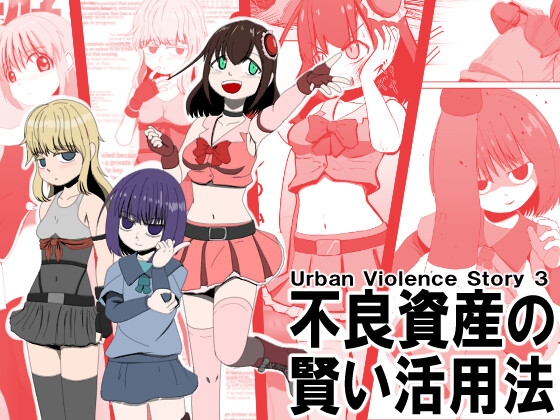
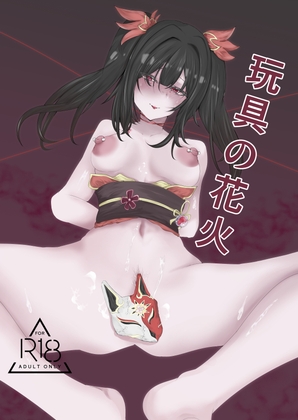
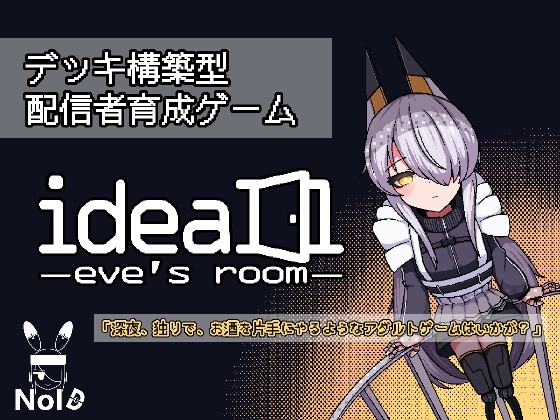
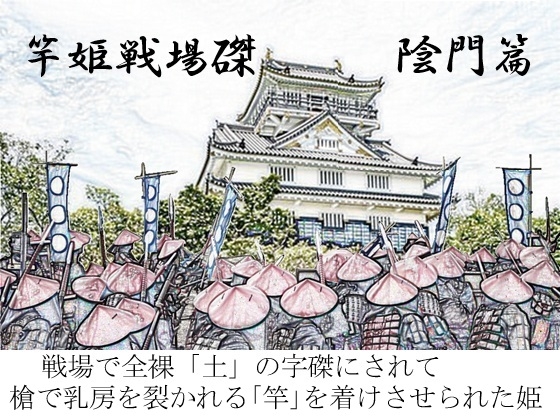

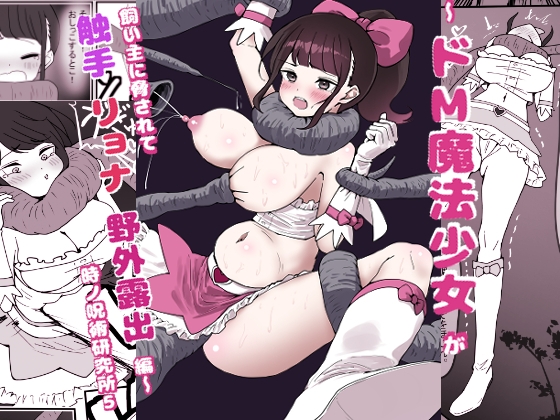

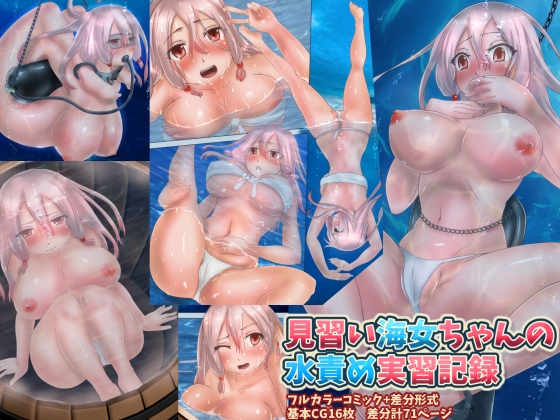
A genre name that came out of mid-1990s Japanese fighting-game fan culture, ryona describes a particular branch of fictional eroticism centred on the depiction of fictional female characters taking damage in fictional combat or defeat scenarios. Read carefully, the genre’s structural proposition is specific: the dramatic visual gap between an established strong-fighter character and that same character at the moment of their fictional collapse.
Overview
Ryona (Japanese: リョナ) is a Japanese subculture genre that depicts fictional female characters in scenarios involving fictional combat damage, capture, restraint, or defeat, with the depiction operating in a fetish register. The genre originated in 1990s Japanese fighting-game doujinshi culture and has subsequently spread across eromanga, illustration, doujin games, and adjacent media.
It is essential to read this genre as fictional throughout. Ryona depicts fictional damage to fictional characters within fictional combat and defeat scenarios. The genre operates strictly in the realm of fiction, and the relationship between fictional violence against fictional characters and the wider question of attitudes toward real-world violence is one that the field’s working community has continuously discussed within its own ethical framework. The Western guro tradition (see erogro) is the closest English-language reference point, and the common-language equivalent in English fan vocabulary is defeat fetish, with ryona the loanword that has held in international fan communities.
The genre divides — formally and in fan-cataloguing — into a soft and a hard register. Soft ryona (ソフトリョナ) handles damage at the level of costume disruption, posture loss, and vocalised distress without explicit blood or sustained injury depiction. Hard ryona (ハードリョナ) handles more graphic depiction including bleeding and sustained-damage scenes. The boundary between the two registers is a community-level convention rather than a strict definition, and individual works draw on both registers to varying degrees.
The dominant current of contemporary ryona is the fighting-game-derivative branch — fan-art and doujinshi that take a particular fighting-game’s strong-female-fighter character through a defeat-and-damage scene that is the inverse of the source material’s normal narrative. The genre also operates in original mode, with works that build their own scenarios independent of any source material, and the original-mode catalogue has expanded substantially through the 2010s and 2020s.
Etymology
The etymology of ryona is not securely established. The two principal hypotheses, both reported in fan-and-subcultural reference works, are:
The yorona inversion hypothesis, in which the term is read as a syllabic reversal of yorona — itself a coined form for “to stagger and fall, to be weakened” — with the inversion producing the bidirectional reading that has settled in the genre’s name.
The character-name hypothesis, in which the term is traced to a specific 1990s fighting-game character whose damage animations were a recurring touchstone in early fan-derived works.
Neither hypothesis has primary-source confirmation, and the etymology should be read as uncertain. What is reasonably well-established is that the term consolidated as a genre name in late-1990s Japanese internet message-board culture (2channel and adjacent platforms), and was sufficiently established by the early 2000s to operate as a stable doujinshi-cataloguing category.
Adjacent and overlapping terms — guro-ero (combining grotesque with erotic), dame-ero (damage-erotic), haiboku-kan (defeat-rape, in older usage) — circulate in the same vocabulary space, with different terms preferred by different sub-communities and for different sub-registers of the genre.
Origins
The genre’s origin in fighting-game fan culture is connected to a specific structural feature of the source genre. Through the 1990s, Japanese arcade and console fighting games — Street Fighter II, King of Fighters, Virtua Fighter, Tekken, Soulcalibur, and the wider catalogue — included substantial rosters of female fighter characters and produced a consistent visual repertoire of defeat animations: knockdown poses, costume-damage animations, distress facial expressions, dramatic falls. The combination of strong female fighter as the source-material framing and defeat moment as a recurring visual sequence supplied the genre’s source material.
Fan-derived works extracted, recombined, and elaborated on these defeat moments, building doujinshi and illustration sets around the visual gap between the character’s normal strong-fighter presentation and the defeat scene. The aesthetic logic — the dramatic gap between strength-coded surface and the fictional moment of collapse — is the genre’s structural proposition.
By the early 2000s, ryona had stabilised as an independent subcultural category with its own dedicated community spaces, doujinshi catalogue presence, and recognised practitioner artists. The 2000s and 2010s expansion of doujin games added a substantial new media format, with fighting-game-style indie titles incorporating ryona-format defeat sequences as recognised scene structures.
Content conventions
Ryona works divide along several cataloguing axes.
By source-material status: derivative works (using existing fighting-game, action-game, or magical-girl characters) versus original works (with characters built specifically for the work).
By intensity register: soft ryona versus hard ryona (described above).
By scenario type: combat damage; capture and restraint; execution scenarios; torture scenarios; magical-girl transformation-and-damage scenarios.
By media format: still illustration; doujinshi (printed comics); doujin games (often with fighting-game frame and defeat-event CGs); CG illustration sets; animated work.
The recurring structural beat across most ryona work is the gap between a character’s competent register (a strong fighter, a capable magical girl, an experienced veteran) and the defeat register (the moment when the competence fails). The genre’s aesthetic depends on the gap being substantial — a defeat scene of an unestablished character does not produce the same effect as a defeat scene of a character first set up as strong.
Ethical framework and the fictional-violence question
Ryona is a genre depicting fictional violence against fictional characters in fictional contexts. The wider question of how fictional violence and fictional sexuality relate to real-world attitudes toward each is one that the genre’s working community has continuously discussed in its own internal critical writing. The community’s working position has consistently been the standard one for fictional adult media: the fictional context is structurally different from the real-world context, the depicted characters are not real-world subjects, and the genre operates within the broader self-regulatory framework of Japanese adult subculture.
The Japanese legal frame for the genre is the same as for other adult drawn media: depictions involving minors fall outside the legal and ethical perimeter (Child Pornography Act 1999, amended 2014), depictions of recognisable real persons in similar scenarios fall outside the working norms of the field, and the standard self-regulatory mosaic-and-content-restriction conventions of Japanese adult media apply. Within the boundary that the regulatory and self-regulatory framework establishes, the genre operates as one of the more long-standing fictional sub-traditions of Japanese subculture, with a continuous community of practitioners and audiences since the late 1990s.
International circulation of ryona works has been substantial through the 2010s and 2020s, with the Japanese loanword ryona established in English-language fan vocabulary as the standard term for the same genre. The Western guro tradition (see erogro) has substantial overlap with hard ryona, while the dedicated defeat fetish English-language tradition has substantial overlap with the broader genre.
A note on the wider field
Ryona is a smaller, more specialised genre than many of the categories adjacent to it (eromanga, doujinshi, eroge), but it has a continuous community presence and a recognisable position within the wider catalogue of Japanese subcultural fiction. Its specific cultural-history interest is the way the genre crystallised from the visual conventions of an adjacent medium (fighting games) and developed its own working aesthetic around a structural proposition (the strength-defeat gap) that the source medium had not deliberately constructed.
The genre’s continued life through media-format changes — from 1990s doujinshi to 2000s and 2010s online illustration platforms to 2020s indie games — illustrates the durability of its working aesthetic and the stability of the audience for it.
Related Terms
Updated
References
- 『Erotic Comics in Japan: An Introduction to Eromanga』 Fakku Books (2021)
- 『Manga and the Representation of Japanese History』 Routledge (2013)
- 『Beautiful Fighting Girl』 University of Minnesota Press (2011) — On the bishōjo-fighter archetype that ryona builds on.
- 『オタク用語の基礎知識』 Takarajima (2014)
Also known as
- ryona art
- ryona fetish
- fictional defeat fetish
- ja: リョナ
- ja: リョナ絵