Wakarase (breaking pride through dominance)
✎ 本文編集 (admin) 🖼 画像編集 (admin)“Wakarase (breaking pride through dominance)” works on DLsite
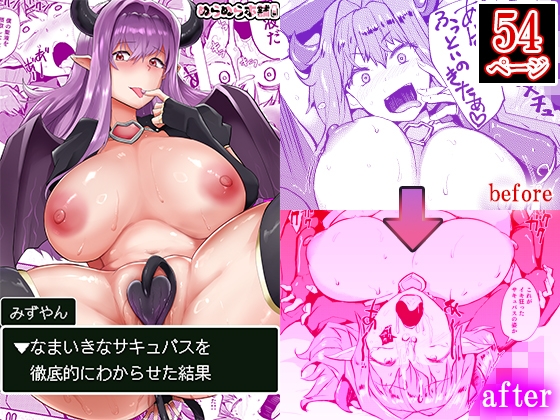

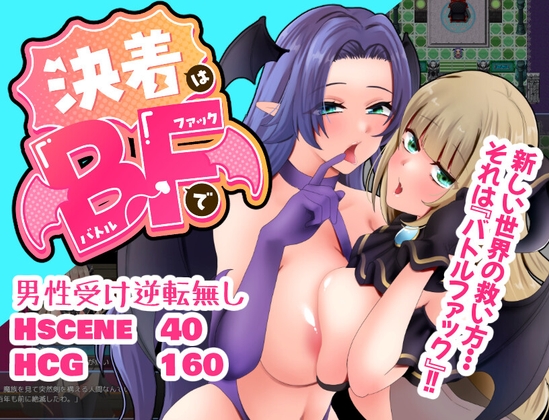
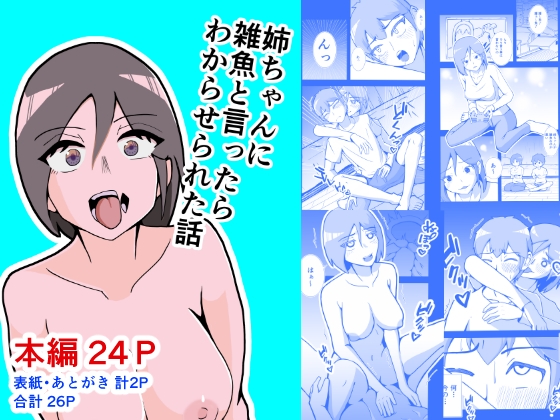
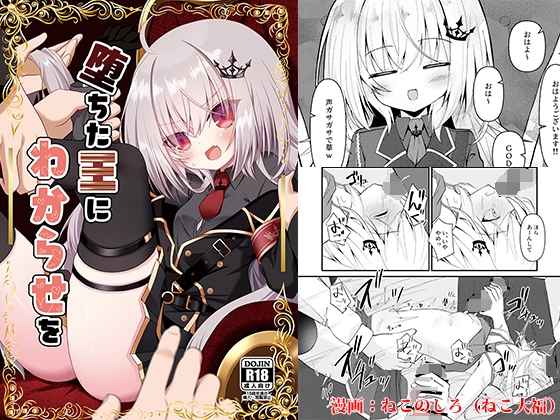
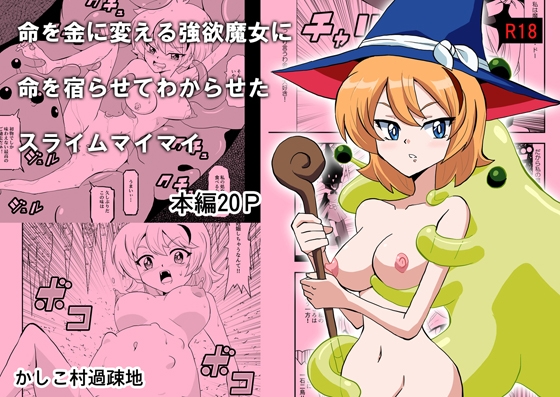
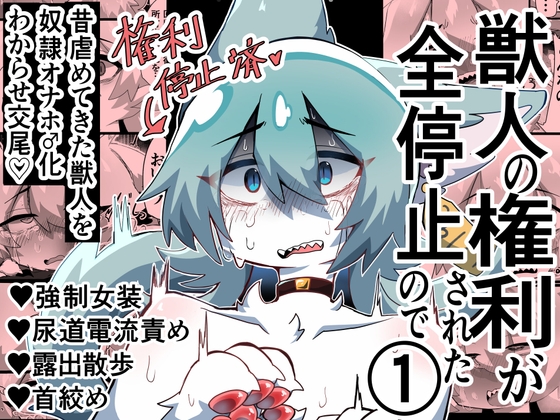
To subjugate a provoking opponent thoroughly and teach them “reality.” Slang that began as taunting in competitive fighting games had, at some point, shifted in meaning into a core genre of adult fan works. Wakarase (わからせ; also written 理解らせ) is the kink and work-genre centred on the process of subjugating an opponent who takes an arrogant attitude, pride and all, teaching the power relation and “reality” through the body. Slang circulating in the competitive-gaming sphere since the 2000s was repurposed in adult fan works from the late 2010s, becoming an established genre of doujinshi and adult manga. This article concerns fiction; it does not endorse real-world coercion or sexual violence, and all characters are presumed adult.
Overview
The structure is “the fixing of an inverted hierarchy.” At the story’s opening the target character feigns superiority, taking an arrogant, provoking, or contemptuous attitude. The protagonist-side then overturns that superiority, subjugating the target through physical and sexual domination. The story ends at the point where the target internalises the relation and abandons the initial superiority. The target types are sharply skewed: “cheeky junior,” “bratty younger one,” “haughty strong-willed girl,” “gal,” “magical girl / battle heroine.” Conversely, a character subordinate from the start is unlikely to be a wakarase target, since a “looking-down-on-you” stance is required as the starting point. In doujinshi and adult manga the works range from the mild “putting to shame” to those including intense taming and ravishment.
Etymology
Wakaraseru is a standard causative verb meaning “to bring to understanding,” with no sexual or violent connotation in itself. The doujin-genre wakarase is organised as a meaning-shift by way of competitive-gaming slang. The direct origin cited is the taunt “to make the opponent understand,” used in online competitive communities for fighting games, FPS, and MOBA from the 2000s, referring to crushing the opponent’s pride by an overwhelming display of skill difference. From the association “weak opponent = child,” the meaning expanded toward the fan-fiction situation “make a cheeky younger one learn their place.” The phonetic-borrowing wakarase circulates in English alongside contextual renderings such as “put in their place” and “mind break” (the latter leaning toward mind control).
History
In the 2000s to early 2010s, wakaraseru settled as a taunt in online competitive-gaming communities, semantically close to the general “make understand,” with thin sexual connotation. In the mid-2010s, the “wakarase” tag began circulating in adult fan works as a general name for works subjugating an original’s cheeky or haughty character, its frequency in magical-girl and battle-heroine fan fiction contributing to the genre’s outline. In the late 2010s, adult manga and doujinshi foregrounding wakarase were issued in succession, and “wakarase” came to be used as an independent tag in commercial-magazine feature titles and event genre divisions, continuing to rank high in keyword searches on doujin platforms.
Variations
The mesugaki-wakarase subjugates a provoking younger female character (legally set as adult). It begins from the provocation language (taunts such as “weakling”) and works as a narrative device in which the register collapses through sexual subjugation. Because this derivative holds a tension with child-pornography regulation, commercial distribution carefully operates explicit age-setting. The battle-heroine wakarase defeats and subjugates fighting female characters, overlapping conceptually with the defeat genre. The gal / haughty wakarase subjugates the gal, the haughty girl, or the high-caste girl who stands above in the hierarchy of contemporary Japanese society, often set against a school or modern backdrop.
Reception
At the core is the “pleasure of reversal,” reversibly toppling the superior/inferior power relation: the process by which the target’s initial social or physical superiority is dismantled through sexual domination forms the pleasure core. Where mesu-ochi emphasises the “final state” (acceptance of subordinate pleasure), wakarase emphasises the “process” (dismantling of superiority), and the two are often developed continuously within a single work, the flow wakarase to mesu-ochi being established as a template. From a gender-studies view, critical readings have been offered that the narrative structure of granting a female character superiority and then destroying it reflects readers’ reactionary feeling toward real-world gender relations; the relation of expressive form and social context remains an ongoing topic in subculture studies.
Related Terms
Updated
References
- 『Erotic Comics in Japan: An Introduction to Eromanga』 Amsterdam University Press (2021)
- 『Otaku yougo jiten: Daigenkai』 Sanseido (2023)
Also known as
- wakarase
- putting someone in their place
- humiliation-submission genre
- ja: わからせ
- ja: 理解らせ
Related
- ASMR (Autonomous Sensory Meridian Response)
- Oho-goe (Oho Voice)
- Mind Break (Hentai Tag and Narrative Type)
- Gothic Lolita
- Iribitari (Lodger Cuckolding)
- Menhera (Emotionally Unstable Archetype)
- Neko (Bottom Role)
- Tachi (active role in same-sex relationships)
- Demon Girl Moe (Akuma Chara)
- Sisters Threesome (Ane-Imouto Don)
- Bakajoshi (Airhead Girl Archetype)
- Blazer School Uniform