Mitsuyu (Excessive Wetness)
✎ 本文編集 (admin) 🖼 画像編集 (admin)“Mitsuyu (Excessive Wetness)” works on DLsite
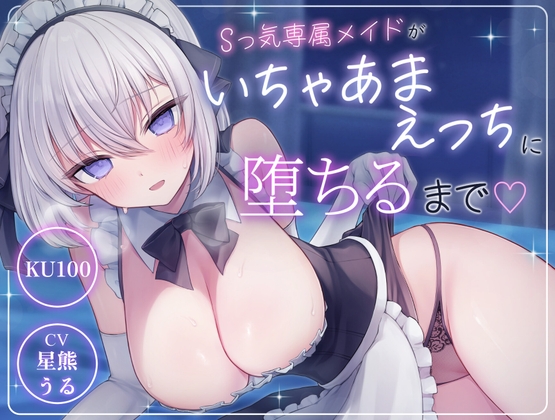
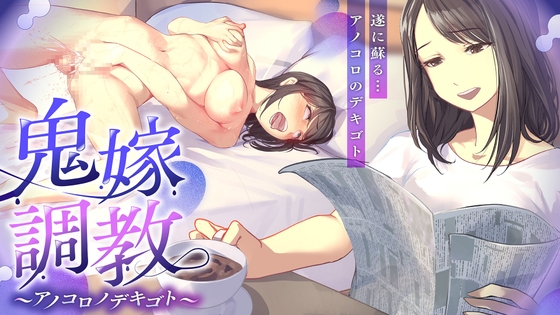
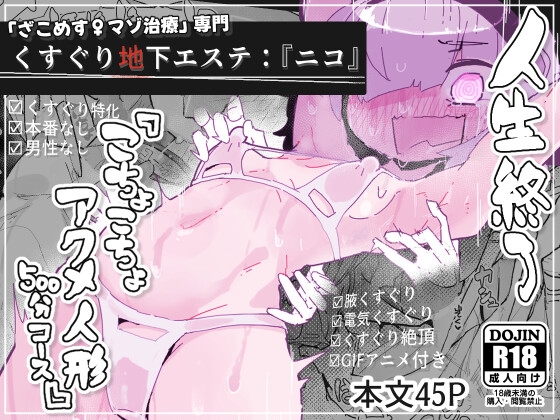
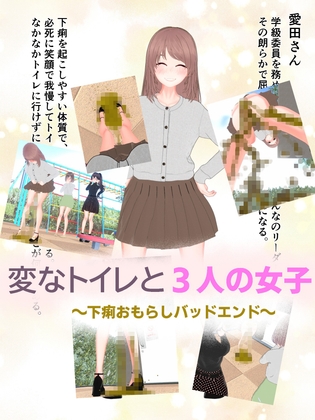
Open the page, and more than half of it is filled with white-painted fluid. Threads stretch, droplets scatter, a wet line runs down the thigh and stains the sheet. A bodily fluid that would in reality be secreted only in tiny quantity is drawn at a scale of volume and viscosity well past plausibility. Mitsuyu (Japanese: 蜜入り, “honey-filled”) is industry slang in eromanga and doujinshi for the exaggeration of fluid depiction, and the name for the taste that deliberately prefers that style.
The word’s origin is the confectionery trade’s mitsu-iri (“honey-filled”) used for fruit and sweet potato with a high-sugar, glistening cross-section. Transposed into eromanga from the late 2000s, it likens the density and volume of fluid around the genitals to the abundance of honey in fruit. Doujinshi sale catalogues and mail-order listings use tags like “extra-wet” and “dripping type” to let buyers judge a work’s style in advance. Adjacent slang includes “squirting type”, “sticky type”, and “juicy type”.
A system of visual signs
The dripping-wet style has several standard drawing conventions. First is repeated droplet rendering: granular drops scattered across the page to make the space itself read as moist. Second is the thread-line: a thin curve linking two points to express viscosity. Third is the stain as area: a spread soaking into sheet, floor, and clothing fibres, drawn in white fill, grey tone, and screentone gradation. Fourth is onomatopoeic reinforcement: sound-effect characters like bushu, guchu, necha, bicha, and nurun, heavy with voiced, plosive, and gliding sounds, placed on the page to translate auditory and tactile texture into the visual register.
Rito Kimi’s Expressive Techniques of Eromanga (2017) analyses these fluid signs systematically, tracing the shift from the restrained depiction of postwar erotic gekiga and 1980s bishoujo manga to the over-depiction of the late 1990s onward. The development of tone technique and the refinement of halftone processing raised the resolution of fluid rendering and made the dripping-wet style possible.
Why the style emerged
The consolidation of this taste depended decisively on the spread of the digital drawing environment. From the 2000s, tools such as Photoshop and CLIP STUDIO PAINT made white fill, gradation, and stepwise transparency adjustment easy, so the fine fluid expression impossible on paper became drawable. Viscosity gradation, gloss, and reflection could be implemented readily, and “the texture of honey” itself became an independent object of depiction.
In parallel, a stylistic lineage formed from commercial eromanga artists to doujin creators. A layer of artists described as “selling on fluid volume” established an aesthetic tradition within the doujin scene. At sale events, marketing that signals “wetness” from the cover image stage onward has settled in as a factor in purchase decisions.
Reception and adjacent tastes
Why does exaggerated fluid depiction become an object of taste? One reason is the principle of visibility. The physiological signs of arousal depend on the partner’s subjectivity and cannot be measured objectively; fluid volume becomes incontrovertible physical evidence that the partner is genuinely aroused, translating a subjective state into an objective quantity. A second is the orientation toward excess itself: eromanga is already an exaggerated, stylised fiction of real sex, and fluid maximisation is one chosen direction of exaggeration, in the same lineage as breast enlargement and genital enlargement. A third is the translation of touch: manga is a still-image medium and cannot represent touch directly, but the wet style, combining visual signs and onomatopoeia, reproduces tactile experiences such as “slippery” and “sticky” in the reader’s imagination.
Derived and related forms
The “squirting type” thematises female ejaculation at climax and is frequently paired with the wet style. The “bukkake type” properly thematises semen but shares the lineage of over-depicted fluid. Tentacle works tend toward inevitably large volumes of secretion, and pregnancy works exaggerate fluid volume in tandem with creampie depiction.
See also
Updated
References
- 『Eromanga Studies: An Introduction to Manga as a Pleasure Apparatus』 East Press (2006)
- 『Expressive Techniques of Eromanga』 Ohta Publishing (2017) — Genealogy of fluid depiction and its escalation in erotic manga.
- 『Manga: A Critical and Cultural History』 Bloomsbury (2010)
Also known as
- dripping wet aesthetic
- excessive body-fluid trope
- soaking wet
- ja: 蜜入り
- ja: びちゃびちゃ
Related
- Classroom-setting genre (J-adult fiction)
- Workplace Genre (Shokuba-mono)
- Debu Otoko (Fat Bastard / Ugly Bastard)
- Gangimari (Drugged-Face Expression)
- Belly bulge (hara-kobu)
- Hime-dorei (princess-slave fantasy)
- Inmon (lewd crest)
- Kichiku-zeme (intense fictional kink)
- Mesu-gao (female-aroused face)
- Netori (perspective-shifted netorare)
- Shitabakushi (tongue-out fetish)
- Ahegao