Older-woman preference (toshiue)
✎ 本文編集 (admin) 🖼 画像編集 (admin)“Older-woman preference (toshiue)” works on DLsite
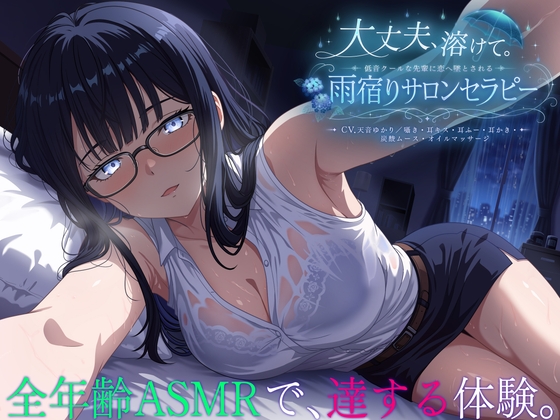
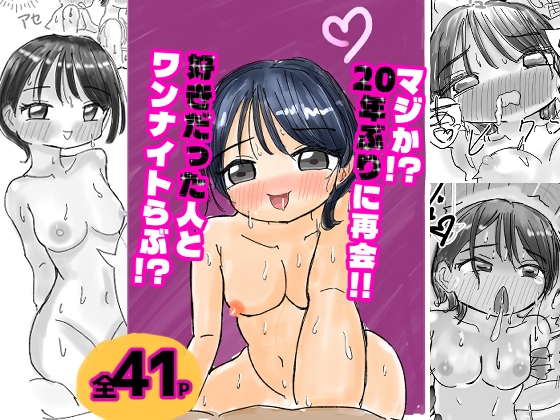
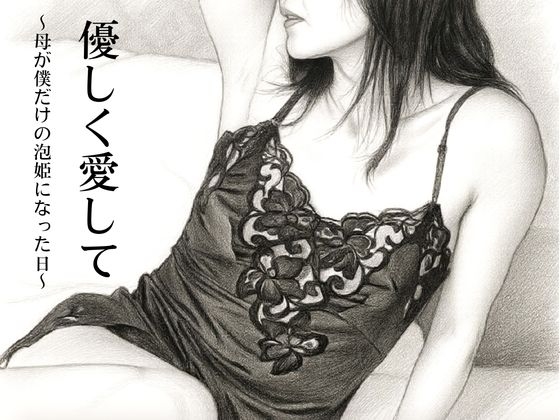
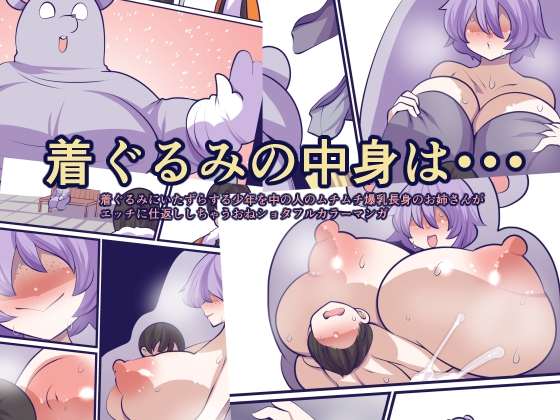
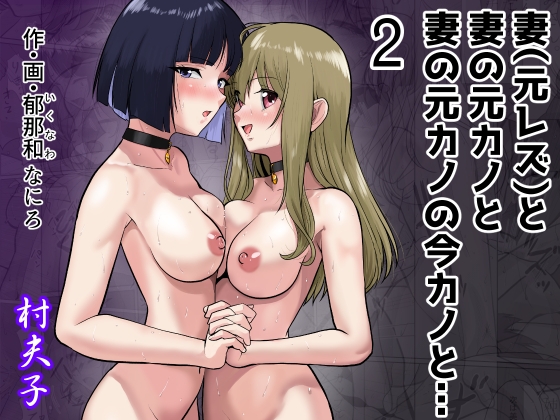
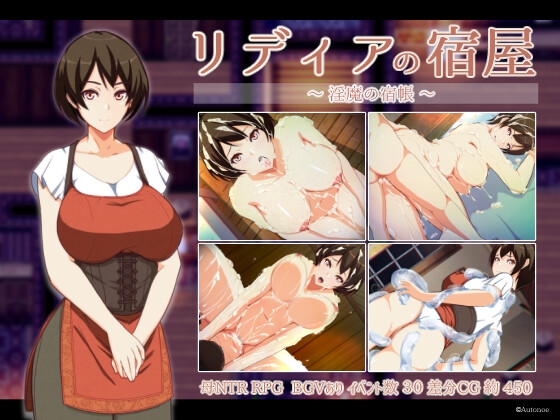
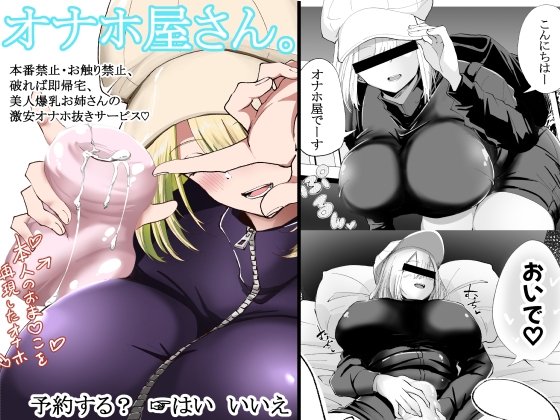
A senior at work hands a document across the desk: “Good work, help me with this,” and the distance is closer than usual. In a scene where an older woman takes the initiative, one is placed in a position permitted to delegate judgement a step. The composure backed by experience, the unwavering self-determination, the air of protection: all of it builds a reassurance distinct from that of a younger partner, and at once forms a quiet appeal in being dominated. Toshiue-kei (年上系) is the preference for female characters set older than oneself or the reader-proxy protagonist. It is an age-based attribute category covering the older-sister, married-woman, mature-woman, and senior types, centring initiative, experience, warmth, and maturity. It is one of the most basic attribute axes, paired with the younger-girl preference.
Overview
The core organises the age-gap asymmetry so the protagonist (reader-proxy) is placed on the lower, passive side. The older side is above in social and sexual experience, knowledge, and initiative, bringing a “be taught/teach,” “be protected/protect” directionality opposite to the younger-girl preference. The appeal lies in the exercise of activity and initiative grounded in the age gap: the older woman takes the lead in conversation, action, and sexual contact, and the protagonist is drawn in from a passive position. This passivity sets aside, for a time, the burden of self-determination that young men experience in daily life, functioning as the core emotional reward.
Origins
One historical premise is the Japanese concept of the anesan nyoubou, the older wife, captured in the old proverb that an older wife is worth searching for even in straw sandals, since she runs the household with experience and wisdom. A positive cultural evaluation of the older female spouse existed. Meiji and Taisho literature repeatedly featured the type of a young man toyed with by an older woman.
The full development of the attribute in postwar subculture proceeded from the 1990s in eroge, light novels, and AV. Eroge templated the placement of older heroines (homeroom teacher, shop manager, sister, tutor) as a main heroine line. In AV, “mature-woman material” became an independent genre from the late 1980s, with works centred on actresses in their late twenties and beyond mass-produced; the rise of married-woman makers in the 2000s advanced the industry ordering of the attribute.
Subtypes
The older-sister type has a relatively small gap (two to seven years older), centring care and warmth; see the older-sister attribute entry. The married-woman type targets the wedded woman, where the social position of “having a husband” rather than the age gap is the core, connecting to married-woman and netorare material. The mature-woman type centres women from the late thirties on, foregrounding the sign of “adult woman” over youth; see jukujo. The senior type is the older woman at school or work. The teacher or mentor type carries an “instructor” role, layering social-role asymmetry onto the age gap; teacher material includes taboo elements, so sexual works template post-graduation relationships or remedial-lesson pretexts. The female-doctor and nurse type combines professional expertise with the age gap.
In sexual expression
The typical staging surrenders sexual initiative to the older side: the experienced older woman introducing an innocent or reserved protagonist, the older woman actively pursuing, initiative held entirely by the older side. Affinity with chijo material is especially high; chijo characters are often set older, with age, experience, and initiative concentrated on the older side, and composite labels such as “older-sister chijo,” “married-woman chijo,” and “mature chijo” are established in AV. In eroge and eromanga, the older-heroine route frequently adopts the “reverse devirginising” pattern, in which the protagonist’s virginity is the narrative premise and the older heroine takes the role of resolving it.
Reception
The psychological core is the reassurance of surrendering initiative to the older side, setting aside for a time the pressures of self-determination and the active role in relationship-building that young men experience in daily life. Following Tamaki Saito’s argument, the older attribute works as a secularised variation of the maternal sign: directly desiring maternity itself is taboo, but projecting maternity’s structural features (protection, unconditional acceptance, care) onto socially permitted objects, the older lover, the married woman, the older sister, lets the desire for a maternal relation be satisfied indirectly. In Azuma Hiroki’s attribute terms, the older type is bundled as “age gap + experience + initiative” and built into the story’s drive; where the younger type demands the protagonist’s activity, the older type permits the protagonist’s passivity, the two forming the poles of passive and active.
Related Terms
Updated
References
- 『Beautiful Fighting Girl』 University of Minnesota Press (2011)
- 『Otaku: Japan's Database Animals』 University of Minnesota Press (2009)
Also known as
- older-woman preference
- mature-woman attraction
- oneesan-type appeal
- ja: 年上系
- ja: 年上女性
Related
- Younger-girl preference (toshishita)
- Twins Moe (Futago Moe)
- Step-Parent Theme (Giri no Oya-kei)
- Hikikomori Character Moe
- Princess Character (Hime-Kyara)
- Inkya-kei (Introverted-Character Type)
- Batou (verbal humiliation play)
- Kemonomimi (beast-ear character)
- M-otoko (submissive male, Japanese context)
- M-onna (submissive female, Japanese context)
- Kemono
- Twintails